



Boating Etiquette
Every harbor runs on rules nobody hands you in writing. Reading them is the difference between being welcomed at the dock and being remembered for the wrong reason. A field guide to the customary code of the water.
Boating culture, like every culture worth belonging to, has a layer of rules that never appear in any manual. They are learned by watching the experienced boats, by listening at the dock, and occasionally by getting them wrong in front of an audience that will not soon forget the mistake. This is the layer that distinguishes the boater the marina trusts from the one the marina endures. It is also, in ways that surface only when reviewed in numbers, a question of safety.
The American boating community runs on a shared inheritance of small habits: the brief wave between passing vessels, the deliberate slow-down before a crowded anchorage, the readiness to catch a stranger's dock line at the slip. None of these gestures is required by federal law. All of them, taken together, are what keeps the waterway from becoming a parking lot of irritated strangers. The unwritten code is, in the end, the operating system of recreational boating in this country, and the boats that move through it well are the ones whose owners learned to read it.
The case for taking the code seriously is not only social. The U.S. Coast Guard's 2024 Recreational Boating Statistics, the most recent annual report, recorded 3,887 boating incidents nationwide, with 556 fatalities and 2,170 nonfatal injuries. The top five primary contributing factors listed by the Coast Guard were operator inattention, improper lookout, operator inexperience, machinery failure, and violation of navigation rules. Three of those five are not mechanical problems. They are etiquette problems. The boater who tracks his own wake, who keeps a real lookout, and who knows the rules of the road well enough to apply them without thinking is, by the Coast Guard's own data, materially less likely to be involved in an incident at all.
A second observation belongs at the start. The water is more crowded than it was a generation ago, and it is crowded in ways the previous generation did not anticipate. Recreational power vessels share the same channels and anchorages with sailboats, paddleboards, kayaks, swimmers, anglers, charter operations, and an increasing number of human-powered craft whose operators may be on the water for the first time. The traditional courtesies, written for a smaller and more homogeneous fleet, now apply to a community whose members do not all share the same vocabulary. Reading the code well, in 2026, includes reading the people on the water who do not yet know it.
The customary code of the water
Three principles underlie everything else in this guide, and an owner who internalizes them will rarely have to consult the specific rules that follow. The first is that boaters help boaters. The boating community has always been, and still is, a group whose members stop for each other. A line tossed to a struggling docker, an offered hand on a fuel dock, a radio call on someone else's behalf, an experienced suggestion offered without being asked: these are not occasional acts of kindness. They are the operating expectation. The captain who turns away from another boat in difficulty has not just failed a stranger; he has placed himself outside the community whose welcome he depends on the next time it is his turn to need help.
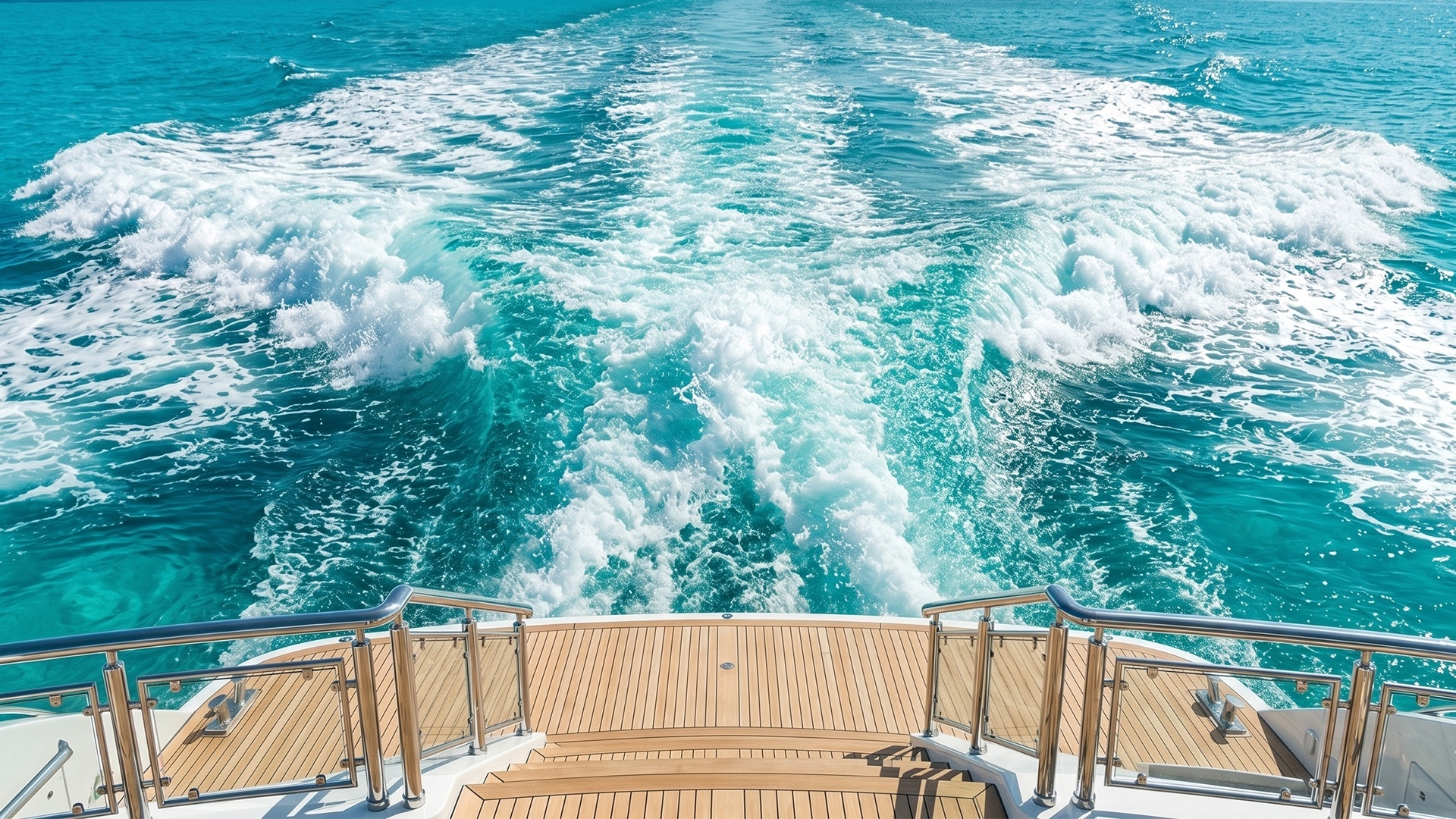
The second principle is ownership of the wake. Every powered vessel produces a wake; the question is whose problem it becomes. A wake that is harmless to a forty-foot motor yacht can capsize a kayak, slam a paddleboarder into the water, or do real damage to an anchored sailboat with insufficient rode. The wake travels long after the boat that produced it is out of sight, and the responsibility travels with it. Owning the wake means understanding what the hull is leaving behind at every speed, in every condition, near every other user of the water, and adjusting accordingly. It is the single piece of etiquette most likely to be cited in a complaint and most easily corrected.
Three of the top five contributing factors in U.S. recreational boating incidents, per the 2024 Coast Guard report, are operator inattention, improper lookout, and violation of navigation rules. Each one is, at its core, an etiquette failure with measurable consequences.
The third principle is the wave. A small, deliberate hand raised toward a passing boat is the gesture by which the boating community recognizes itself. It costs nothing, takes a second, and silently communicates everything the unwritten code is built on: I see you, we belong to the same community, our paths cross peacefully. It is the same gesture that small-town drivers exchange on rural roads. On the water it is older, and it survives because it remains useful. The boater who returns the wave is read instantly as someone who knows where they are. The one who does not is read with the corresponding caution.
Own your wake
The wake is the part of the boat that travels furthest from it. It outlives the moment of passage, crosses water the operator never sees, and arrives at other boats and other shorelines as a consequence the operator no longer feels. Owning the wake means taking responsibility for a force that is, by the time it does damage, completely beyond the operator's control. The only meaningful place to manage it is at the throttle, before the wake leaves the hull.
U.S. boating regulations codify part of this responsibility in the form of slow-no-wake zones, areas of restricted speed where the operator must reduce throttle to the minimum necessary to maintain steerage. The exact distance varies by state. Florida, Hawaii, and New Jersey define the restriction at 200 feet from shorelines, docks, anchored vessels, and swimmers. Wisconsin and Michigan apply 100 feet in many waters. A general working number that satisfies most jurisdictions and most situations is 200 feet, and the boater who treats that figure as the personal default rarely gets it wrong.
Beyond the regulated distance, the principle still applies. A wake that is acceptable in open water is unacceptable inside a crowded anchorage, near a kayaker, alongside a sailboat moored short, or in proximity to an angler with a line in the water. The operator who reads the surroundings before settling on a speed, rather than after, is the one who never has to explain himself. Damage caused by a vessel's wake remains the operator's responsibility under federal navigation rules and most state codes, regardless of whether the operator believed the wake to be acceptable. The conservative reading of the rule is always the safer one.
Sound carries the same way water does, and the same logic applies. Music that is reasonable on the foredeck of a forty-foot motor yacht reaches three anchored vessels and a kayaker before it loses meaningful volume; the human ear processes water-borne and air-over-water sound with surprising efficiency. The operator who plays music below conversational volume, who shuts down a generator at night, and who keeps voices down after dark is read, again, as someone who knows where he is. The one who does not becomes the story everyone at the anchorage tells when they get home.
Right of way, plainly
The U.S. Inland Navigation Rules, the federal regulations governing how vessels interact in U.S. waters, are detailed and worth reading in full. The fraction of them that resolves the great majority of recreational encounters fits comfortably into four scenarios, and an operator who absorbs those four moves through crowded waterways without having to think about each interaction individually. The Rules are also unambiguous on a point that recreational boaters frequently misread: having the right of way is not a license to maintain course. Rule 2, the responsibility rule, requires every operator to take whatever action is necessary to avoid a collision, regardless of which vessel has the formal privilege. The right of way is a presumption, not a guarantee.
The first scenario is the head-on meeting. Two power-driven vessels approaching each other from directly ahead, or nearly so, pass port to port. Each turns to starboard. The rule is identical to the rule for cars on a two-lane road, and the symmetry is intentional: no negotiation, no signal exchange in the simplest case, no ambiguity about who turns which way. Both vessels turn right, and the encounter resolves itself.
The second is the crossing situation. Two power-driven vessels approaching each other from converging courses, neither head-on nor overtaking, are governed by the position of one relative to the other. The vessel that has the other on her starboard side is the give-way vessel and alters course or speed to keep clear. The vessel on the privileged side is the stand-on vessel and holds course and speed so the give-way operator can read her intention. A useful shorthand: if the other boat is on your right, she is the stand-on vessel, and you adjust.
The third is overtaking. Any vessel approaching another from behind, defined by the Rules as approaching from a direction more than 22.5 degrees abaft her beam, is the give-way vessel regardless of vessel type. The vessel being overtaken is the stand-on vessel and maintains course and speed. This is the most overlooked scenario because it overrides the otherwise common assumption that sail has priority over power. A sailboat overtaking a powerboat from astern gives way to the powerboat. The privilege of the overtaken vessel is absolute.
The fourth scenario, and the one whose importance has grown most in recent years, is vessels under oars. Kayaks, canoes, paddleboards, and other human-powered craft are vessels under the Navigation Rules, and the recreational fleet now includes large numbers of them. The Rules do not assign specific privilege to vessels under oars in head-on or crossing situations, but Rule 2 and the general standard of seamanship make the practical answer obvious: a power-driven vessel encountering a human-powered craft takes early and decisive action to pass at a safe distance, manages its wake aggressively, and assumes the paddler may not yet be familiar with the formal rules at all. The operator's professional judgment, not the literal privilege, is the working standard in these encounters.
Four encounters cover almost every recreational meeting on the water.
I
Head-on
Port to port
Two power vessels approaching from directly ahead. Both turn to starboard and pass port side to port side. Same rule as two cars meeting on a road.
II
Crossing
Right has the right
The vessel that has the other on her starboard side gives way. The other holds course and speed. If the other boat is on your right, she is privileged.
III
Overtaking
The boat in front stands on
Any vessel approaching from more than 22.5 degrees abaft the beam is overtaking and gives way. Applies to sail overtaking power and any other combination.
IV
Vessels under oars
Judgment over privilege
Kayaks, canoes, and paddleboards are vessels under the Rules. Power-driven vessels take early action to pass wide, manage the wake, and never assume the paddler knows the formal rules.
“
Having the right of way is not a license to maintain course. Rule 2 requires every operator to take whatever action is necessary to avoid a collision.
Field Note · USA Onboard Editorial
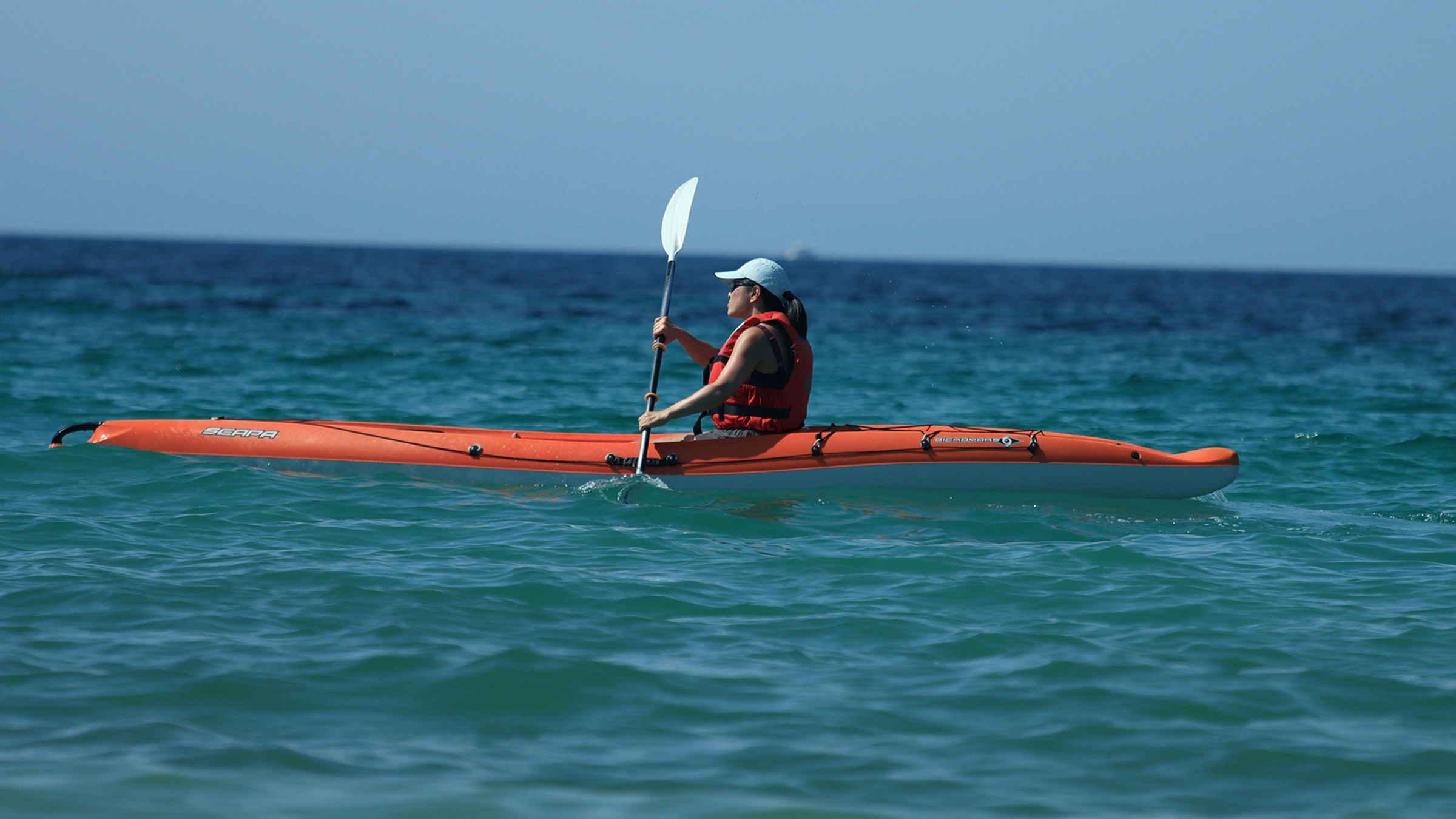
The new majority on the water Human-powered craft now share every channel and anchorage with recreational power vessels. The unwritten code now includes reading the people who do not yet know it.
A small but useful habit, particularly in crowded harbors, is to aim for the stern of any vessel you intend to pass behind. The maneuver is visible to the other operator, communicates intention without a radio call, and removes the ambiguity that turns most close calls into incidents. The same operator may sometimes use a brief VHF call to say "taking your stern," a courtesy that has survived from a time when most recreational vessels carried a working radio and most operators monitored it. The radio practice is less universal than it was; the visual one remains the foundation.
At night, the navigation lights themselves become the primary cue for right of way. A red side light visible on another vessel means you are looking at her port side, and she has the right of way; the convention is the same as a traffic light. A green side light means you are seeing her starboard side, and you are the privileged vessel. A white stern light means you are overtaking, and the vessel ahead is privileged regardless of type. Five short blasts on a horn, day or night, is the international signal for danger or doubt, and any operator who hears it should reduce speed and reassess immediately. The signals exist because the alternatives, hand gestures and shouted instructions, do not work over the distances at which most close calls develop.
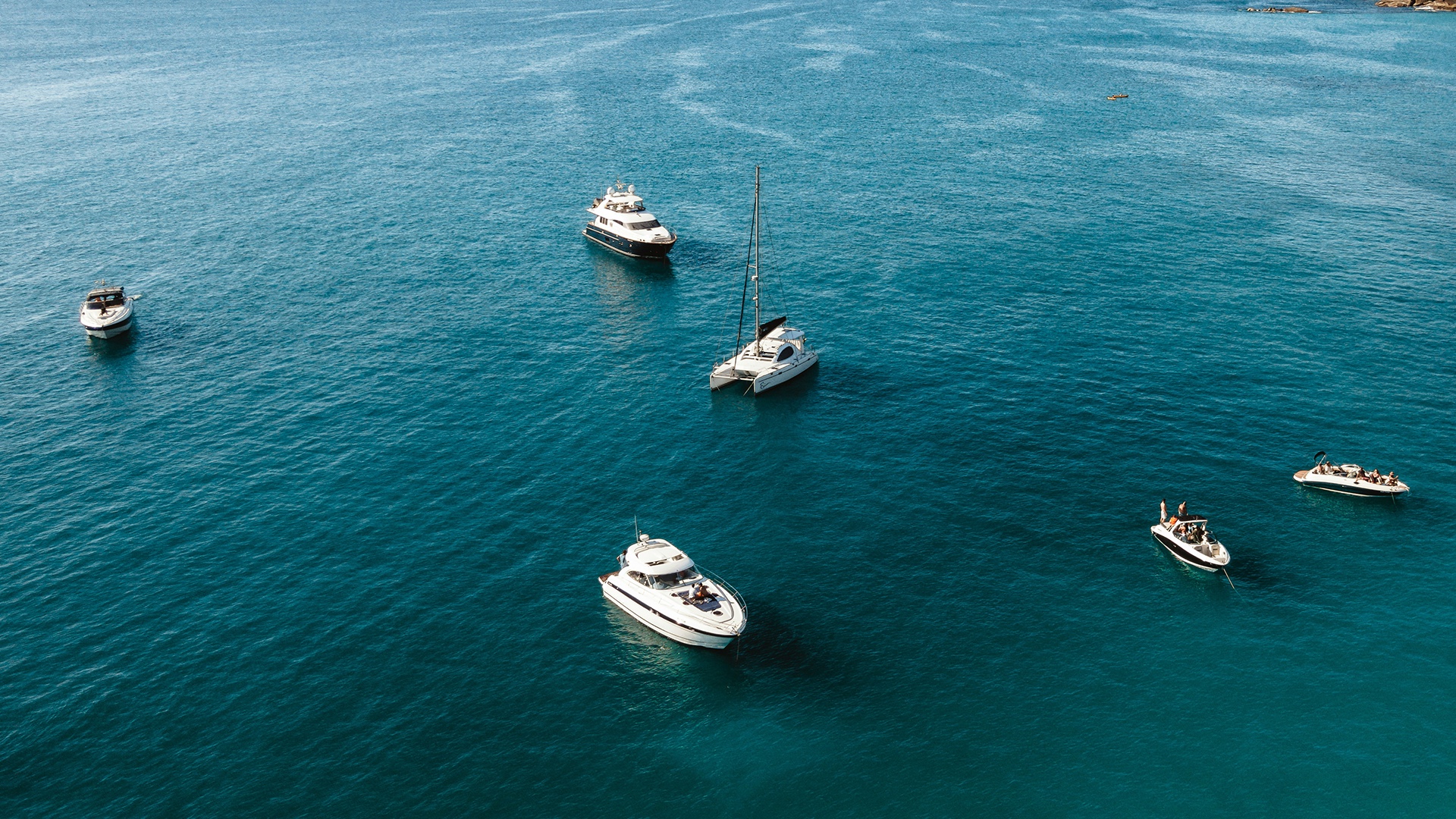
The dock is a shared space
The shoreline portion of boating etiquette begins before the boat enters the water. The boat ramp is not a parking area, not a staging zone, and not a social space; it is a piece of shared infrastructure with a queue behind it and a limited number of hours of useful daylight ahead of it. The operator who arrives at the ramp with the trailer straps still on the boat, the plug still in the truck, and the cooler still to be loaded is occupying the ramp at the expense of every other boater behind him. The preparation belongs in the parking lot, not on the launch.
The same logic applies at the fuel dock. A fuel dock is a transaction point and a chokepoint: vessels arrive, take on fuel, pay, and leave. The boats waiting behind cannot fuel until the boat in front clears the dock. Lingering at the fuel dock to load groceries, settle the kids, or update navigation systems is the single most common point of friction in any busy marina, and the operator who reads the situation correctly relocates to a slip or a nearby anchorage for everything that is not refueling. A second point at the fuel dock, often overlooked: gasoline-powered vessels run their engine room blowers for the manufacturer-recommended interval before starting the engine, and that recommendation, typically four minutes, is in the operator's manual for a reason. A spark in a vapor-rich bilge has cost lives, and the etiquette of doing the right thing at the fuel dock is identical to the safety practice of doing the right thing at the fuel dock.
Inside the marina, the courtesies are smaller and more numerous. Carts borrowed for unloading are returned to the cart corral, not abandoned at the slip. Lines and hoses are coiled and stowed on the dock so other boaters do not trip on them. Swimming from the slip is, in nearly every marina, prohibited for reasons of stray current and engine intake; the rule is stricter than the social courtesy and carries real safety weight. An offered hand on someone else's bow line is read as the welcome it is, and the same gesture extended in the other direction is what builds the standing the boat will draw on the next time the wind blows wrong. Fenders are hung when the boat is at the dock and pulled aboard immediately when the boat leaves it. A boat underway with fenders down communicates inexperience louder than any other single visual cue at sea.
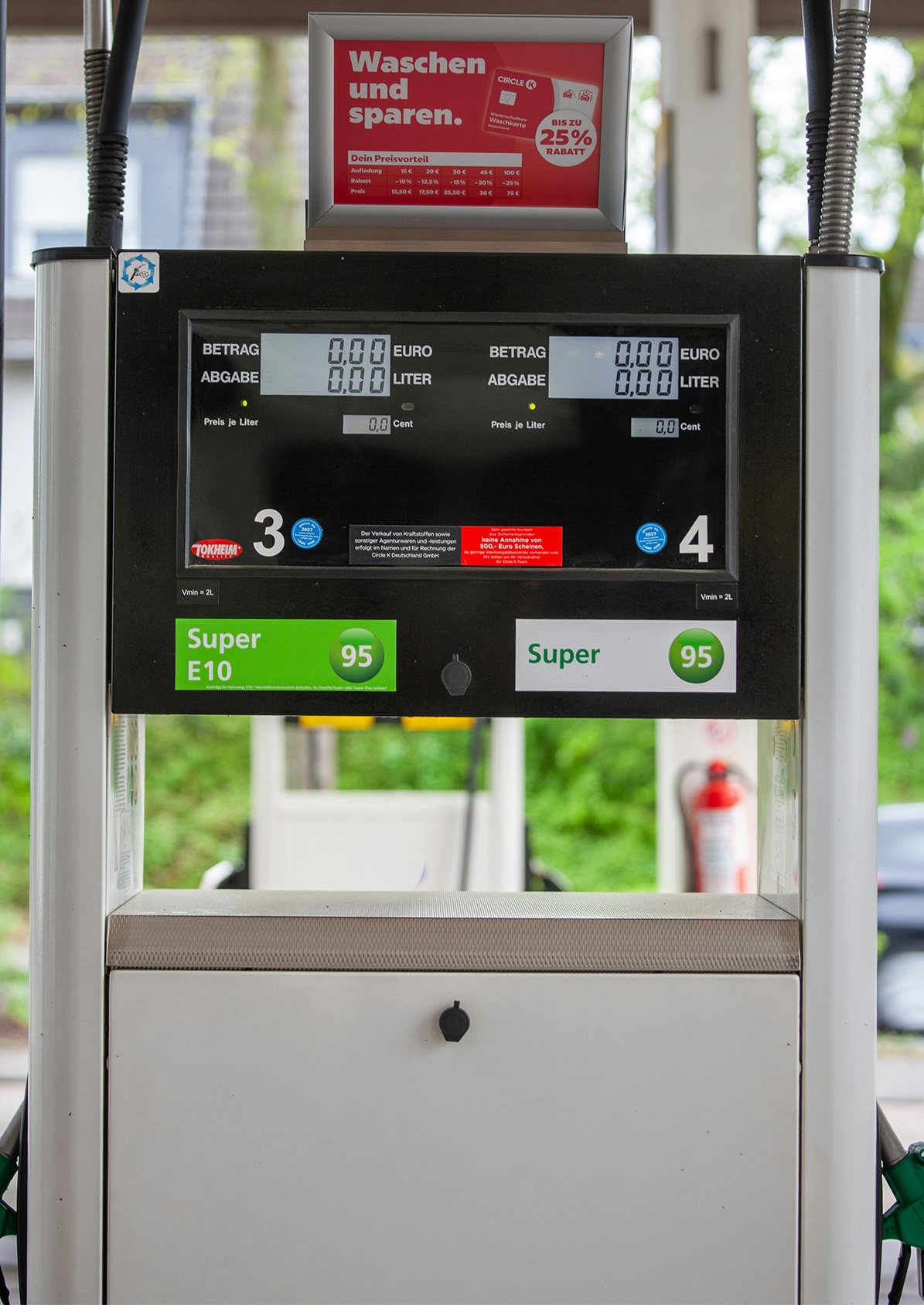
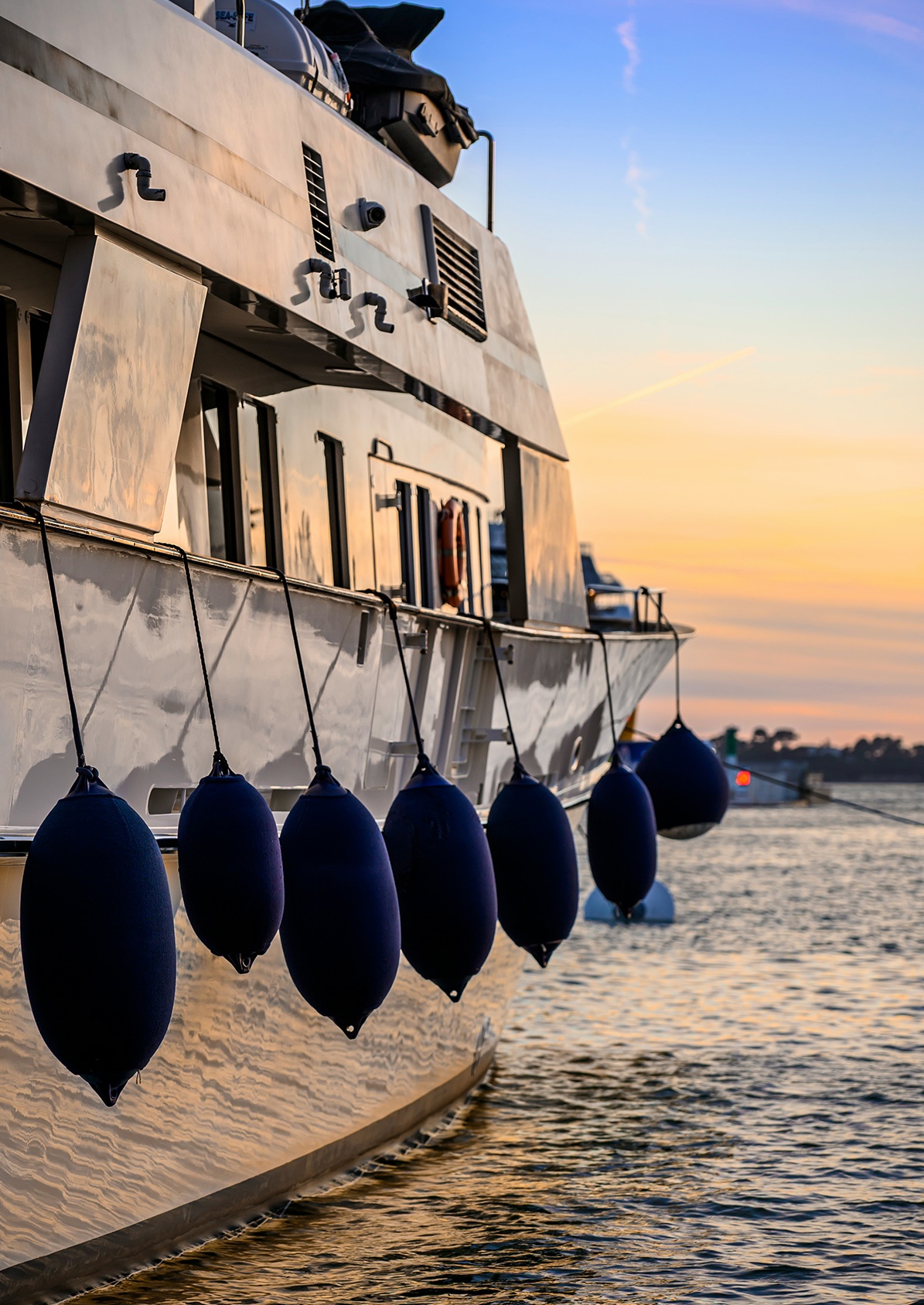
Four predictable choke points. The reputation of the boat is built or lost at each one.
I
The ramp
Prep in the lot, launch in the water
Trailer straps, drain plug, gear, and fueling happen in the parking area. The ramp is occupied only for the seconds it takes to put the boat in the water. Every minute of delay costs another boater the same minute.
II
Fuel dock
Fuel, pay, leave
Refueling only. Snacks, supplies, and conversations happen elsewhere. Gasoline engines: run the engine room blower for the manufacturer-recommended interval before starting. The rule is safety, not preference.
III
Marina slip
Quiet, tidy, helpful
Lines coiled, carts returned, fenders correctly placed. Swimming from the slip is prohibited. Offer a hand on someone else's bow line; accept the one offered to you.
IV
The anchorage
The first boat sets the tone
Enter at minimum speed. Anchor with sufficient swing room for every neighbor at every wind direction. Mimic the rode angle and spacing of the boats already there. The crowded anchorage rewards modesty.
The anchorage and the way home
The anchorage is the part of the boating day where the code is least enforced and most visible. There are no rangers patrolling the holding ground, no harbor master assigning swing radii, and no rules that prevent an unlucky combination of wind and rode from putting a boat into a neighbor's gelcoat at three in the morning. The system that prevents that outcome is etiquette, and the operator who reads the existing anchorage correctly before setting his own hook is the one who avoids being the cause of the night's drama.
The first boat in the anchorage sets the standard. The angle of her rode, the amount of scope deployed, and the spacing she expects between herself and the boats that arrive after her are the working norm for everyone else. A boat that arrives later and drops anchor across a neighbor's swing radius, or that deploys a sharply different amount of rode, has imposed an asymmetric problem on the neighbors. Wind direction will change during the night; the rode will reset; the boats will swing. The conservative anchoring practice is to give every neighbor more room than seems necessary in calm conditions, on the working assumption that conditions will not stay calm.
Once anchored, the boat is part of the anchorage rather than a vessel passing through it. The generator becomes a noise source for every other boat at the holding ground, and the operator who runs it through the night is the conversation at every breakfast table the next morning. Outboard tenders, used to reach the shore, produce wake and noise out of proportion to their size; rowing in is the older practice and the better one when the distance allows. Music and voices carry the same way over a still anchorage as they do at any other moment on the water, and the rule of conversational volume becomes a default. Lights, similarly: a properly anchored boat displays a single white anchor light at night, visible 360 degrees, and the bright deck lighting that some operators favor turns the anchorage into a stadium and reads exactly that way to the boats around them.
The departure is the final test of the visit. The fundamental rule of anchorages, marinas, and shorelines alike is pack in, pack out: every piece of trash, fishing line, and food waste that came aboard leaves with the boat. The American shoreline is still littered with debris that boaters tossed overboard on the working assumption that no one was looking, and the working assumption has always been wrong. The boat that leaves the anchorage cleaner than she found it has, in a small and accumulated way, defended the place she enjoyed using. The boater who behaves this way will be welcomed back. The one who does not, increasingly, will not.
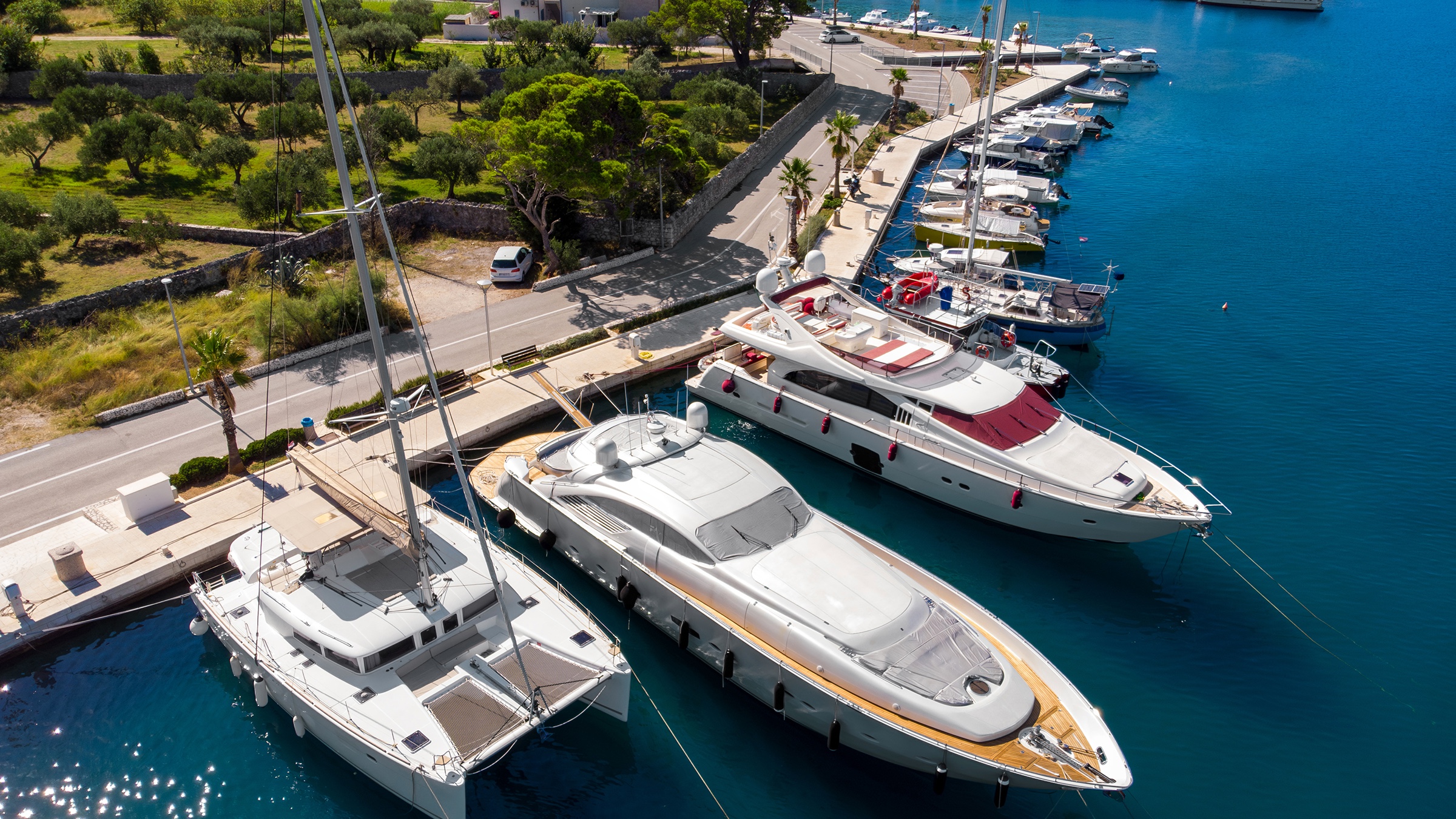
The marina from above Spacing, alignment, and silence in working order. The product of a code that nobody hands you in writing and almost everyone agrees to follow.
Two short lists worth keeping at hand.
On the water · Do
- Own the wake at every speed. Treat 200 feet from shore, docks, anchored vessels, and swimmers as the personal default unless local rules require less.
- Read the right of way scenario as soon as you see the other vessel. Head-on: port to port. Crossing: right has the right. Overtaking: the boat in front stands on. Vessels under oars: pass wide, manage the wake.
- Apply Rule 2: take whatever action is needed to avoid a collision, regardless of which vessel formally has the right of way.
- Prepare the boat in the parking lot, not on the ramp. Fuel, pay, and leave. Run the blower before starting at the fuel dock.
- Enter every anchorage and marina at minimum speed. Pull fenders the moment you leave the dock. Return the cart you borrowed.
On the water · Don't
- Run a wake through a crowded anchorage, past a moored sailboat, or in proximity to a kayaker. The wake is the operator's responsibility wherever it goes.
- Treat the right of way as a license to maintain course. Rule 2 makes every operator responsible for avoiding the collision.
- Linger at the fuel dock for anything other than fueling. The boats behind you cannot move until you do.
- Run a generator overnight in an anchorage. Light up the boat with deck lighting in a quiet harbor. Play music at volume that crosses three hulls.
- Throw anything overboard. The American shoreline already carries the receipts.
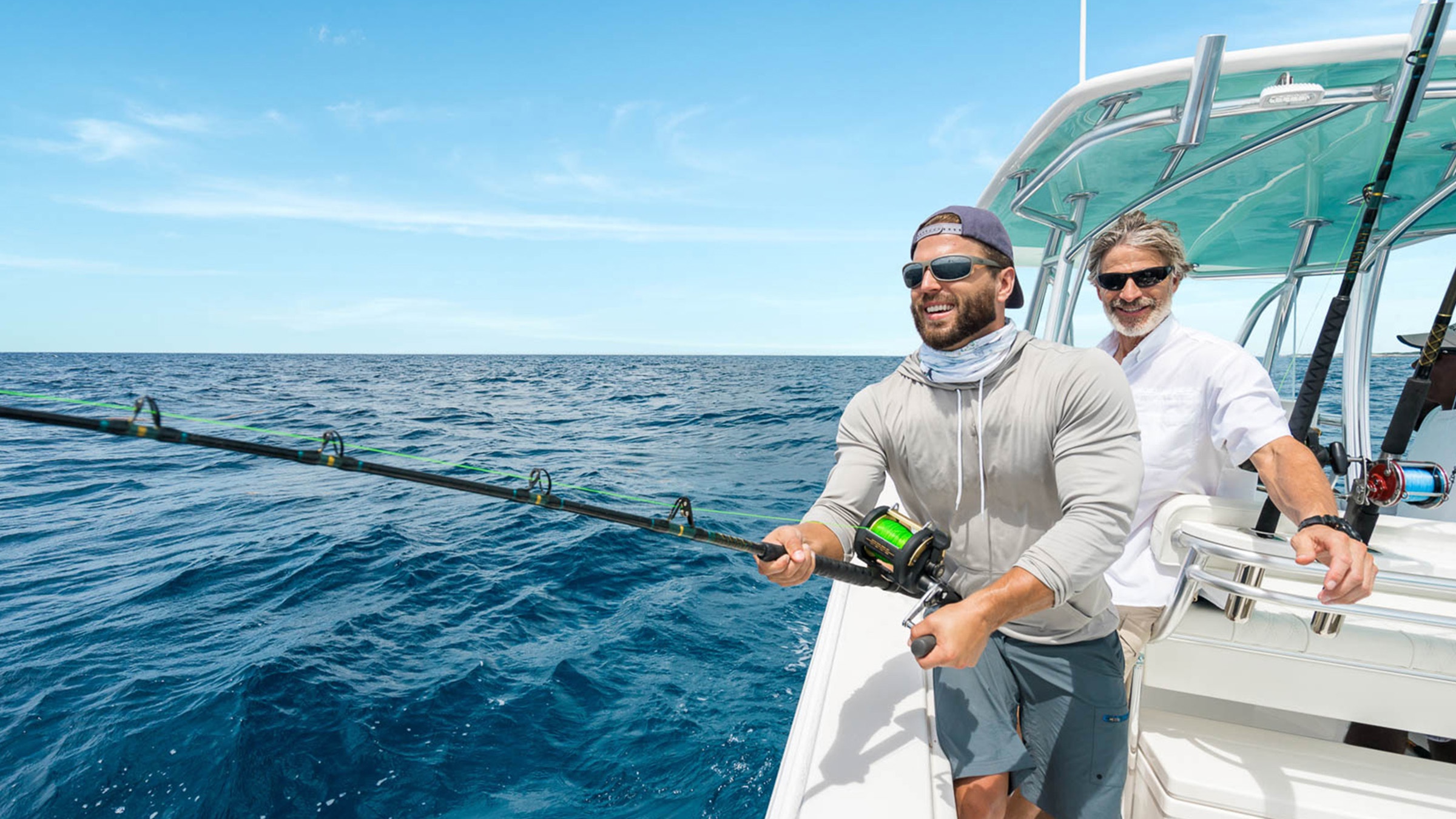
Boating etiquette is the operating system of the recreational fleet, and it survives because the alternative is unworkable. The water belongs to everyone who uses it, and the boats that move through it well are the ones whose operators have made small habits of behavior that take seconds to perform and quietly hold the whole community together. The wave to a passing boat. The slowdown before the anchorage. The line caught at someone else's slip. The trash bag carried home. None of these is required by any statute. All of them are the difference between a fleet that works and one that does not. The unwritten code is, in the end, the most important one written into the day.
USA Onboard Editorial