

The Great Loop,
Read in Legs
Six thousand miles around the eastern third of a continent, taken the only way it makes sense: one leg at a time, each with its own water, its own light, and its own reason to slow down.
There is a way to think about the Great Loop that has nothing to do with finishing it. Read as a single feat, the route is intimidating, a continuous circuit of rivers, canals, sheltered sounds and open coast that traces the eastern edge of North America. Read as a sequence of legs, it becomes something else entirely: a library of distinct passages, any one of which is a season well spent.
The full circuit runs roughly six thousand miles and touches some fifteen states and Canadian provinces. Most who complete it take between nine and twelve months, moving on average around fifty miles on the days they travel, and traveling perhaps one day in three. Those numbers are worth stating plainly, because they dismantle the myth of the Loop as an endurance test. It is, at the pace most people keep, a long unhurried wander with the throttle eased back.
For a boat kept in Florida or along the southeast, the natural overture is the Atlantic Intracoastal Waterway, the protected inside route that runs from Miami north behind the barrier islands. Loopers traditionally turn counter-clockwise to travel with the prevailing current and weather, riding the ICW north in spring, crossing the Great Lakes in summer, descending the inland rivers in autumn, and crossing the Gulf back toward Florida in winter. The seasons set the rhythm. The water does the rest.
What follows is not a mile-by-mile log. It is the Loop broken into the legs that give it character, the stretches a thoughtful owner plans a cruise around, rather than simply transits. Each has a distinct personality, a distinct set of stops worth the dock fee, and a distinct argument for going slowly.
The route, gathered into a single view
The inside route, where the Loop begins
For most boats based in the southeast, the Loop opens on the Atlantic Intracoastal Waterway, the channel that runs behind the barrier islands from Florida north toward the Chesapeake. It is the gentlest possible introduction to long-distance cruising: protected water nearly the whole way, a marina or anchorage every few hours, and the open Atlantic kept at arm's length behind a thin ribbon of sand. You can travel the ICW for days and never lose sight of land, a quality experienced ocean sailors sometimes underrate and Loopers come to love.
The spring run north has a settled logic to it. Charleston and Beaufort reward a layover for their own sake, not merely as fuel stops. Georgia's marsh country, with its vast tidal flats and shifting light, is some of the most underrated scenery on the entire circuit. The discipline of the ICW is patience: shoaling, bridge schedules and tidal currents set the pace, and the boats that enjoy it are the ones that stop fighting the timetable and let the day arrive when it arrives.
Open water, and the turn inland
North of Norfolk the character changes. The Chesapeake Bay opens the cruising ground wide, a vast estuary of creeks, anchorages and historic ports where a boat can spend a month and feel it has only sampled the place. From there the route turns up the New Jersey coast and into New York Harbor, where the Hudson carries you north past the Palisades and into a landscape that feels nothing like the coast you left. This is the leg where the Loop stops being a coastal cruise and commits to crossing a continent by its inland waters.
At Troy the masts come down. Sailboats step their rigs for the canal systems ahead, and the fleet threads the Erie Canal or the Champlain toward the Great Lakes and Canada. The transition is abrupt and memorable: salt to fresh, tide to lock, open horizon to wooded bank. It is the single clearest dividing line on the whole circuit, and the moment most Loopers point to when they describe the trip changing under them.
One route, read in changing water
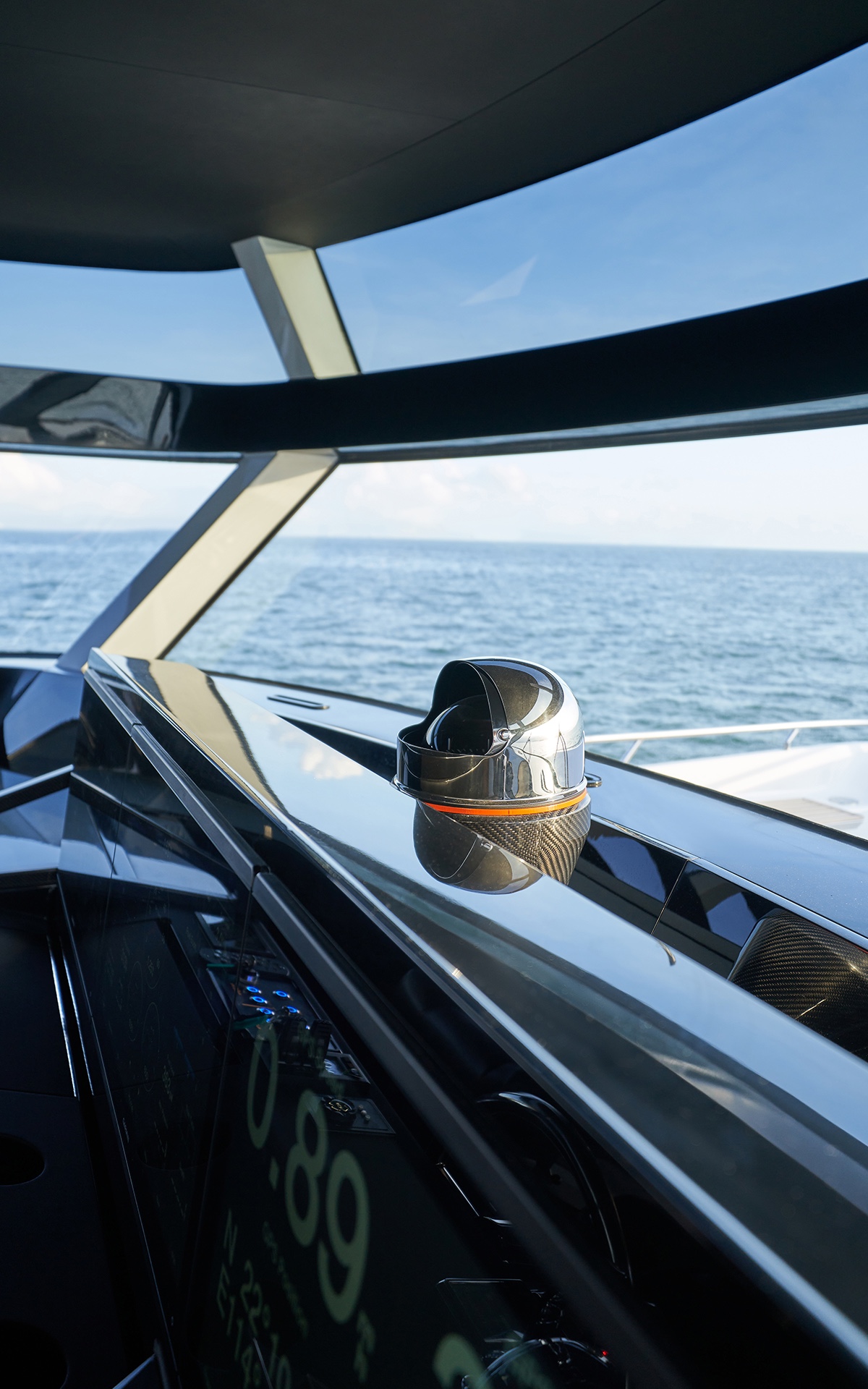 At the helm · Holding course
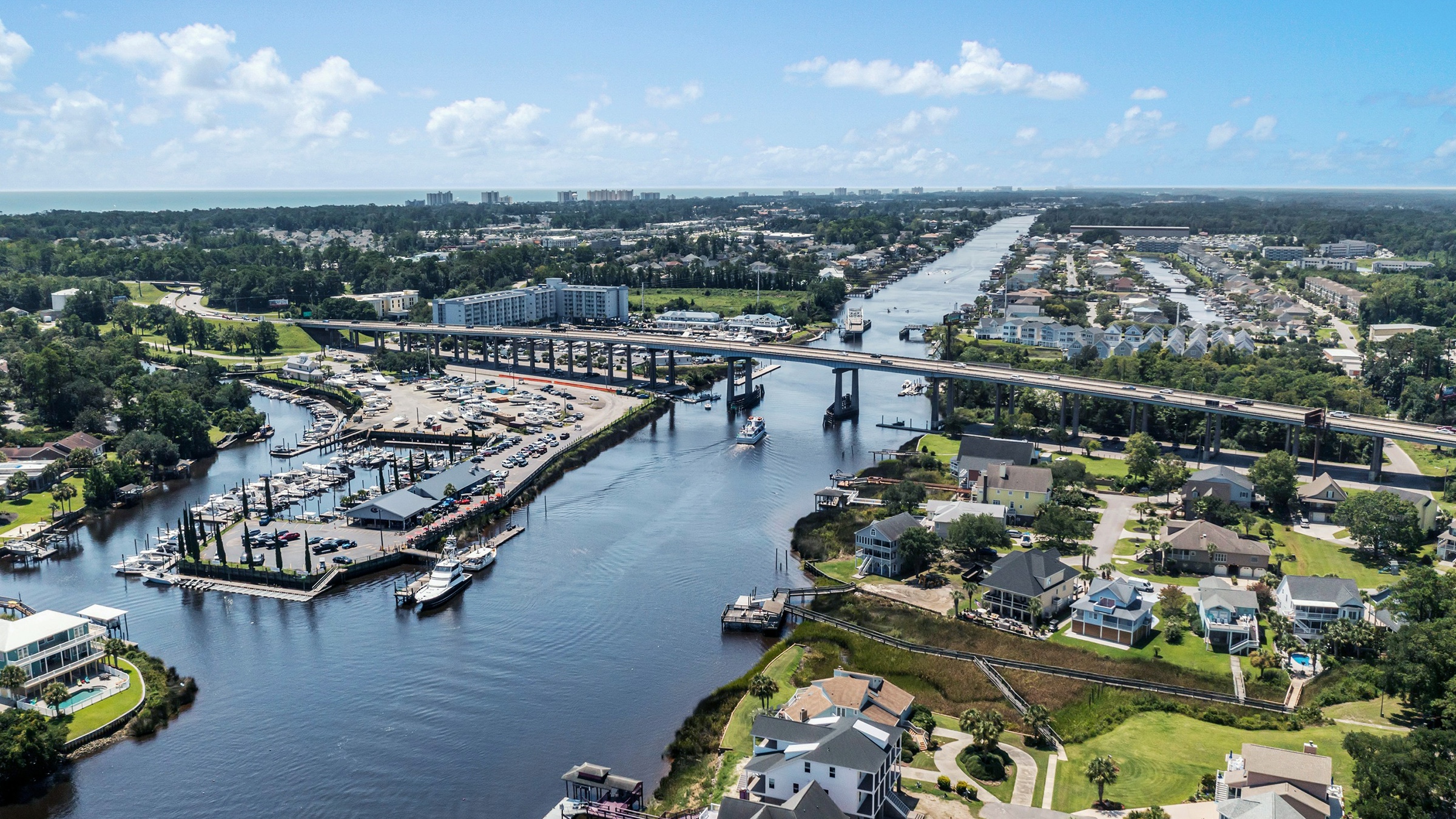 Intracoastal · Marina & bridge
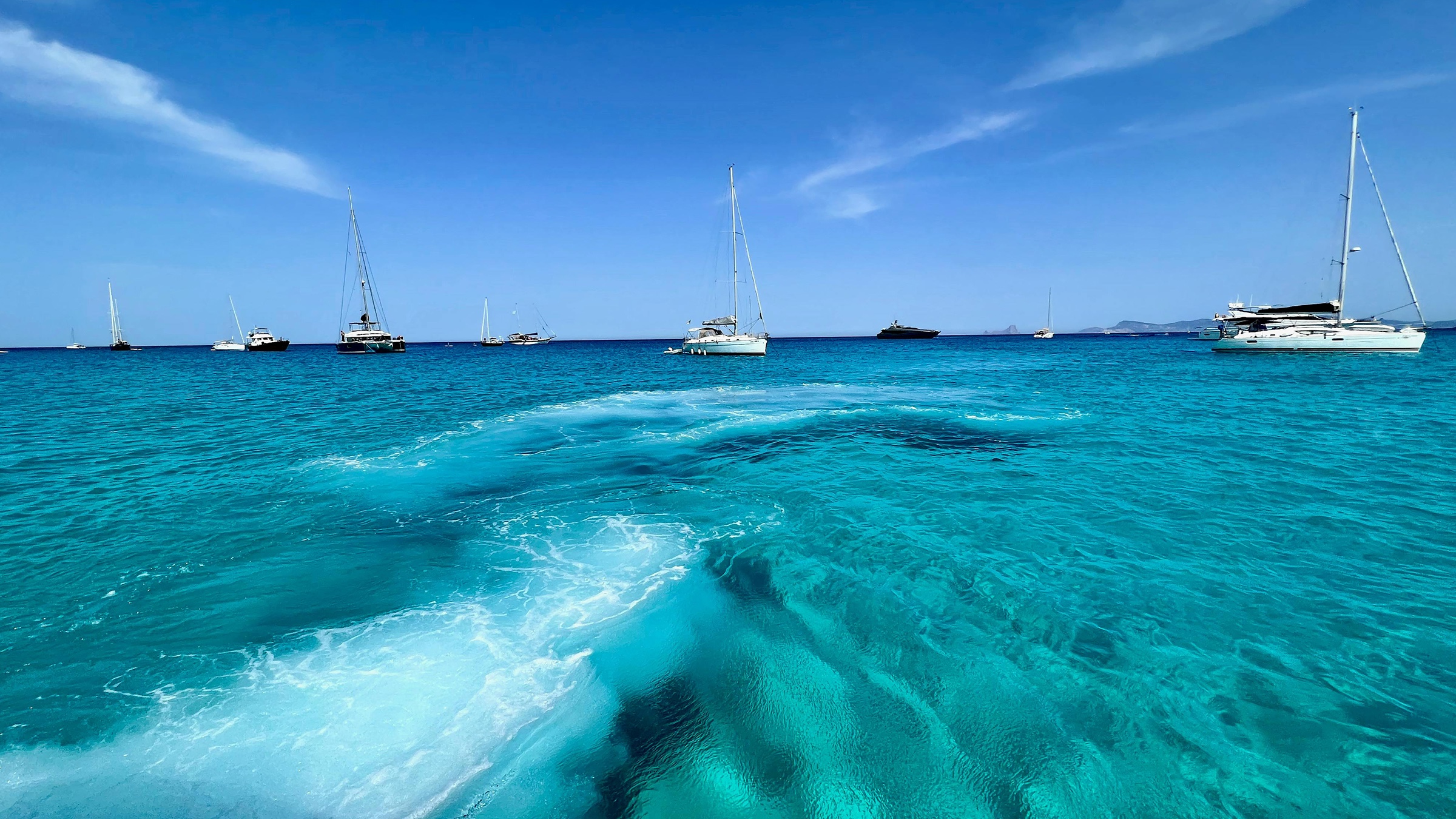 Leaving an anchorage
You will never lose sight of land on the Great Loop. The trip is measured in places, not in open ocean.
USA Onboard Editorial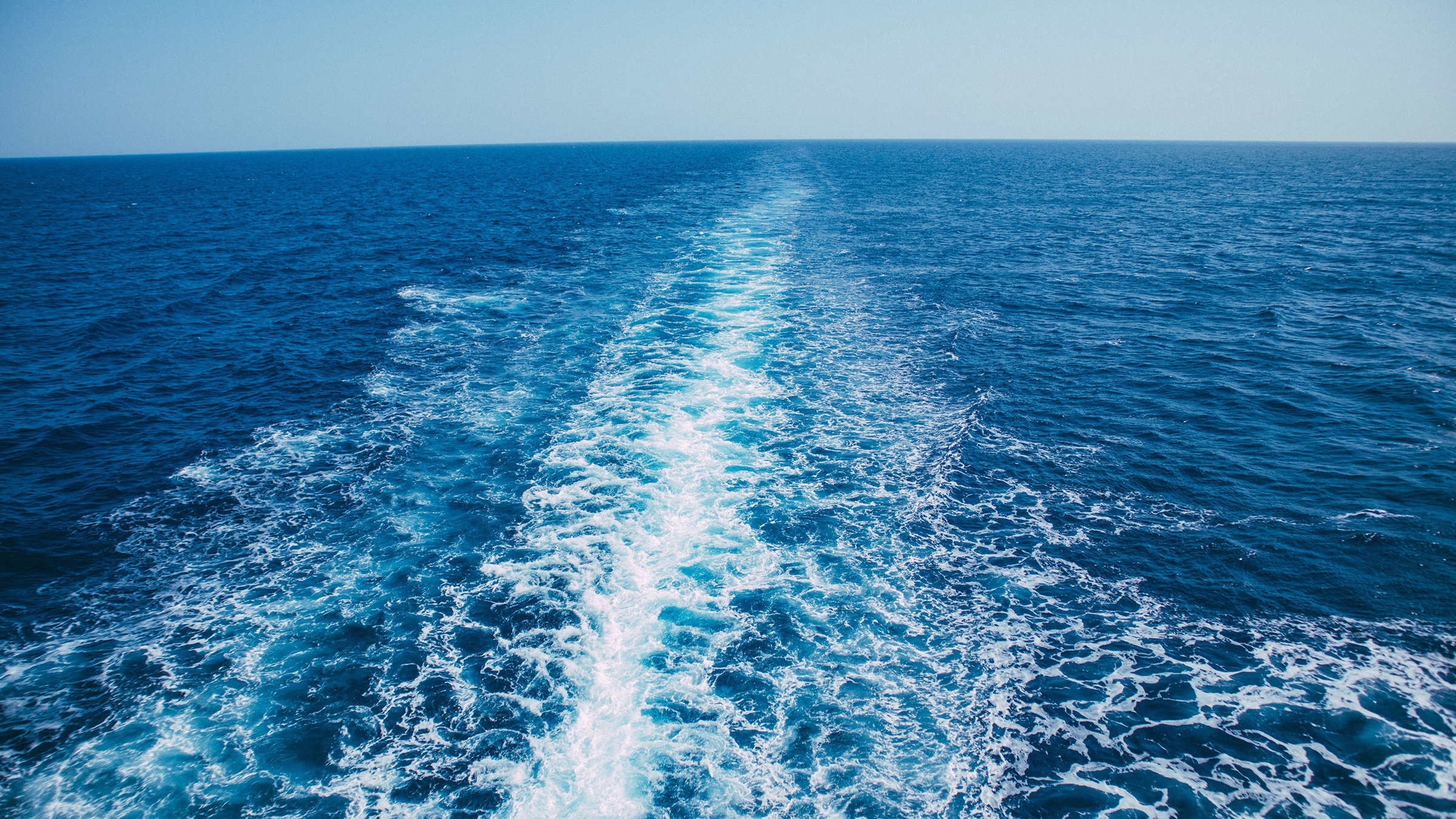 Underway · Between legs
A high-summer crossing of fresh water
The northern leg is the one Loopers tend to remember most vividly, and the one this magazine treats as a destination in its own right. Crossing into the Great Lakes and the Canadian waterways in high summer means trading the salt coast for an inland sea: clear fresh water, cool mornings, and anchorages tucked into granite and pine. The Trent-Severn and the Rideau lift boats over the height of land through historic lock systems; Georgian Bay and the North Channel deliver some of the finest cruising water on the continent. We cover this country in depth in its own feature.
Timing is everything here. The window is short, broadly midsummer, and it closes early. Loopers aim to be off the northern lakes before autumn weather sets in, which is what pushes the schedule toward the next leg: the long descent of the inland rivers. The discipline of the Loop is, in the end, a conversation with the calendar. You move when the season opens the door, and you do not linger past the moment it begins to close.
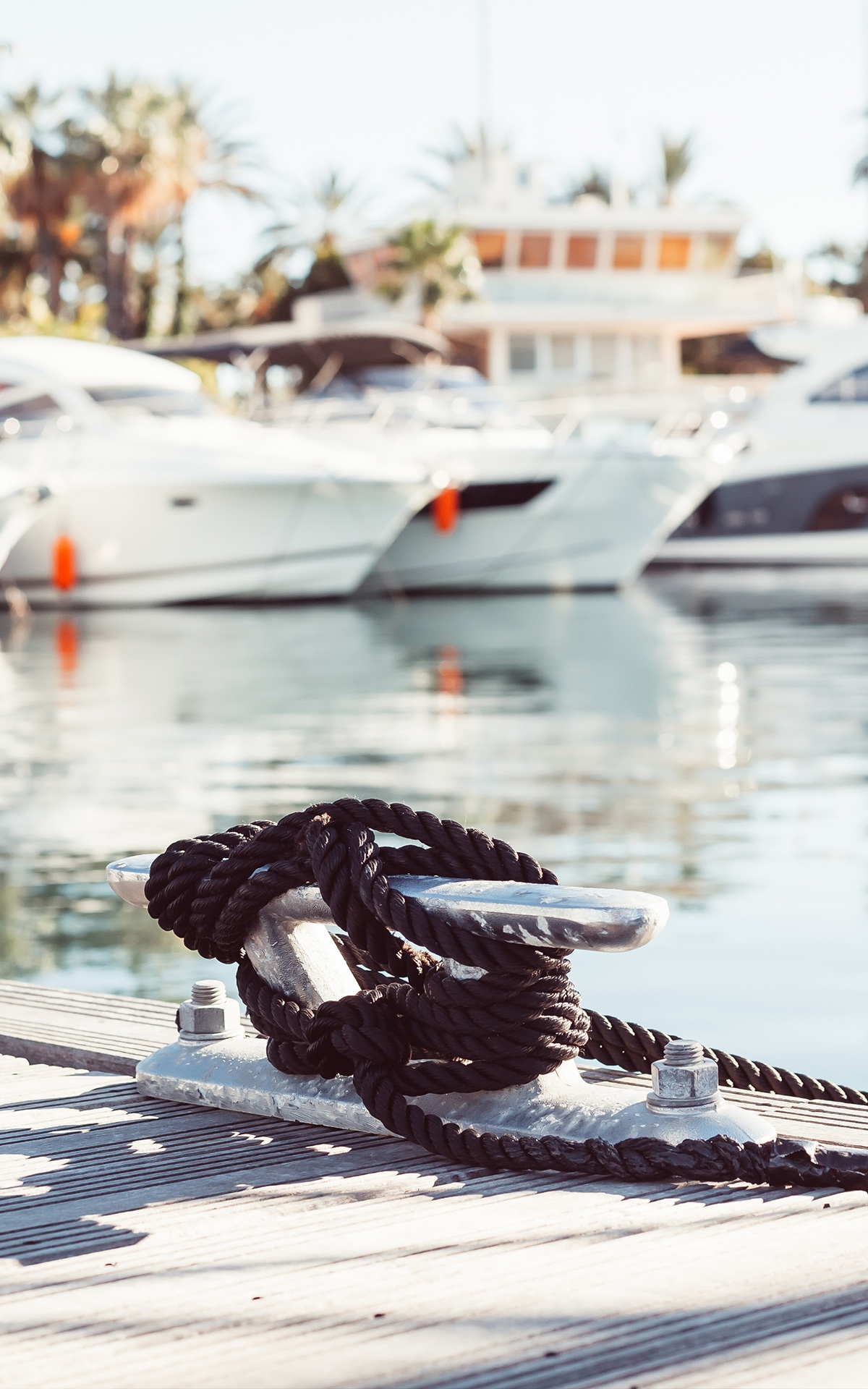 Made fast · A night in port
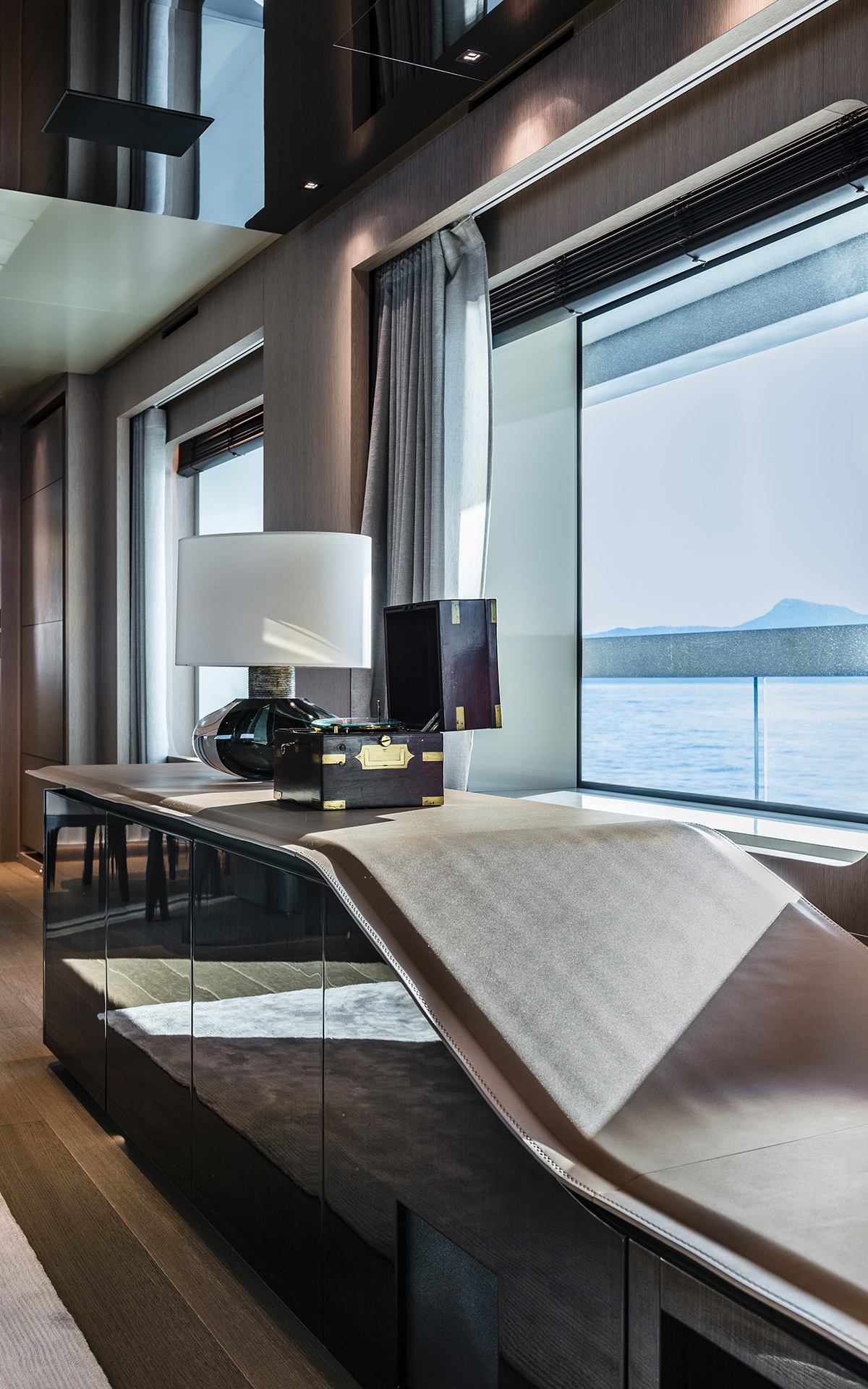 The view from inside
Downriver, and the run home
From Chicago the route turns south and inland, descending the Illinois and the Mississippi before many Loopers cut across to the Tennessee and the Tennessee-Tombigbee Waterway, a shortcut that trims a few hundred miles and avoids the commercial bustle of the lower Mississippi. This is the quietest leg, a procession of locks, river towns and long tree-lined reaches. There are stretches with real distance between fuel stops; the longest commonly cited run without fuel is around two hundred and forty miles, and boats with modest range plan for it deliberately.
The rivers deliver you to the Gulf, and the final leg crosses to Florida in winter, closing the circuit, "crossing your wake," in the phrase Loopers use for the moment they return to where they started. For a boat kept in the southeast, that wake is crossed close to home, and the Loop reveals its real shape: not a single heroic passage, but four seasons of distinct water, joined end to end into the longest coastal cruise most boaters will ever take.
- Full circuit
- ~6,000 miles · route depending
- Typical duration
- 9 to 12 months · or cruised in segments
- Leg one · Atlantic ICW
- Florida to the Chesapeake · spring, protected water
- Leg two · Chesapeake & Hudson
- Norfolk to Troy · salt to fresh, masts down
- Leg three · Northern lakes
- Erie / Champlain to the Great Lakes · high summer
- Leg four · Rivers & Gulf
- Chicago to Florida · autumn down, winter home
- Direction
- Counter-clockwise · with prevailing current and weather
- Travel pace
- ~50 miles per travel day · roughly one day in three underway
- Longest fuel gap
- ~240 miles · Alton, IL to Paducah, KY
Read whole, the Great Loop asks for a year and a certain nerve. Read in legs, it asks only for a season and a willingness to go slowly, and gives back, in return, the eastern edge of a continent seen entirely from the water.
USA Onboard Editorial