




Departure ChecklistBefore You Cast Off
The complete list — from shore-side planning to the moment you release the last dock line — so every departure is safe, orderly, and professional.
The sea does not forgive carelessness. Every year, hundreds of boating incidents are not caused by unexpected storms or mysterious mechanical failures, but by something far more avoidable: the rush to get underway. An expired fire extinguisher, a weak battery, an emergency contact who doesn't know your float plan — these are the differences between an incident that gets resolved and a tragedy. The difference between the seasoned mariner and the novice is not just skill at the helm: it's what they do before stepping aboard.
This guide is your definitive departure protocol. It's not a casual checklist: it's a structured system organized by phases, from planning at home to the exact moment you release the last line. Follow it every time you sail, without exception, and turn safety into a habit — not a worry.
The checklist is not nautical bureaucracy. It is the habit that separates the competent mariner from the lucky one.
— Operations Philosophy · USA Onboard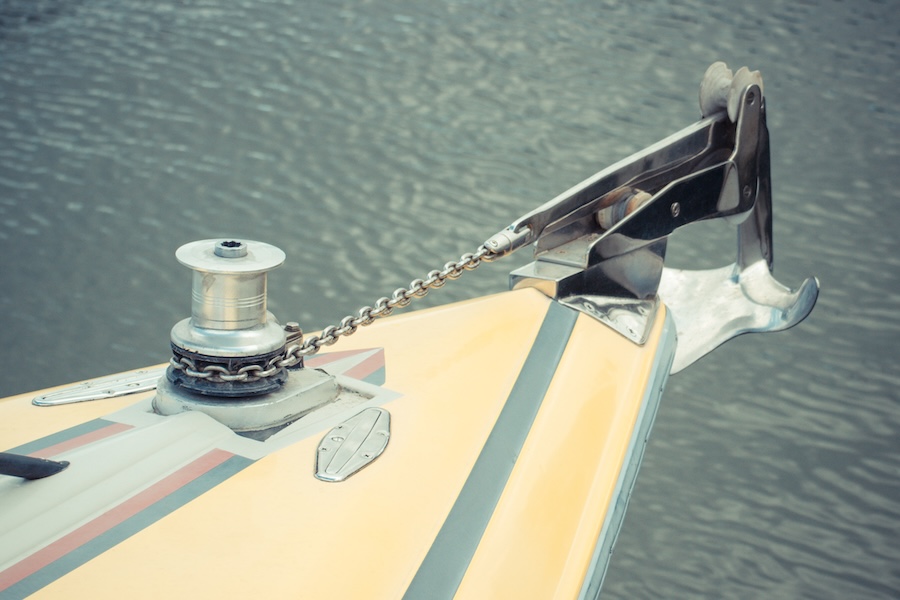
The 7 Phases of a Professional Departure
The departure process begins long before you reach the marina. We've divided it into seven sequential phases that cover every critical aspect: from planning at home to the moment of cast-off. Each item has a verification box. On a real departure, don't check from memory — physically walk the boat.
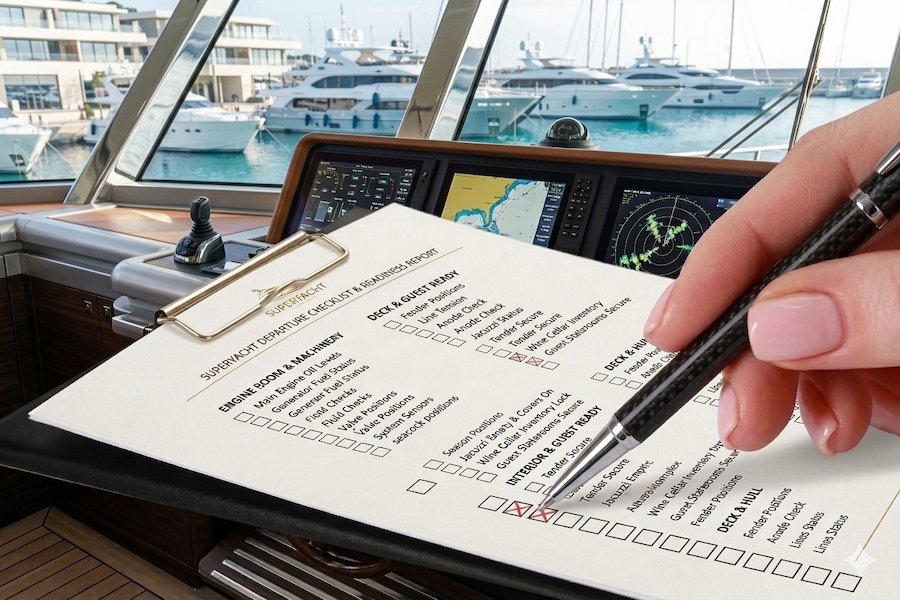
Print the PDF, laminate it, and keep it aboard. Use a dry-erase marker to check each item before every trip. Wipe it clean on return and reuse it. Don't improvise or rely on memory — fatigue and the excitement of casting off affect recall.
Items marked CRITICAL are no-go conditions if unresolved. They are not negotiated, not postponed. Casting off with one of them incomplete is a decision to navigate in unsafe conditions.
Planning and the Float Plan
-
Check the weather forecast Critical Consult at least two sources (NOAA, Windy, VHF Channel 16). Verify wind, sea state, visibility, and any storm systems for the next 24–48 hours. If the forecast is uncertain, postpone the trip.
-
Plot your route on chart or GPS Important Mark waypoints, planned anchorages, alternate harbors of refuge, and decision points. Verify depths and known obstructions along the route.
-
File a Float Plan with a trusted contact Critical This item saves lives. Your shore contact must know: port of departure, planned route, final destination, estimated time of arrival, number of people aboard, vessel description, and radio channel. Agree on the time at which they should activate the alert if they don't hear from you.
-
Check NOTAMs and Notices to Mariners Traffic restrictions, military exercise areas, lights out of service, regattas, or events affecting your area of operation.
-
Calculate fuel + 30% reserve Critical Estimate consumption based on cruising speed and distance. Add a 30% safety margin to account for adverse currents, maneuvering, and possible diversions.
-
Prepare passenger list and pre-trip notice Full name, emergency contact, relevant medical conditions (allergies, medications, cardiac issues), and boating experience level for each person.
Vessel and Personal Documents
-
State registration or USCG documentation Critical Current registration certificate or USCG Documentation. Verify that the vessel name, hailing port, and identification number match those of the boat.
-
Current insurance policy Critical Verify expiration date, coverage limits, and authorized navigation areas. Keep a hard copy aboard.
-
Captain's license or boating credential Doc Depending on jurisdiction: OUPV (Six-Pack), Master, state boating license, or other. Verify validity and authorized class (inland, near-coastal, offshore, etc.).
-
Ship station radio license (if applicable) Doc Required for vessels equipped with marine VHF when operating in international waters. The operator must also hold the corresponding personal license.
-
Personal IDs for everyone aboard For international voyages or border waters: valid passports. For domestic boating: government-issued ID. Verify validity.
-
Customs / CBP permits if applicable Critical For port entries from international waters or foreign-flag vessels in U.S. waters: CBP Decal, ROAM reporting number, arrival plan with CBP.
Keep all documents in a Ziploc bag or waterproof case at the captain's station. In an emergency, documents are the first thing authorities will ask for. Don't let them be scattered around the boat.
Mechanical, Fuel, and Electrical Systems
-
Fuel level — visual and gauge Critical Don't trust the dashboard gauge alone — open the tank cap and verify visually. Gauges can fail. Confirm that you have the calculated fuel plus the 30% reserve.
-
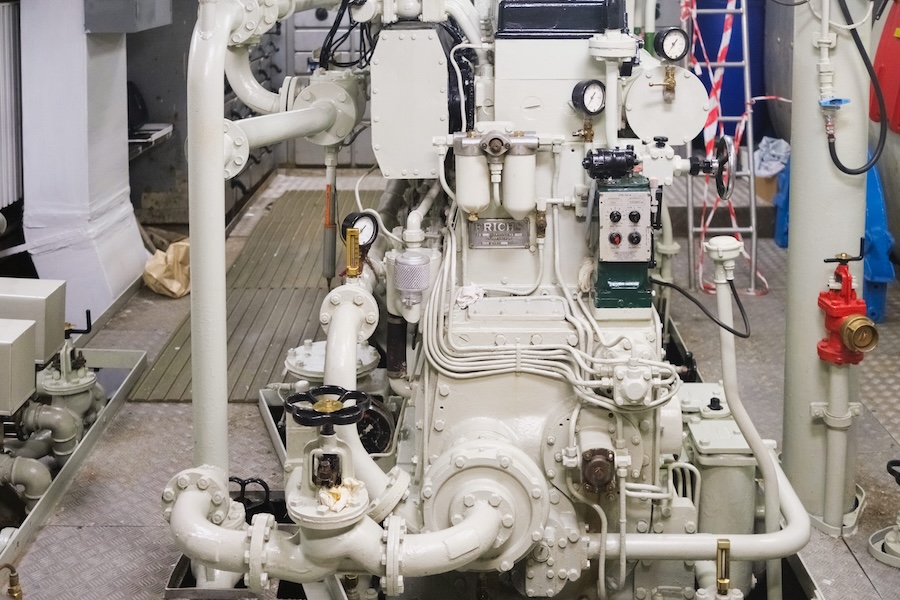
Fuel filter condition Important Inspect the primary filter (Racor or equivalent). Drain the water/sediment bowl if any has accumulated. A clogged filter can shut down the engine while underway.
-
Engine oil — level and quality Important Dipstick reading: between MIN and MAX. Color: no foam or milky appearance (a sign of water in the oil). Change it if it's dark and approaching its service interval.
-
Engine coolant level Check the expansion tank. Never open the radiator while hot. Correct level: between MIN and MAX.
-
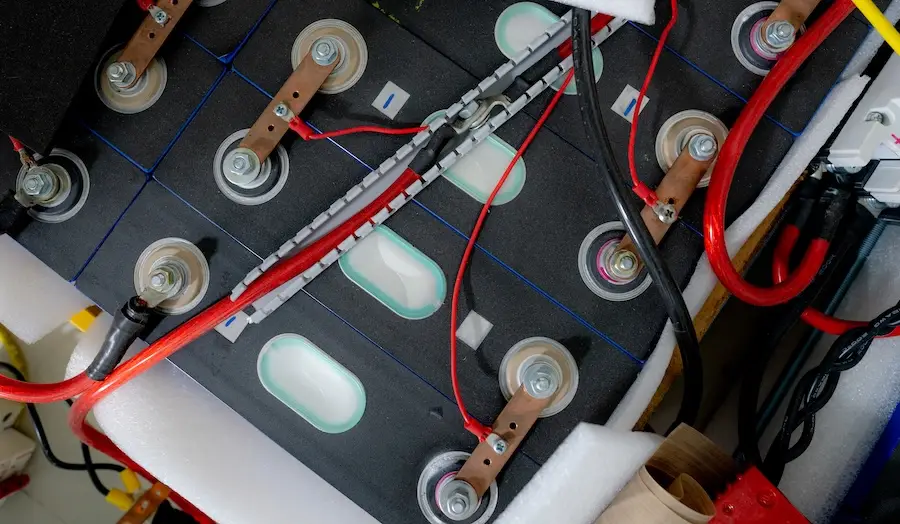
Battery condition Critical Check voltage with a multimeter: starting bank ≥ 12.6V, house bank ≥ 12.4V at rest. Terminals clean and tight. No visible corrosion. A weak battery can leave you with no start and no radio.
-
Raw water strainer (impeller) Important Inspect the seawater intake strainer before starting the engine. Clean if there is weed or debris. Verify that the seacock is open before starting.
-
Engine start test — at the dock Start the engine at least 10 minutes before departure. Verify: normal oil pressure, normal temperature, raw water flow at the exhaust, no excessive smoke, no abnormal noises.
-
Steering and engine controls With the engine in neutral, verify steering response port and starboard. Test forward and reverse. Check for any excessive play.
-
Bilge — water level and pump Critical Check water level in the bilge. If accumulation is unusual, investigate the cause before departure. Test the bilge pump in manual mode. Set to automatic.
-
Anchor windlass — operational test Important Operate the windlass up and down. Verify that the chain is properly seated, the anchor shackle tight, and the chain free of obstructions. The brake lever must be functional.
-
Disconnect shore power before departure Critical Shore power (220/110V), dock water, TV/internet cable if applicable. Never cast off with the shore power cord still connected — that mistake can destroy the cable, damage the boat, and cause electrocution.
Navigation Electronics and Communications
-
Marine VHF — communication test Critical Power on and verify reception on Channel 16 (emergencies). Run a radio check on Channel 22A with the Coast Guard if possible. DSC active and MMSI properly programmed. Backup battery charged.
-
GPS / Chartplotter — signal and charts Important GPS signal acquired (at least 4 satellites). Charts for the area of operation loaded and up to date. Today's route entered. Backup: handheld GPS with charged batteries.
-
Radar — power on and verify image Clear image with no excessive interference. Adjust gain to suit conditions. If you sail at night or in reduced visibility, radar is critical equipment, not optional.
-
AIS — transponder active and transmitting Important Verify that AIS is transmitting your position, MMSI, and vessel name. Confirm that you are receiving nearby vessels on the chartplotter.
-
Navigation lights — full test Critical Switch on all lights: bow (red/green), stern (white), masthead (white, if applicable), anchor (white all-round). For night departures: verify that none are burned out. Carry spare bulbs.
-
Horn / sound signal — operational test Required by COLREGS. Verify operation of the electric or air horn. Carry an aerosol horn as backup.
-
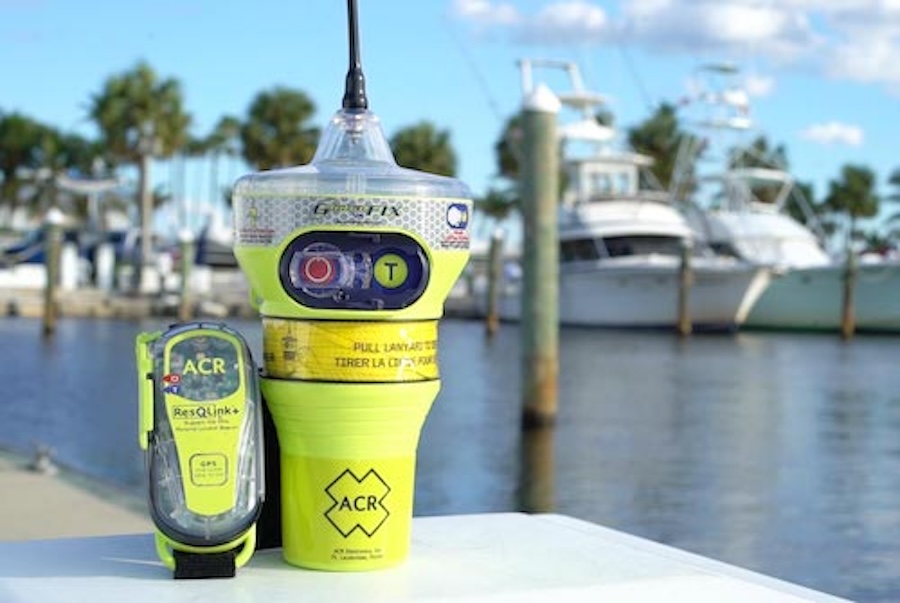
EPIRB — status and battery indicator Critical Status indicator: green (OK). Verify battery and hydrostatic release expiration dates if applicable. MMSI registered with NOAA. Do not activate during the test — use the self-test function only.
-
Cell / satellite phone — fully charged Important Battery at 100%. Waterproof case. If you sail offshore or to areas without cell coverage, carry an active satellite communicator (Garmin inReach, SPOT, etc.).
Safety, Life-Saving and Emergency
This phase cannot be compromised. Safety equipment is not optional or negotiable. Its condition determines whether you have moral and legal permission to cast off. If anything is expired, damaged, or in poor condition, you don't go.
-
Fire extinguishers — current, charged, accessible Critical Verify expiration date on each extinguisher's label. Pressure gauge in the green. Safety pin intact. No physical damage or corrosion. Location known by everyone aboard. Minimum: one in the engine room, one in the cabin. Replace if expired — no excuses.
-
Visual distress signals — current Critical Verify expiration date on each flare. Expired flares are unreliable, and in many jurisdictions are illegal even if carried as backup. Replace the entire kit if any are expired. Minimum: 3 aerial flares, 3 handheld, signal mirror, whistle.
-
Life jackets / PFDs — one per person Critical Verify one for each person aboard, in the proper size. Inflatable: check the activation pill (not expired) and CO₂ cartridge. Manual: fabric undamaged, zippers and buckles working. Children's PFDs must be sized for children, not adults.
-
Throwable life ring with light and tether Important Ring in its bracket, immediately accessible from the stern. 30 m life line coiled without tangles. Strobe light activated on water contact (verify battery).
-
Life raft — current service certification Important The raft must have a valid service date (typically annual). Stowed where it can be deployed quickly. Not blocked by luggage or other gear.
-
First-aid kit Important Check expiration of medications, gauze, and sterile materials. Minimum content: pain relievers, antihistamines, antiemetics, bandages, scissors, tweezers, oral rehydration salts, burn kit, and any personal medications of those aboard.
-
Engine kill switch Critical Attach the kill switch lanyard to the helmsman's wrist or PFD. If the helmsman falls overboard, the engine stops automatically. Test the system before departure (pull the lanyard with the engine running in neutral).
-
Anchor — ready, chain free and secured Important Verify that the anchor chain or rode is secured to the boat (not just to the windlass). No knots or kinks in the chain. Anchor in its roller, free of obstructions for emergency deployment.
-
Basic tools and spares aboard Spare impeller, engine belts, fuses, electrical tape, emergency bilge pump, screwdrivers, pliers, adjustable wrench, tow line.
An expired extinguisher may not work at the worst possible moment. An expired flare may not ignite when you need it most. Do not cast off with any of these items out of date. If you find them expired on the day of departure, cancel or postpone the trip until they are replaced. There are no exceptions to this rule.
Passenger Briefing and Onboard Safety
Before casting off, gather everyone aboard — without exception — and run the safety briefing. Don't improvise. Be clear, direct, and make sure that everyone, including the children old enough to understand, has grasped the basics.
-
Show the location of the life jackets Critical Walk each passenger to the place where they are stowed. Show how to put them on and adjust them. Have each person try theirs on. PFDs that no one knows how to wear are useless in an emergency.
-
Location of extinguishers, flares, and life ring Physically point out each item. Explain in which situations each is used. Passengers must be able to find them without the captain's help if necessary.
-
Basic safety rules aboard Important Dos and don'ts: don't sit on the bow while underway, don't stand on the gunwale, move around the deck always holding something firm ("one hand for the boat, one for yourself"), don't lean over the rail without a PFD, don't distract the helmsman during maneuvers.
-
"Man overboard" signal and basic protocol If anyone goes in the water: shout "man overboard" immediately, throw the life ring, point at the person without losing sight of them, alert the captain. Never jump in to rescue — there can end up being two victims instead of one.
-
Special care with small children Critical Children under 13 (or per local law) must wear a PFD at all times on deck or while underway. Assign a responsible adult to each child. Identify restricted areas: engine room, gunwale without rail, bow while underway. A child in the water disappears from sight in seconds.
-
Brief on seasickness and wellness protocols Show where seasickness medication is kept, if any. Explain that bad weather can intensify it and that asking to return is a normal request. Indicate where bags are in case of nausea. Keep passengers hydrated and avoid prolonged direct sun.
-
Emergency numbers (VHF Channel 16 / 911) In the U.S.: VHF Channel 16 for the Coast Guard. Local emergency number. If the captain becomes incapacitated, someone aboard must know how to call for help.
The passenger briefing is not an awkward formality. It is the most important act of safety you will perform before casting off.
— Safety Protocol · USA Onboard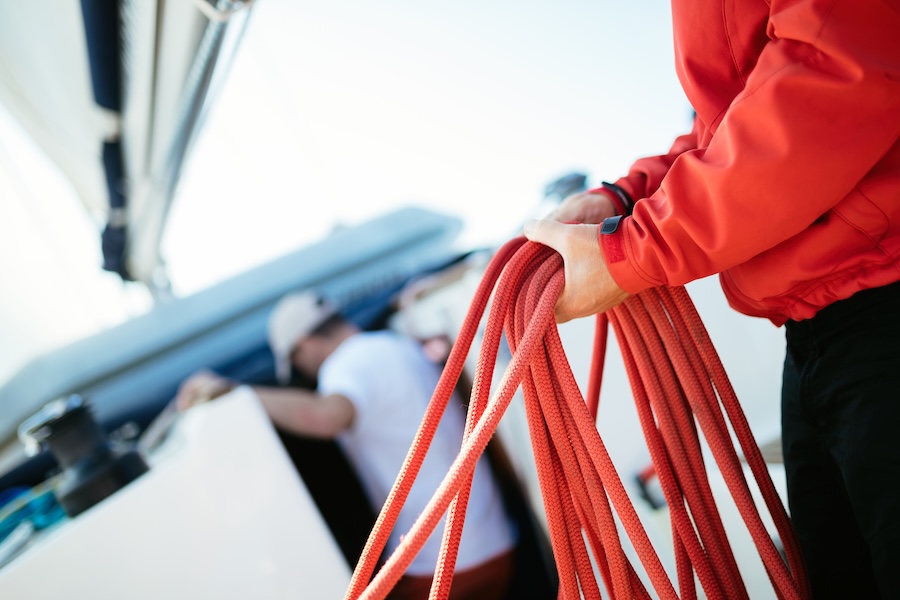
The Float Plan you leave ashore
Your shore contact is not just someone who "knows you went out." They are your first rescuer. If you don't return on time, they are the one who calls authorities and gives them concrete, useful information to find you. Without a detailed plan, the first hours of search are wasted reconstructing basic facts.
| Item | Example · Description |
|---|---|
| Vessel name | Name, type, hull and superstructure color, visible registration number |
| Port / departure marina | Marina name, dock and slip if possible |
| Planned departure time | ±30 min tolerance. Example: 08:00 |
| Planned route | Coordinates or names of waypoints / reference points |
| Final destination | Marina name or anchorage. GPS coordinates if it is an anchorage |
| Intermediate stops | Anchorages, layovers, alternate ports in case of bad weather |
| Estimated time of arrival | ETA at final destination. Example: 16:30 |
| Time to trigger the alert | If you don't hear from me by ___, call the Coast Guard |
| People aboard | Total number. Full names and emergency contacts |
| Radio channel | VHF Channel 16, plus working channel if applicable |
| Captain's phone | Cell and/or satellite. Vessel phone if any |
| Local Coast Guard number | USCG Sector covering your area of operation |
When you reach your destination, call or text your shore contact to confirm arrival. This prevents unnecessary rescues and gives peace of mind to the person waiting for you. It's part of the protocol, not an optional courtesy.
Final Check, Lines, and Fenders
-
Everyone aboard and in position Critical Count people physically. No one on the gangway, on the dock, or hanging over the side. Everyone in a safe position for the maneuver.
-
Engine running and temperature stabilized The engine should warm up at least 5–10 minutes before maneuvering. Coolant temperature in the normal range. No active alarms on the dashboard.
-
Check around the boat below the waterline Submerged lines from other boats, fishing nets, floating debris, mooring buoys. Verify that the propeller is clear before engaging the gear.
-
Gangway retrieved and stowed The gangway cannot stay on the dock or hang over the side. Secure it aboard before releasing lines.
-
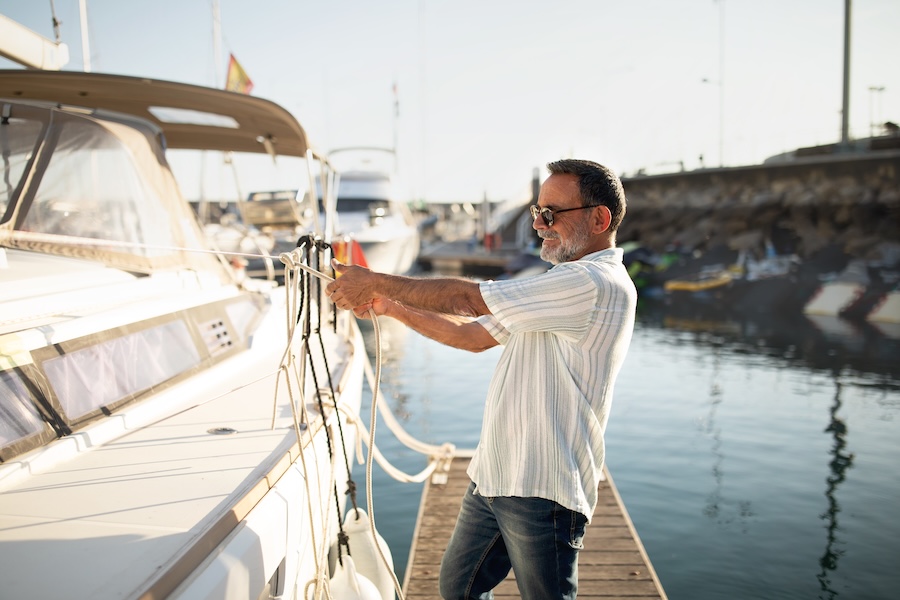
Release lines in the correct order Important Plan the release order based on wind and current. Typically: spring lines first, then the line that lets you control the exit. Bring each line aboard immediately — never let lines trail in the water.
-
Pull fenders after departing Important Fenders come up once the boat is clear of the dock and in open water, not before. Sailing with fenders hanging is a sign of careless seamanship. Assign someone specifically to retrieve and stow them.
-
Check the maneuvering area before moving Look 360°: other boats underway, kayaks, swimmers, jet skis. Verify that you have enough room for the departure maneuver. Communicate by VHF if maneuvering in a narrow channel.
-
Helmsman's kill switch attached Critical The kill switch lanyard must be on the helmsman's wrist or PFD before engaging any gear. Non-negotiable.
-
Begin the entry in the logbook Note: time of departure, weather conditions, crew, starting fuel, vessel condition. The log is the official record and may be key in the event of an incident.
The 10 items you can never ignore
Of the entire list, these ten are absolute no-go conditions if any are incomplete. The rest may have gray areas and situational judgment. These do not.
01 · Weather forecast checked
02 · Float plan filed ashore
03 · Fuel verified visually
04 · Fire extinguishers current and accessible
05 · Visual distress signals current
06 · One PFD per person, properly sized
07 · EPIRB operational and registered
08 · VHF working on Channel 16
09 · Batteries in acceptable condition
10 · Kill switch attached at cast-off
If at any point in the checklist you find a problem you cannot resolve immediately — an expired extinguisher, a weak battery, a VHF that won't transmit — the right decision is always the same: don't go.
The sea will be there tomorrow. The chance to come home safely won't always be.