


Newport
In Season
When the moorings fill and the first regattas catch the southwesterly, the old port wakes the way it has for a century and a half: from the water in.
There are harbors you visit and harbors that arrange the season around themselves. Newport has always belonged to the second kind.
Come the turn of spring the Rhode Island town does not so much open as resume. Hulls that wintered ashore slide back onto their moorings. The chandleries restock. By the first warm weekend the outer harbor is a forest of masts again, and the whole place reads, once more, as what it has been since the age of sail: one of the great working anchorages of the Atlantic seaboard, dressed for company.
To arrive by water is to understand it properly. The skyline is low and deliberate, church spires and shingled rooflines giving way to the long green shoulder of the Cliff Walk. Everything of consequence faces the sea, because for most of Newport's history the sea was the reason to be here at all.
Three ways the town keeps time
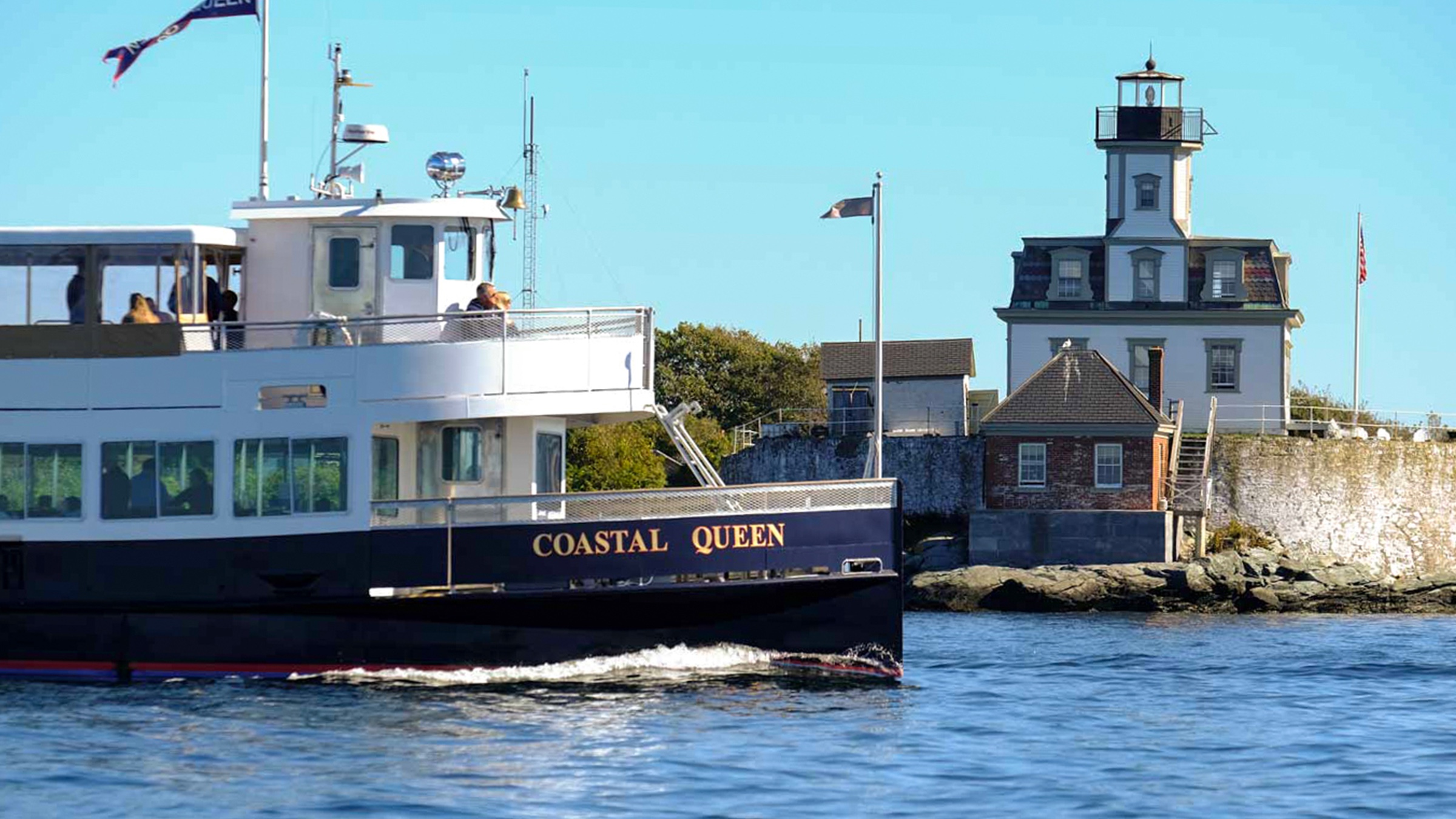
Launches crossing between mooring fields, the morning fuel dock queue, tenders ferrying crews ashore. Newport's waterfront still runs on the rhythm of boats that are used, not only admired.
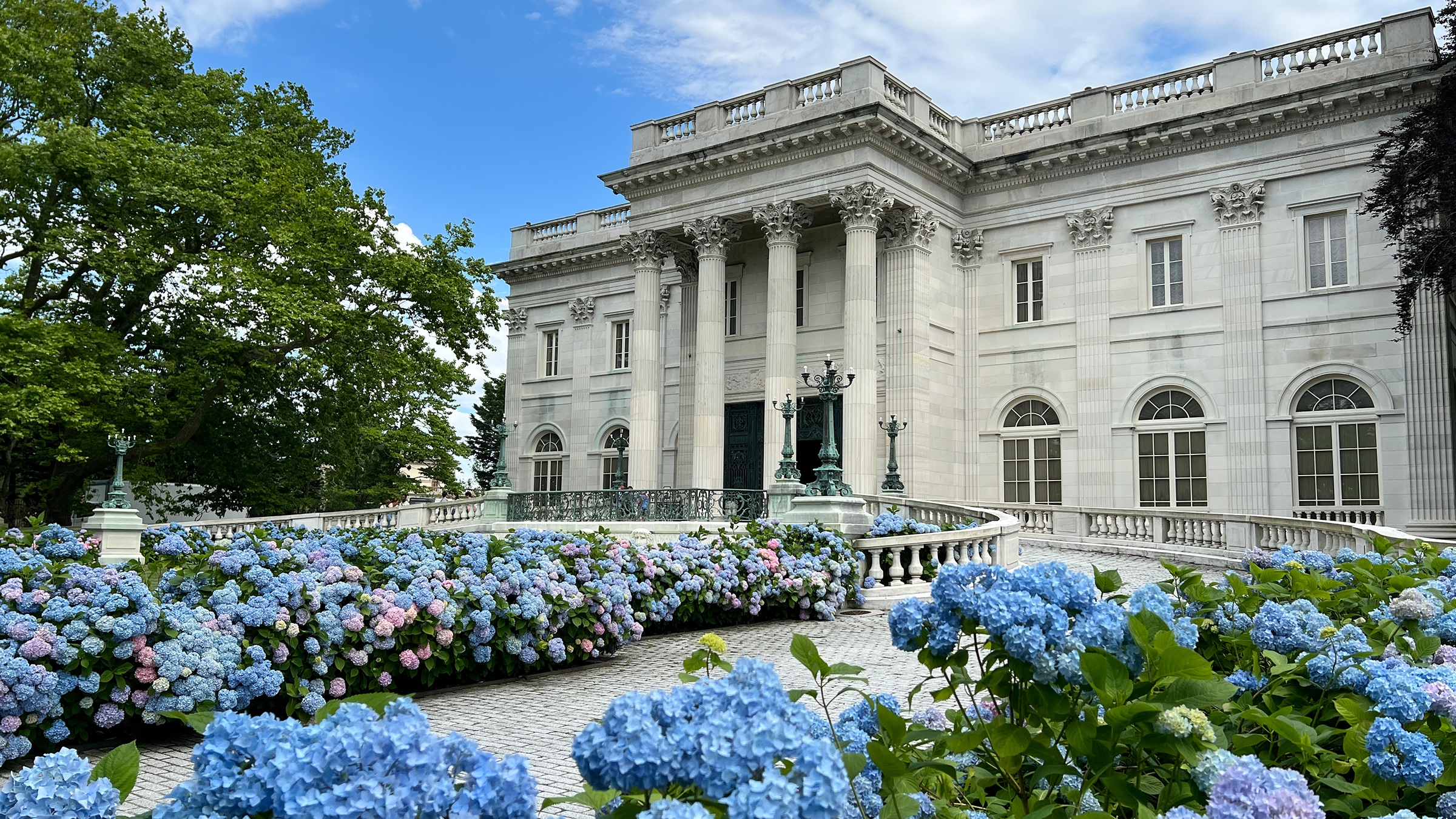
Above the rocks, the great summer cottages of the 1890s still command their lawns. Their gardens come into flower as the season opens, a green counterpoint to the granite coast below.
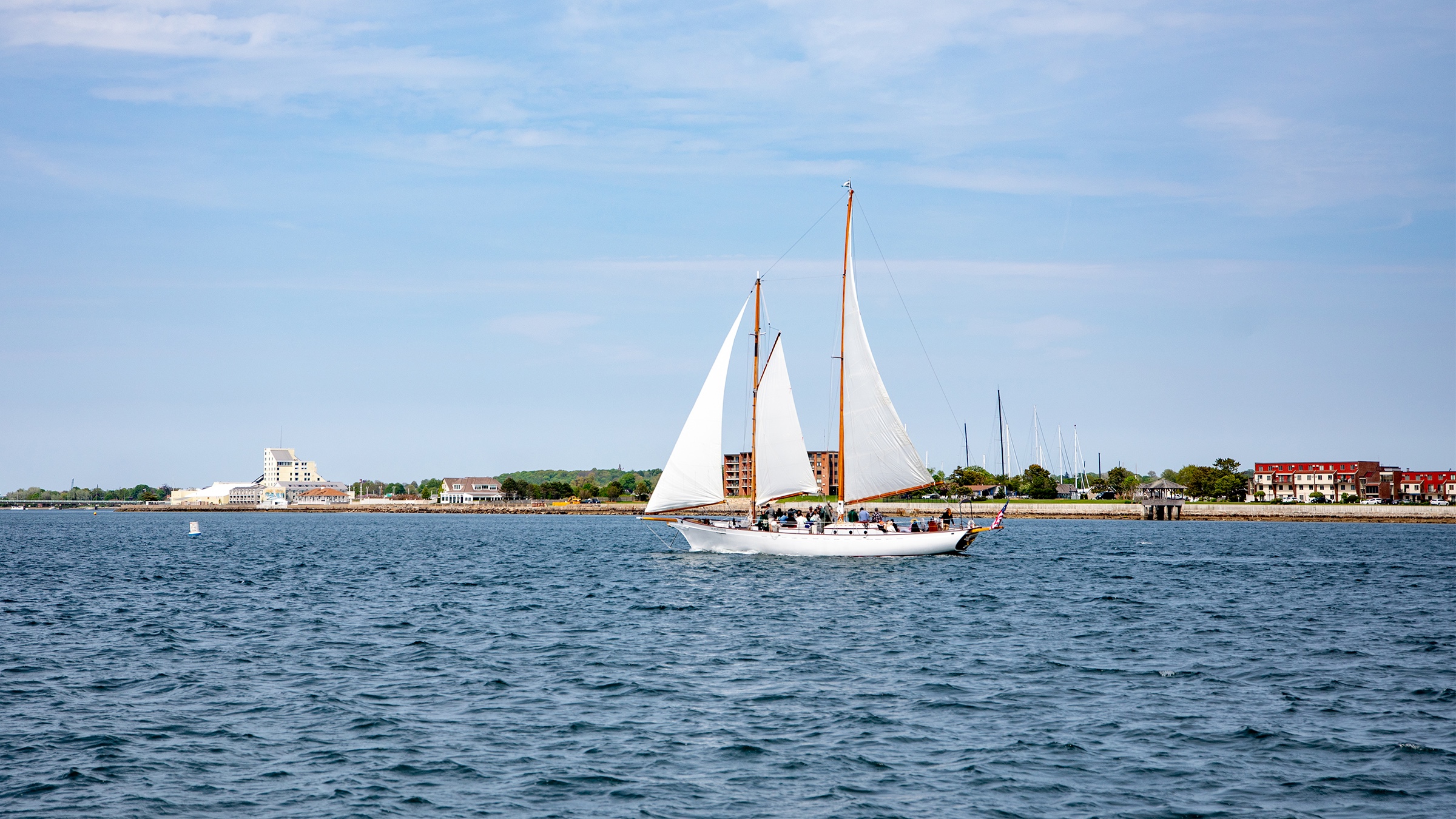
From the first club series to the summer's marquee regattas, sail defines the local week. The wind fills in by early afternoon, and the bay turns into a moving field of canvas.
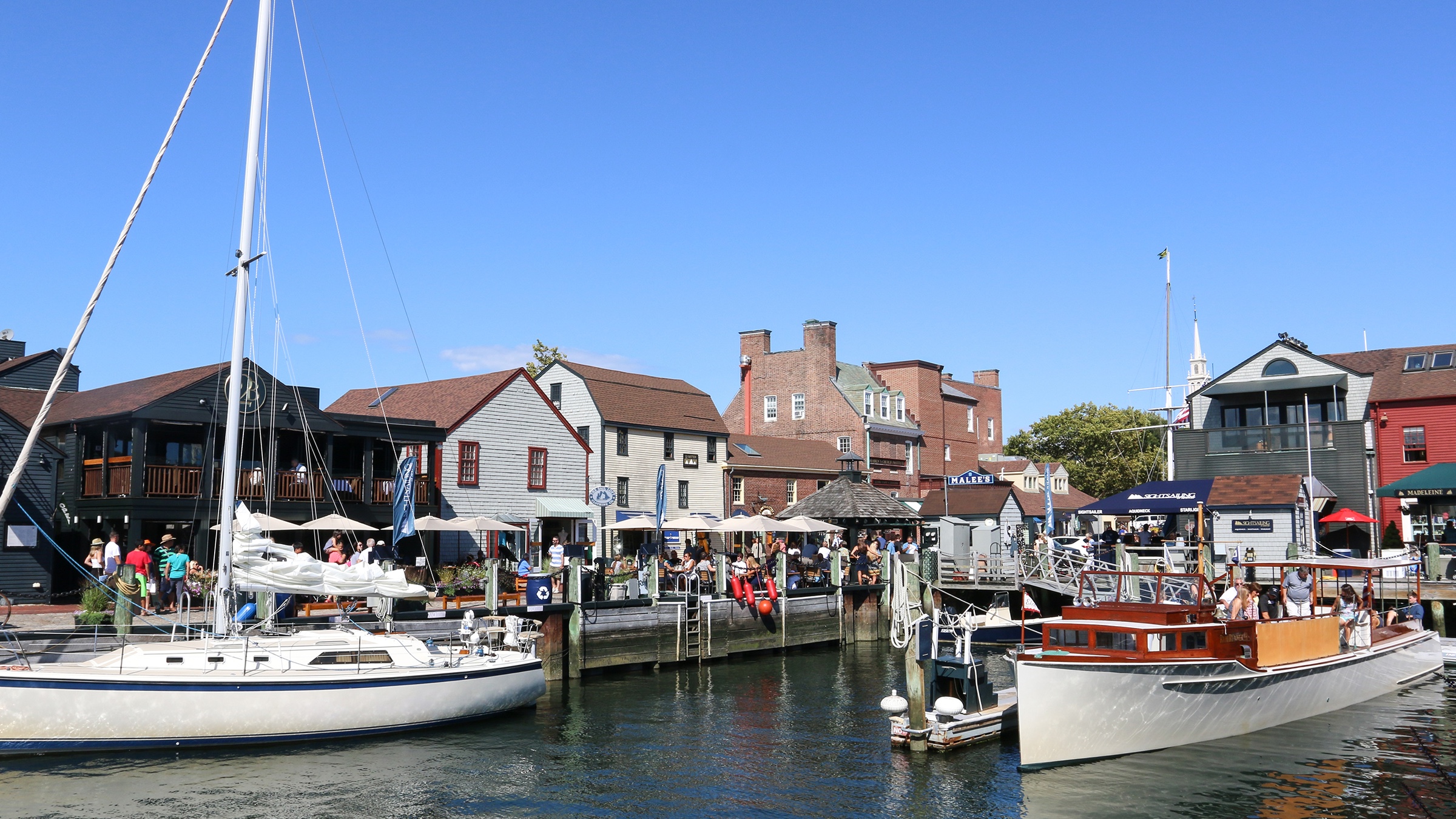
Bowen's Wharf, the anchor of it all
Every harbor town has a center of gravity, and in Newport it sits on the wharves. Bowen's has been a working quay since the eighteenth century, when it handled rum, spermaceti and the trade that built the early fortunes here.
Today the cargo is lighter and the rigging more recreational, but the geometry is unchanged: a tight grid of slips, weathered timber, and behind it the shops and tables that have always grown up wherever boats come to rest. It remains the first place a visiting crew steps ashore, and the last they leave.
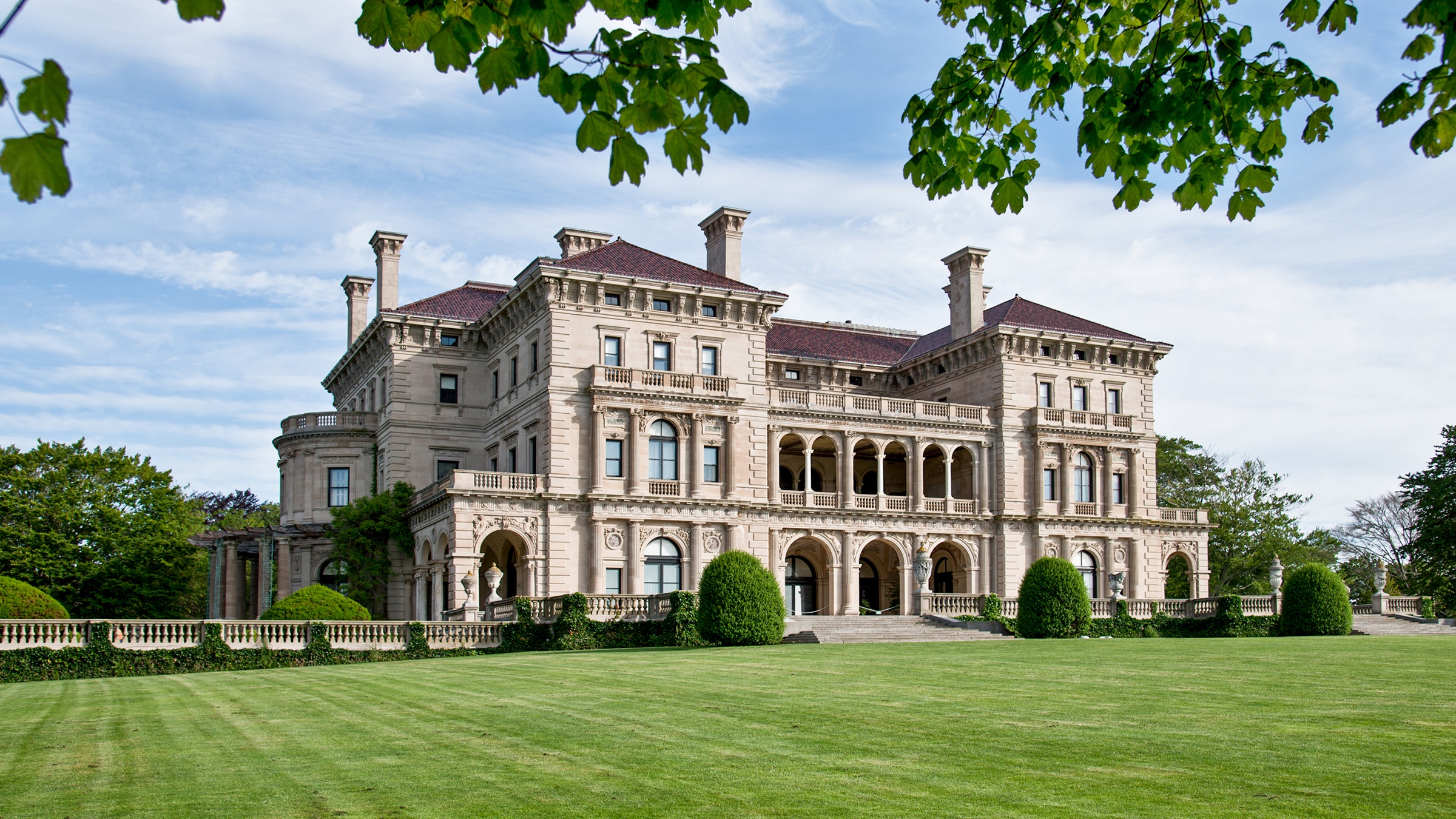
The summer cottages that were never cottages
When the industrial families of the late nineteenth century chose Newport for their summers, they built on a scale the word cottage could never carry. The Breakers, Marble House and their neighbors line Bellevue Avenue and the cliff above the sea, their formal gardens laid out to be seen from the lawn and the water alike.
Open to visitors through the warm months, they are the reason a great many people first come to Newport. But the town was a port long before it was fashionable, and it is the harbor, not the mansions, that gives the season its pulse.
A harbor, in pieces
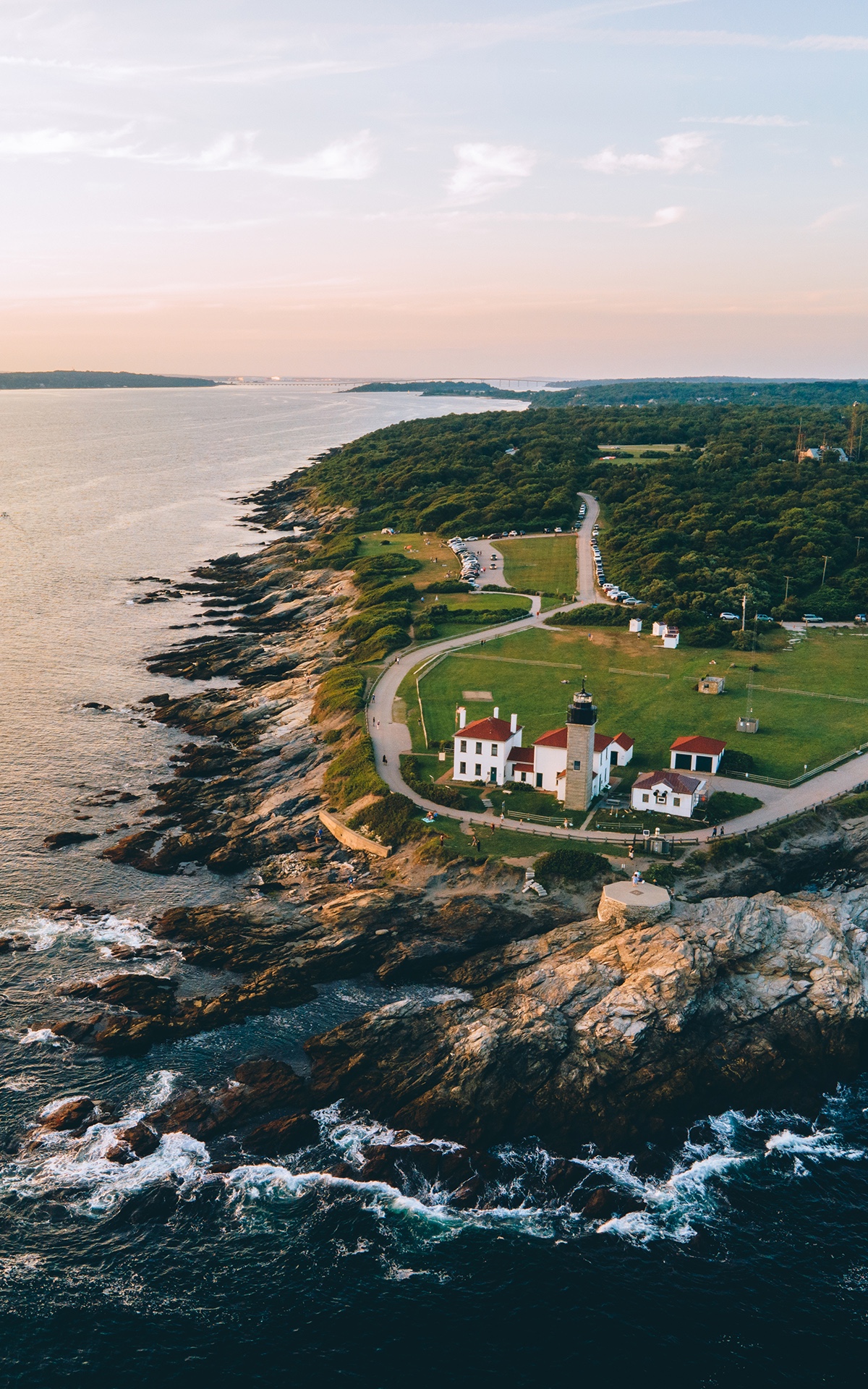
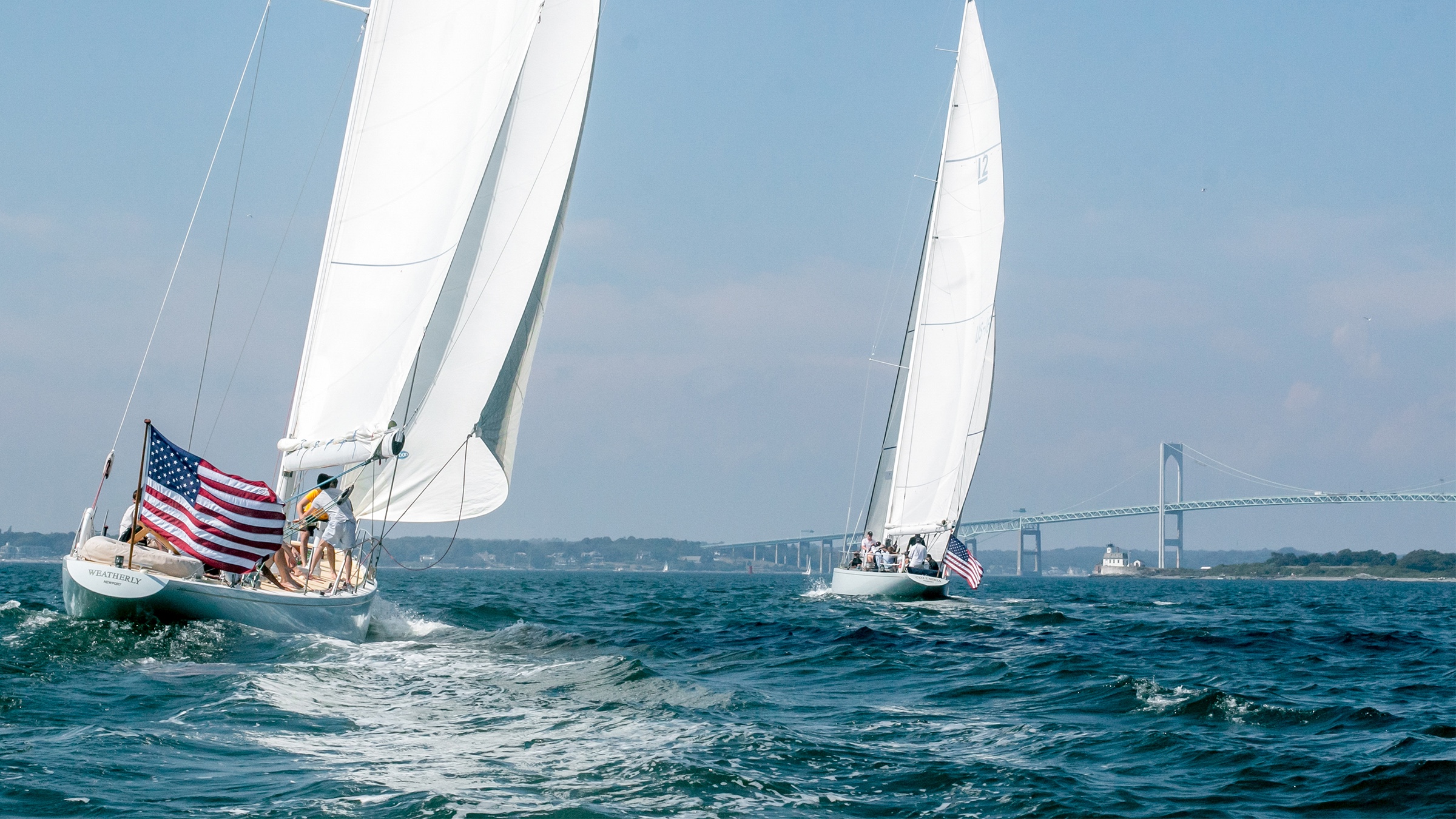
Other towns watch the water. Newport lives on it, and always has.
USA Onboard EditorialWhen the racing is done, the town takes over
The pleasure of Newport in season is that the day does not end at the dock. Crews come ashore to the same wharves that have received sailors for three hundred years, and the evening unfolds in a register the town has long perfected: local oysters, a glass of something cold, the light going gold over the moorings.
Scenes from the season
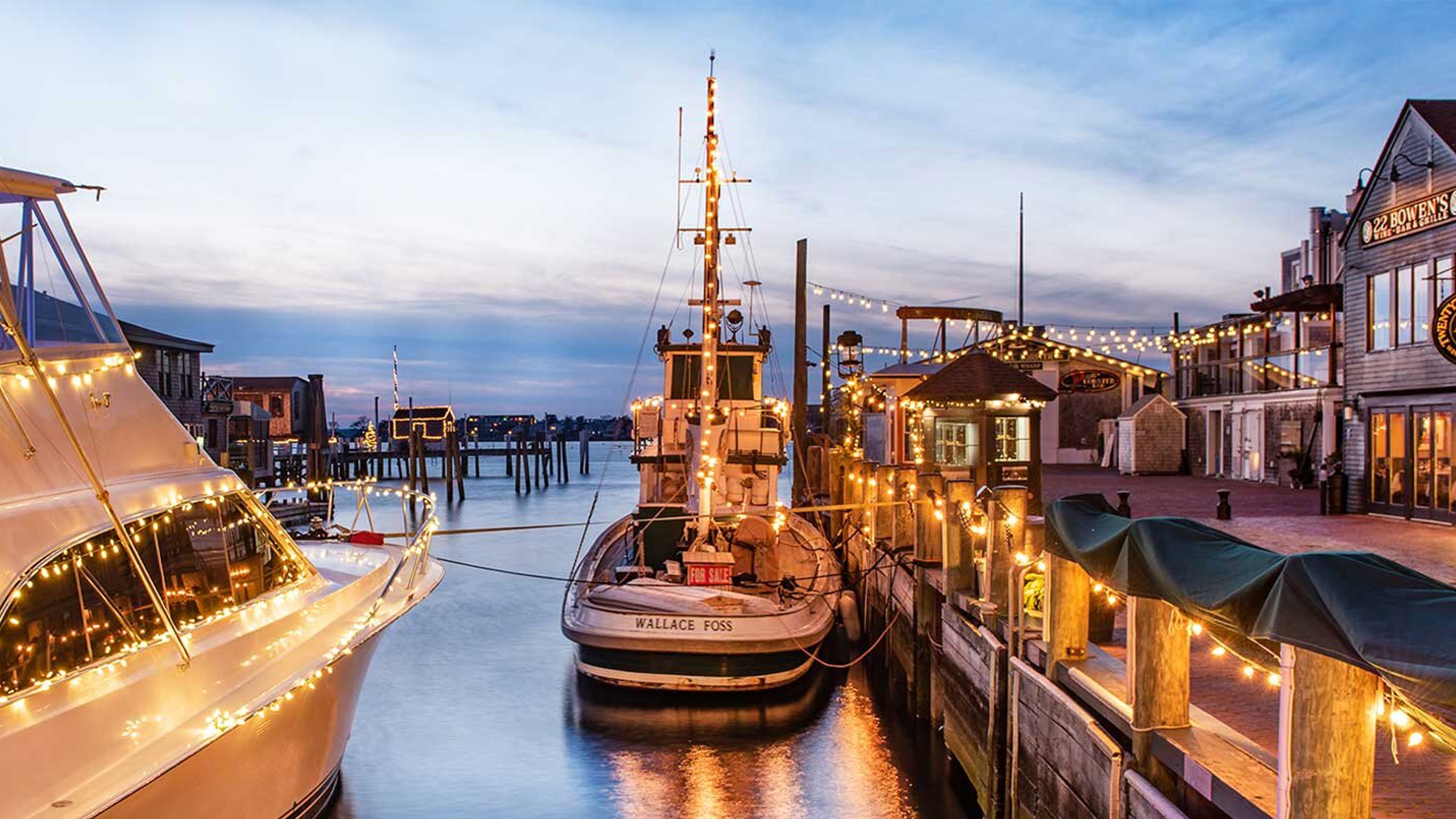 01 · HarborA quiet corner of the Newport waterfront
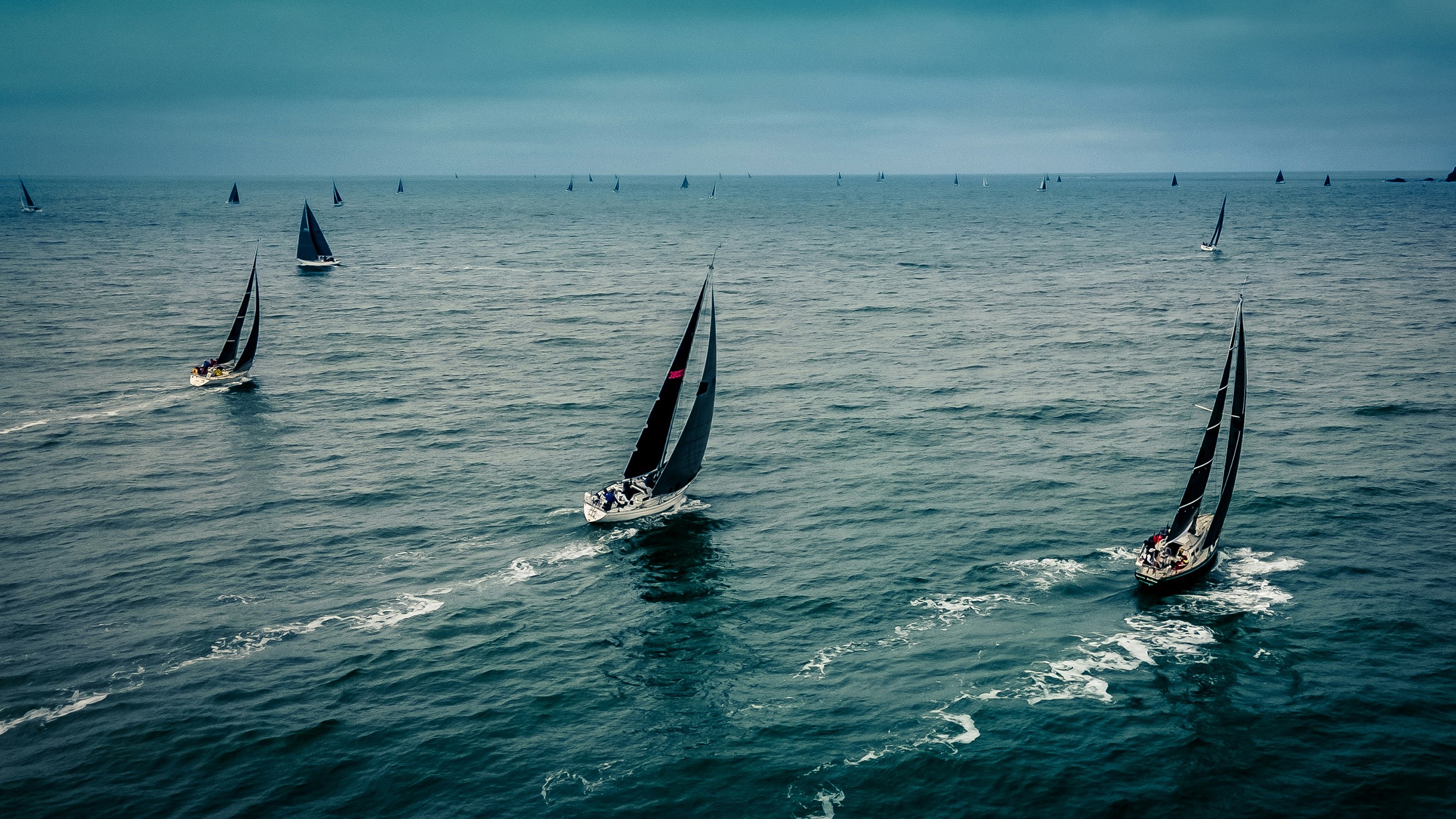 02 · RacingA fleet beating to windward on a summer afternoon
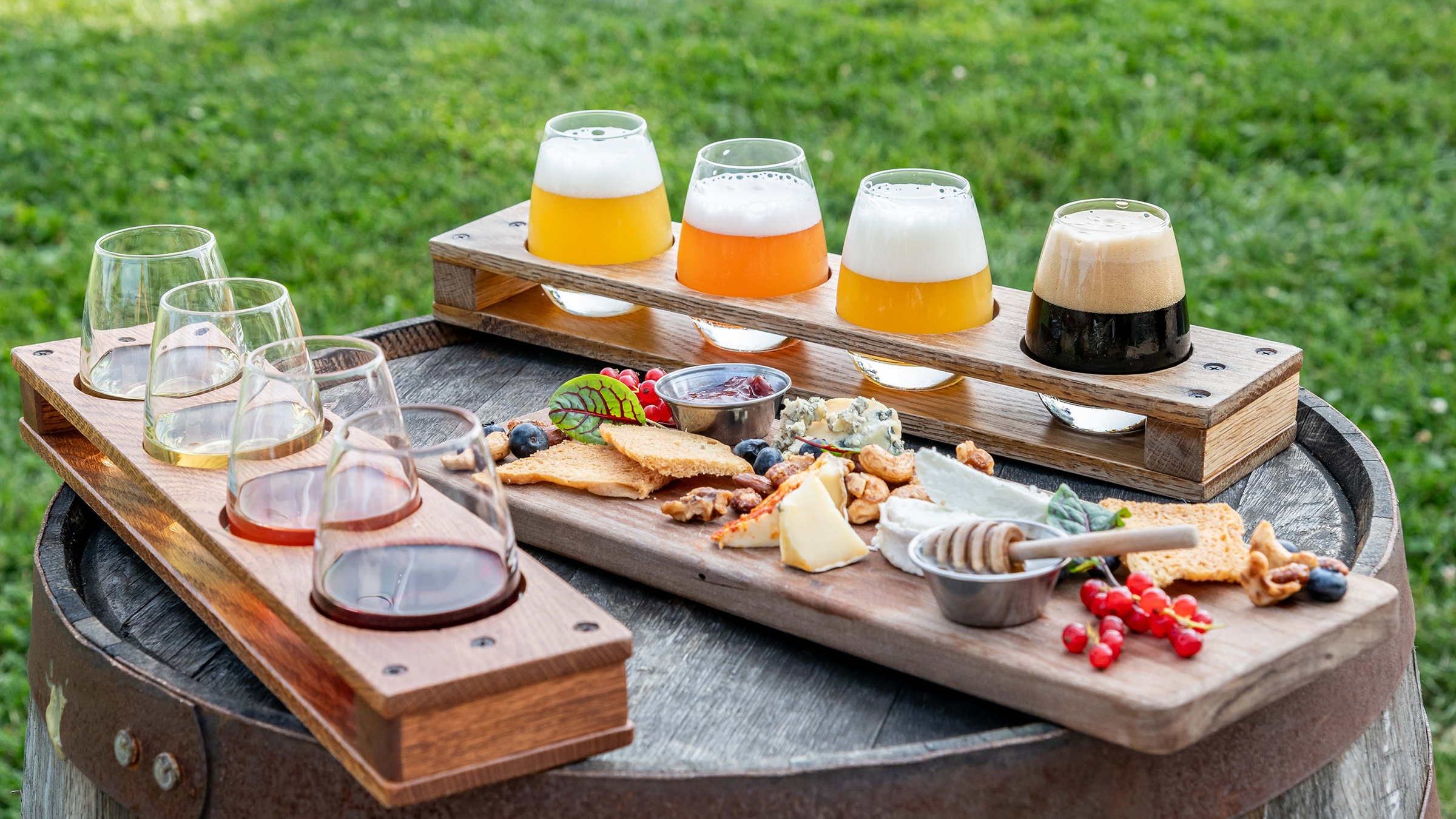 03 · AshoreLocal beer, wine and small plates on the wharf04 · HarborThe harbor tour vessel on its afternoon run
Stay long enough and the pattern reveals itself. The boats go out, the boats come in, and the harbor keeps the time. That is the season, and it is reason enough to come.