

The California Coast,
in Three Movements
From the warm marinas of the south to the cold green water under the Golden Gate, the Pacific edge of the state reads less like a route than a piece in three tempos.
There is no single California coast. There are three, and the pleasure of running it by water is feeling one give way to the next.
Drive it and you see a highway. Sail it and you understand its structure. The cruising route up the Pacific edge of the state divides, almost cleanly, into three movements, each with its own water, its own weather and its own argument for slowing down. To go from San Diego to San Francisco under sail is to pass through three different ideas of what a coast can be.
It is not an easy passage. The prevailing northwesterly means the southbound run is the kind one, and the northbound a working one. But that is part of the appeal. This is a coast that asks something of you, and pays it back in scenery that has few equals anywhere on the continent.
One coast, three different waters
Warm, sheltered and easy. The widest marinas on the coast, a Navy town's deep harbor, and the kind of dependable sunshine that makes the south the natural place to begin.
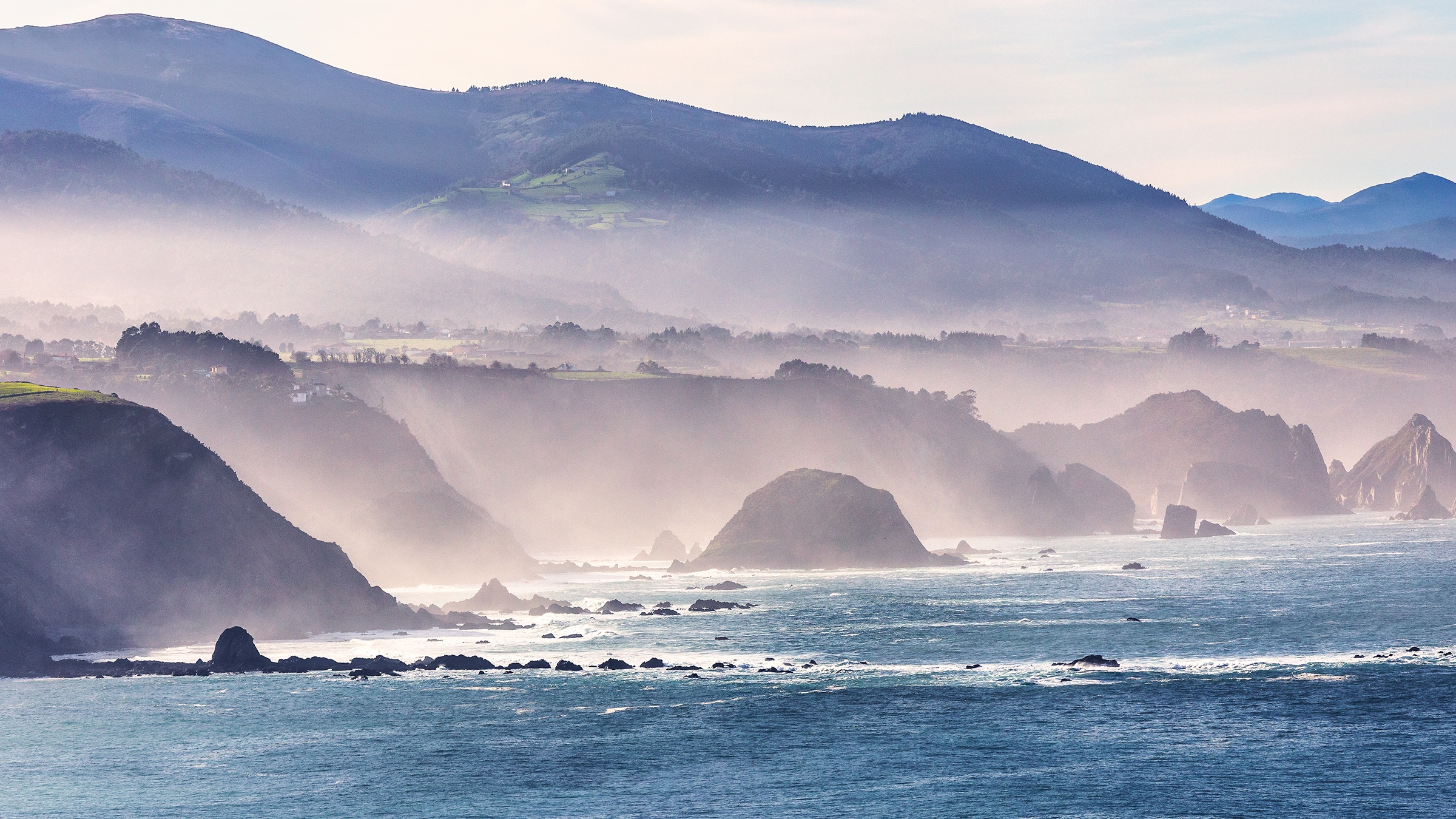
A long, harborless stretch of rock and fog where the mountains fall straight into the sea. Few places to stop, nowhere to hide from the weather, and scenery that justifies every mile of it.
Cold, fast water and the great working bay of San Francisco. The fog rolls in by afternoon, the current runs hard through the Gate, and the coast finally turns urban again.
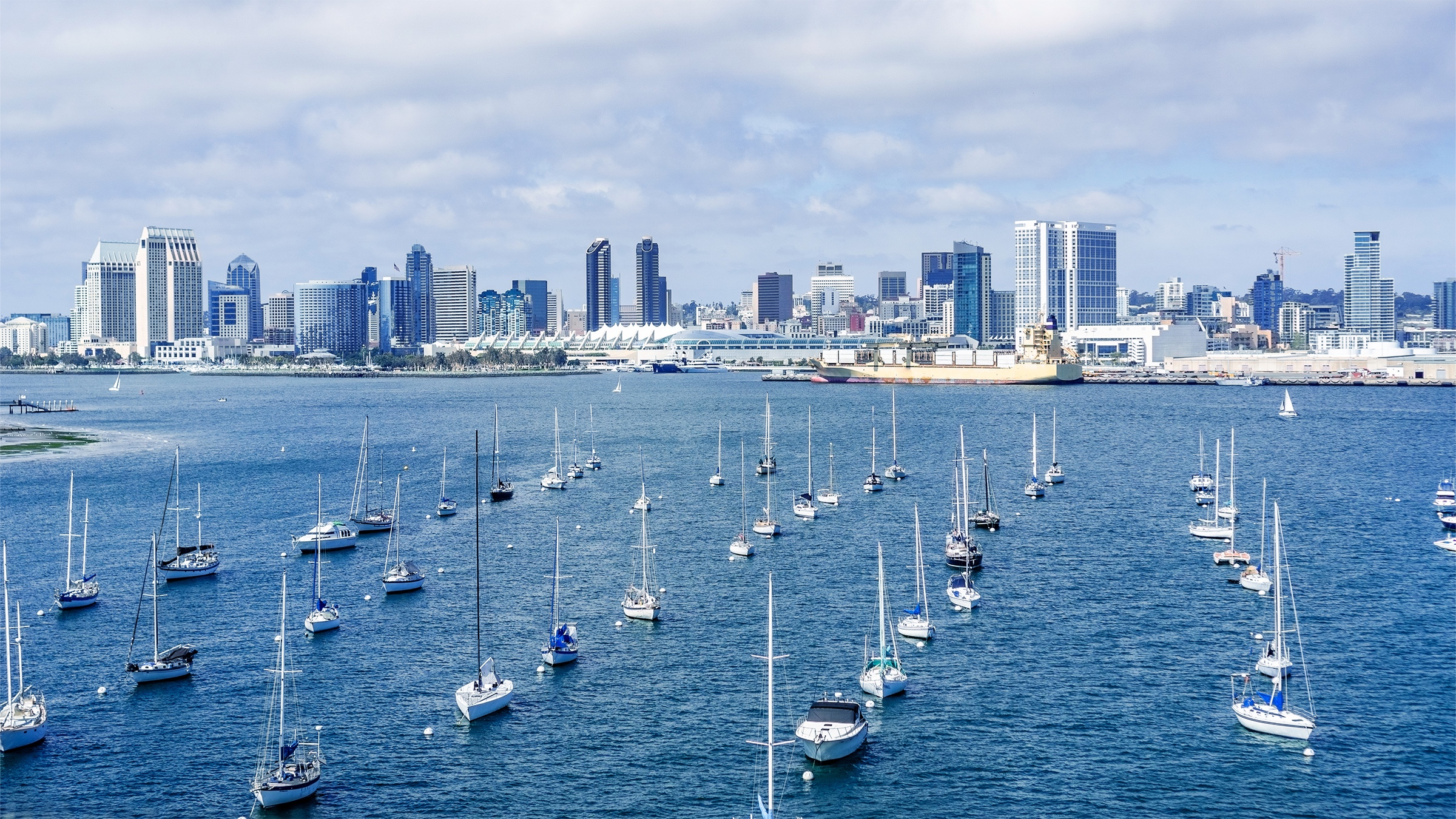
San Diego, where the coast begins gently
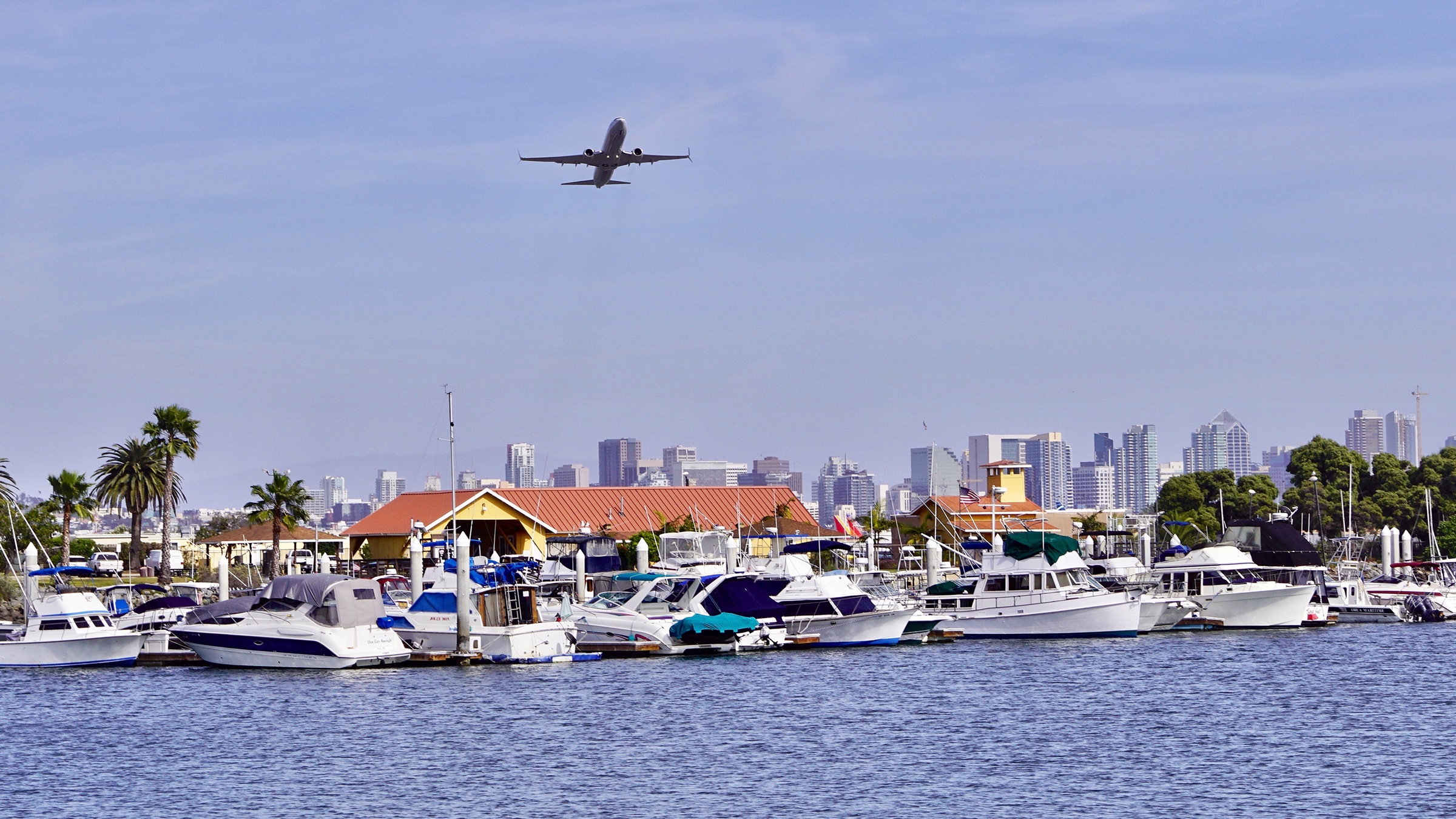
The south of the run is the forgiving part. San Diego Bay is wide, deep and almost always calm, a natural harbor that has sheltered everything from sportfishers to aircraft carriers. The marinas here are among the most generous on the coast, and the weather rarely argues.
It is the right place to begin, because it asks little. A crew can settle in, the boat can be readied, and the long passage north can be approached with the confidence that the hardest water is still days away. South of here the coast softens into Mexico. North of here it begins, slowly, to bare its teeth.
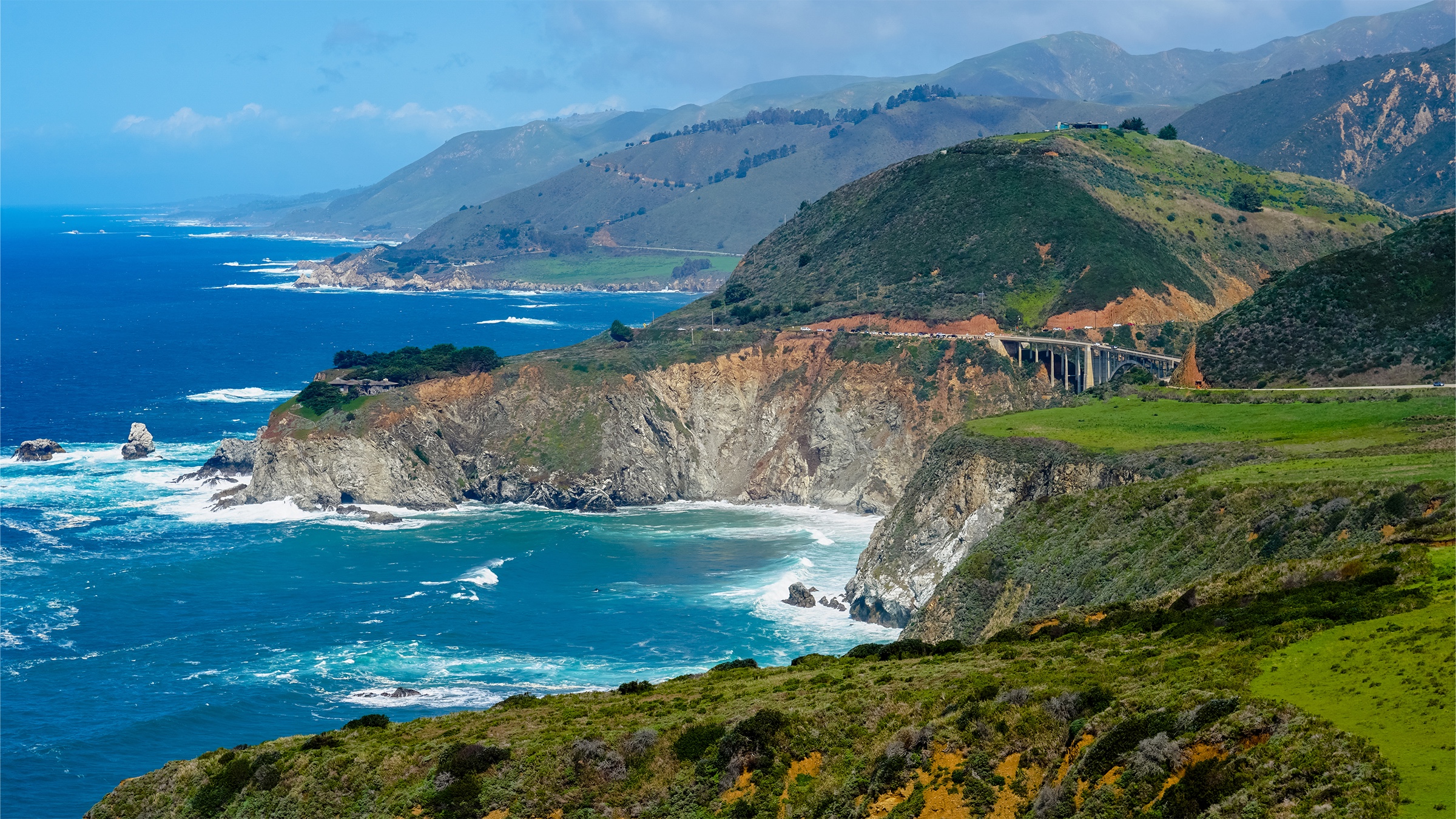
Big Sur, the coast without a harbor
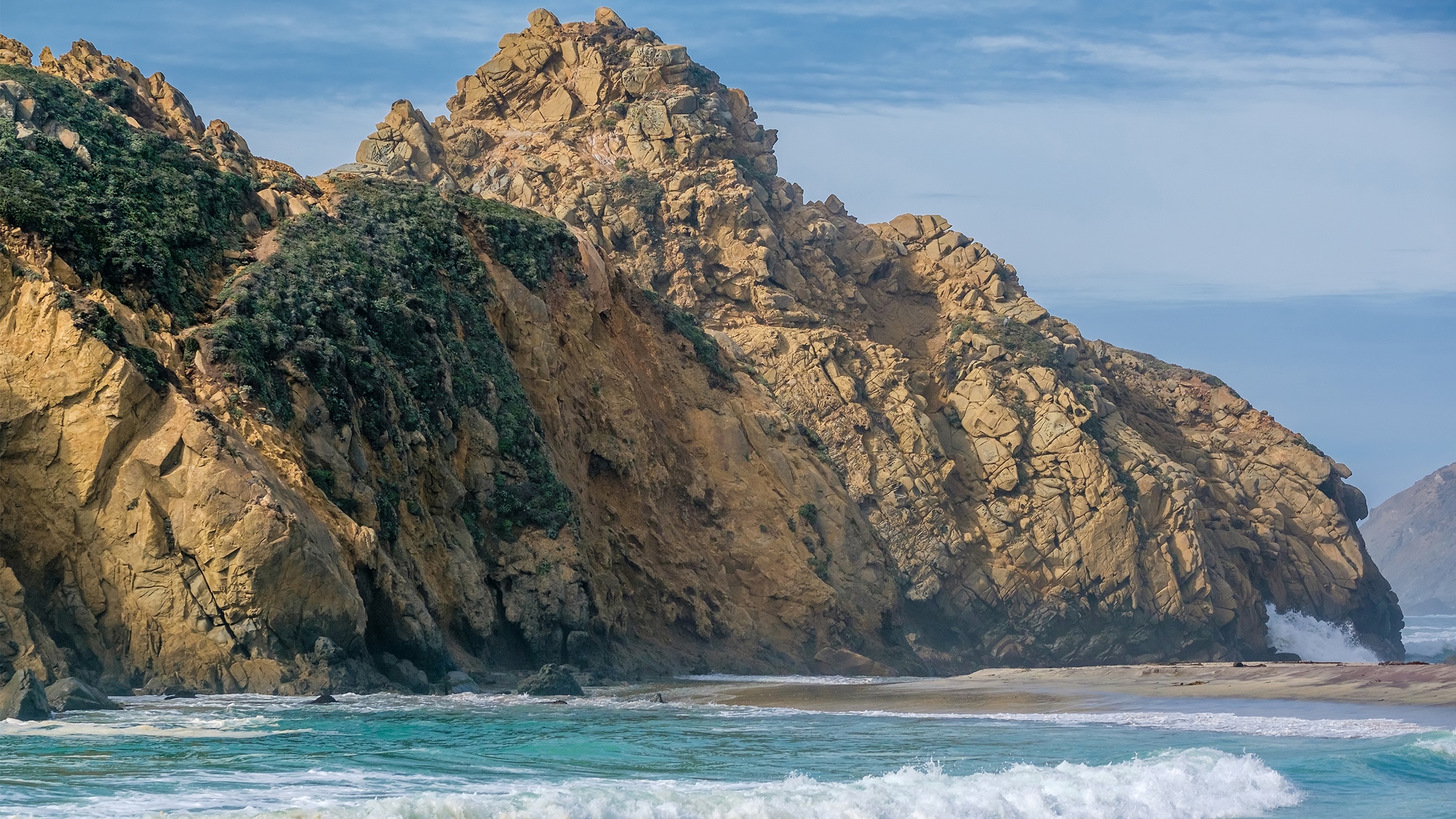
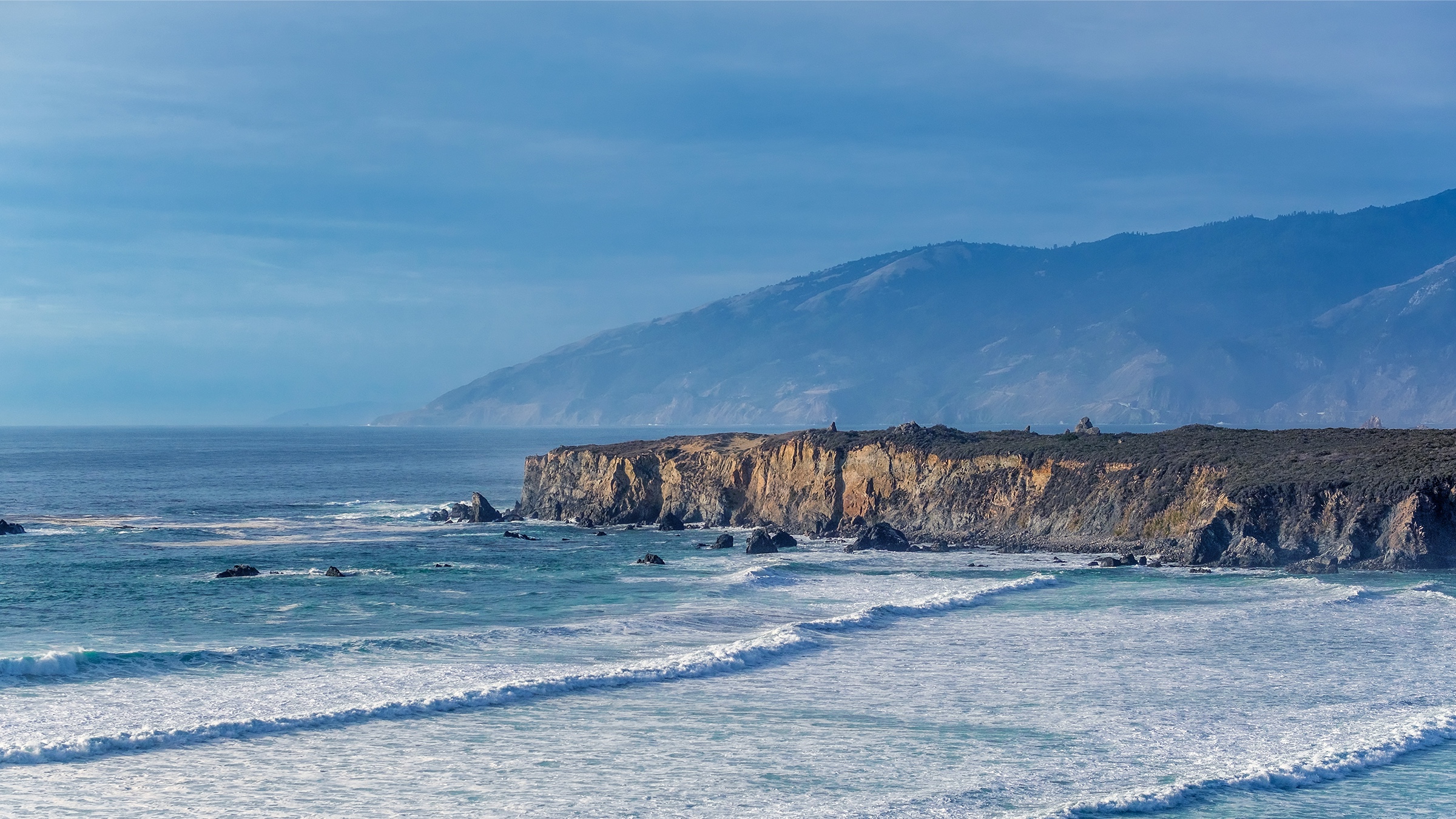
Then comes the part that defines the trip. For roughly ninety miles the land simply stops being hospitable. The Santa Lucia mountains drop straight into the Pacific, there are almost no safe anchorages, and the fog can close in without much warning. This is Big Sur from the water, and it is unlike anything else on the coast.
You do not stop here so much as pass through, watchful and a little humbled. The reward is a shoreline of raw rock, sea stacks and empty beaches that almost no one sees from this angle. It is the wild movement, the one the whole passage is really about.
San Francisco, where the water turns cold
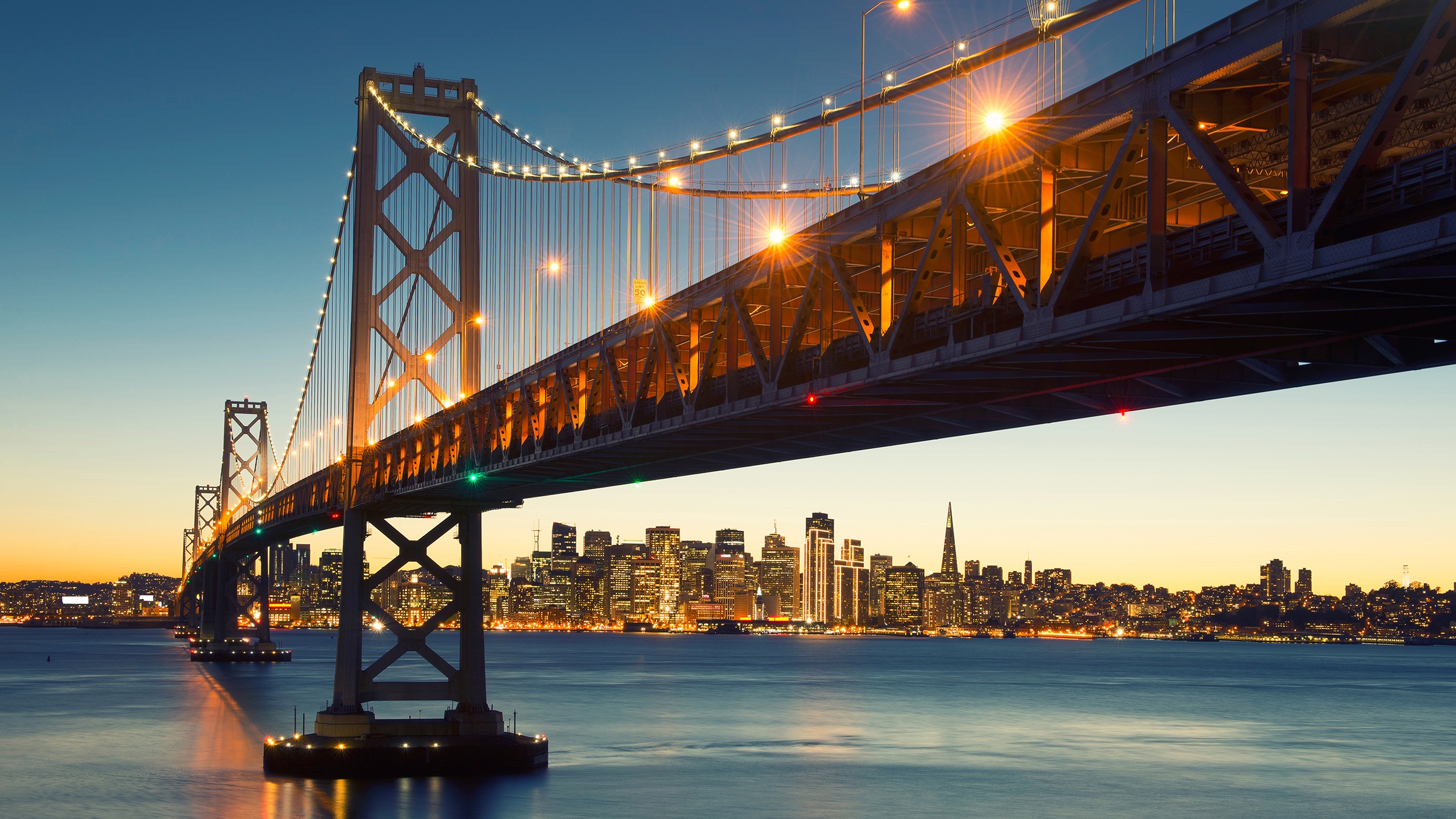
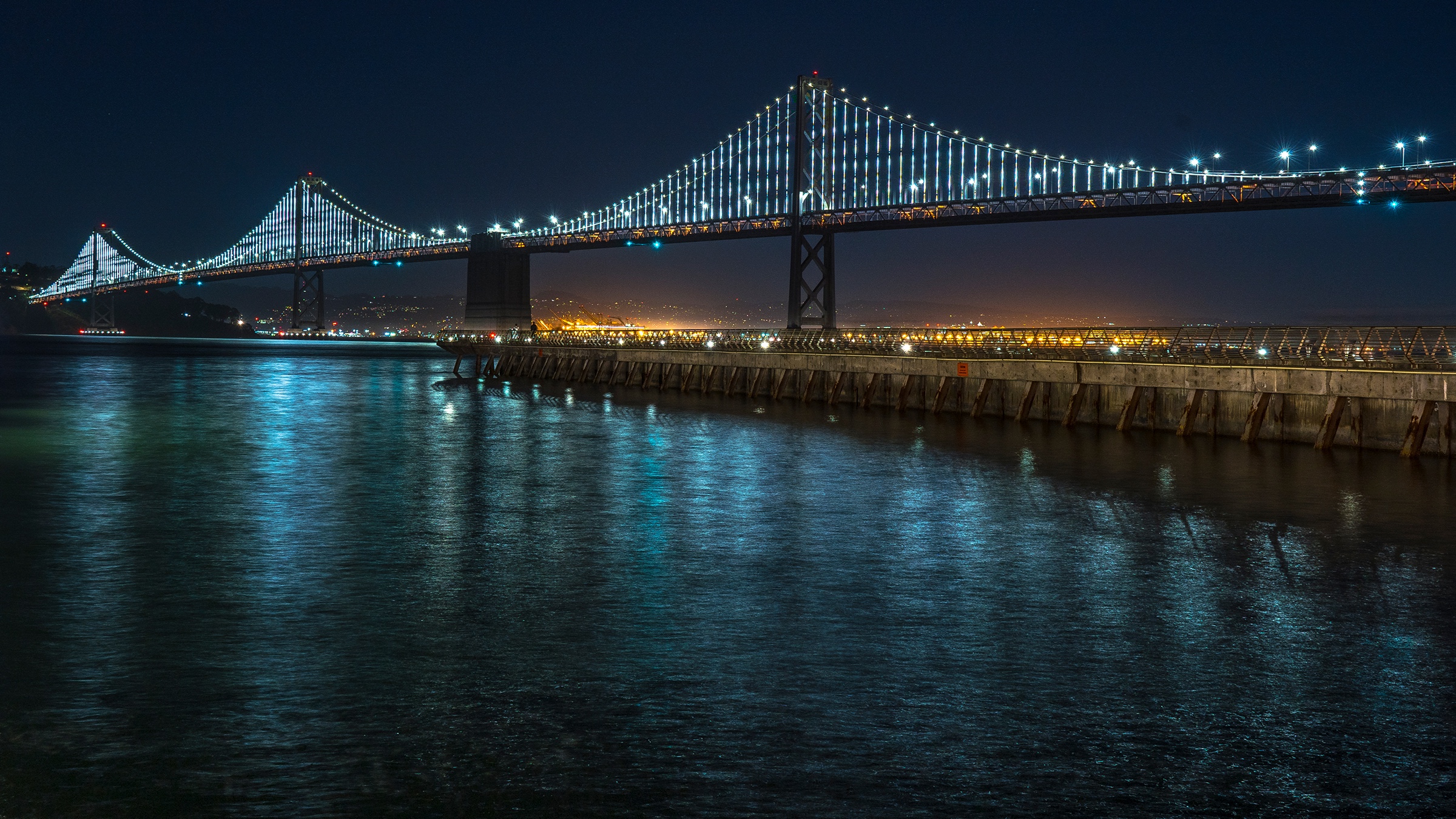
The third movement announces itself by temperature. The water cools, the wind builds, and the fog that was occasional in the center becomes a daily afternoon event. Then the headlands open and the great bay reveals itself, with its bridges, its traffic and its hard, fast current pouring through the Golden Gate.
After the silence of Big Sur, San Francisco is a return to the world. It is a true working harbor, busy with everything from container ships to weekend racers, and it makes a fitting close: the coast handing you back to the city, a little changed by what came between.
Three movements, in pieces
Drive this coast and you see a highway. Sail it and you understand it.
USA Onboard EditorialThree waters, one passage
What stays with you is not any single stretch but the change between them. The warm ease of the south, the wild silence of the center, the cold rush of the north: three movements of one long piece, played in order. Run it slowly enough and the coast tells you, plainly, where you are.
Scenes from the passage
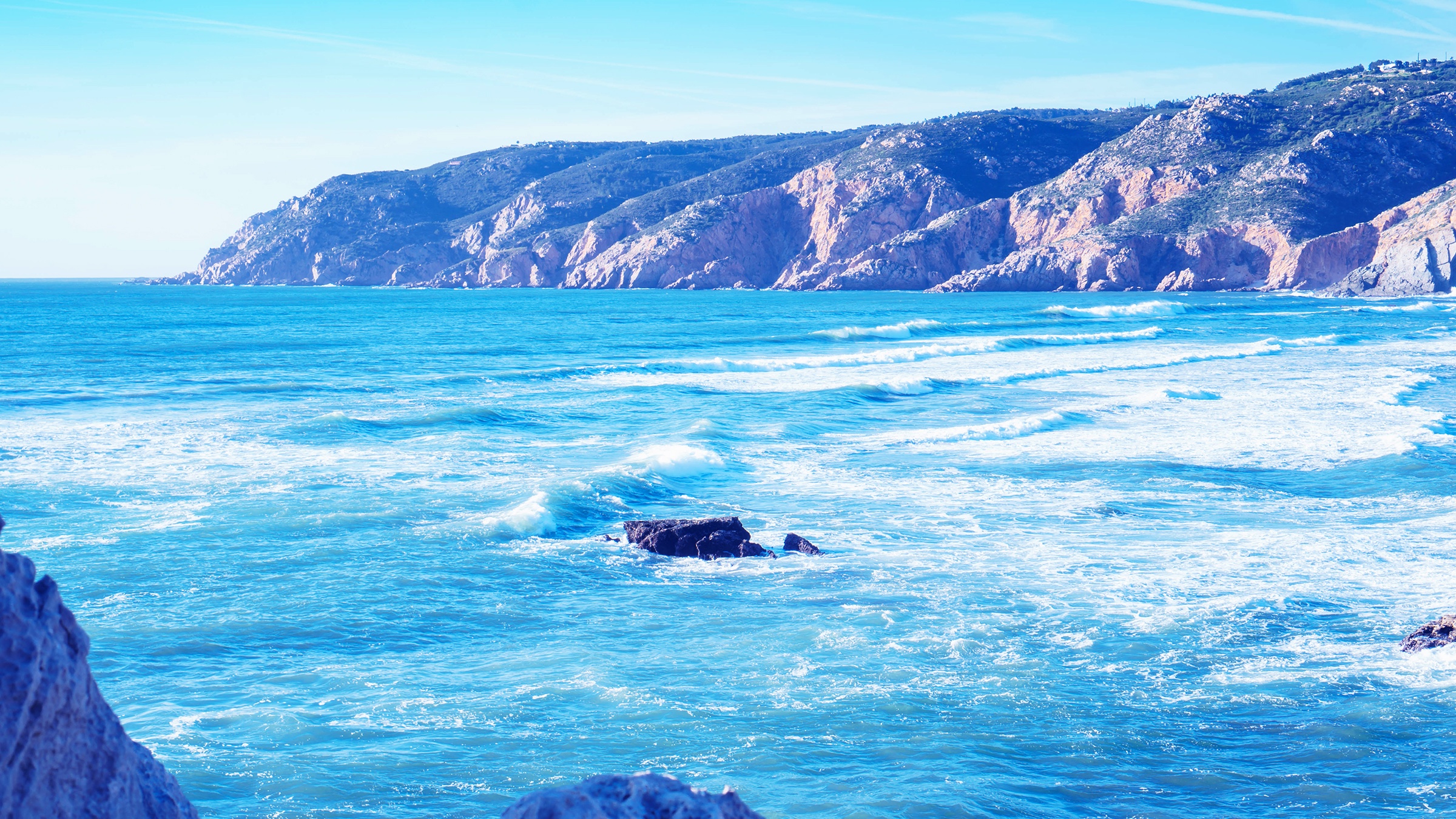 01 · The WildA rocky cove on the open coast
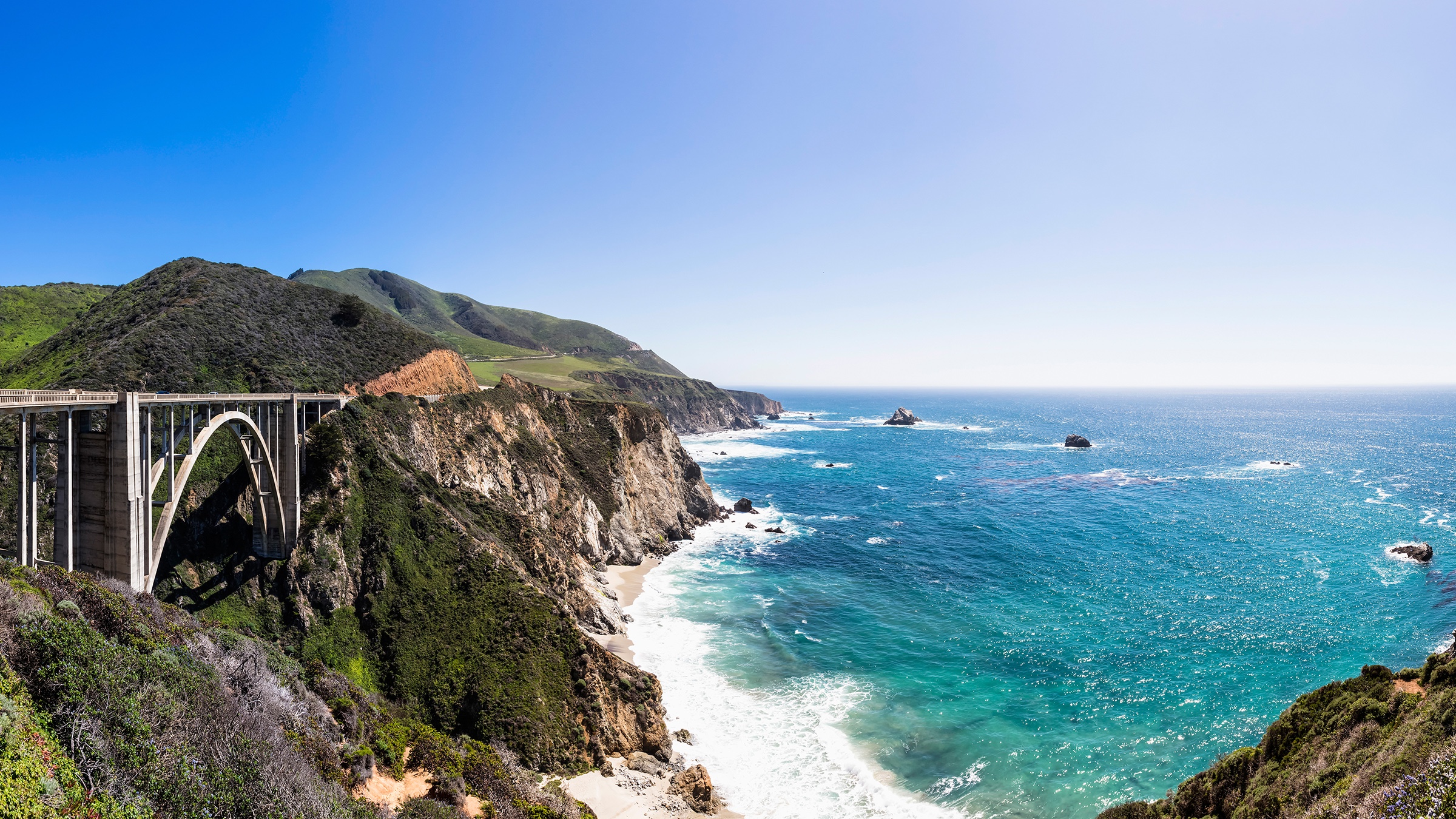 02 · The CenterThe Big Sur shoreline from above
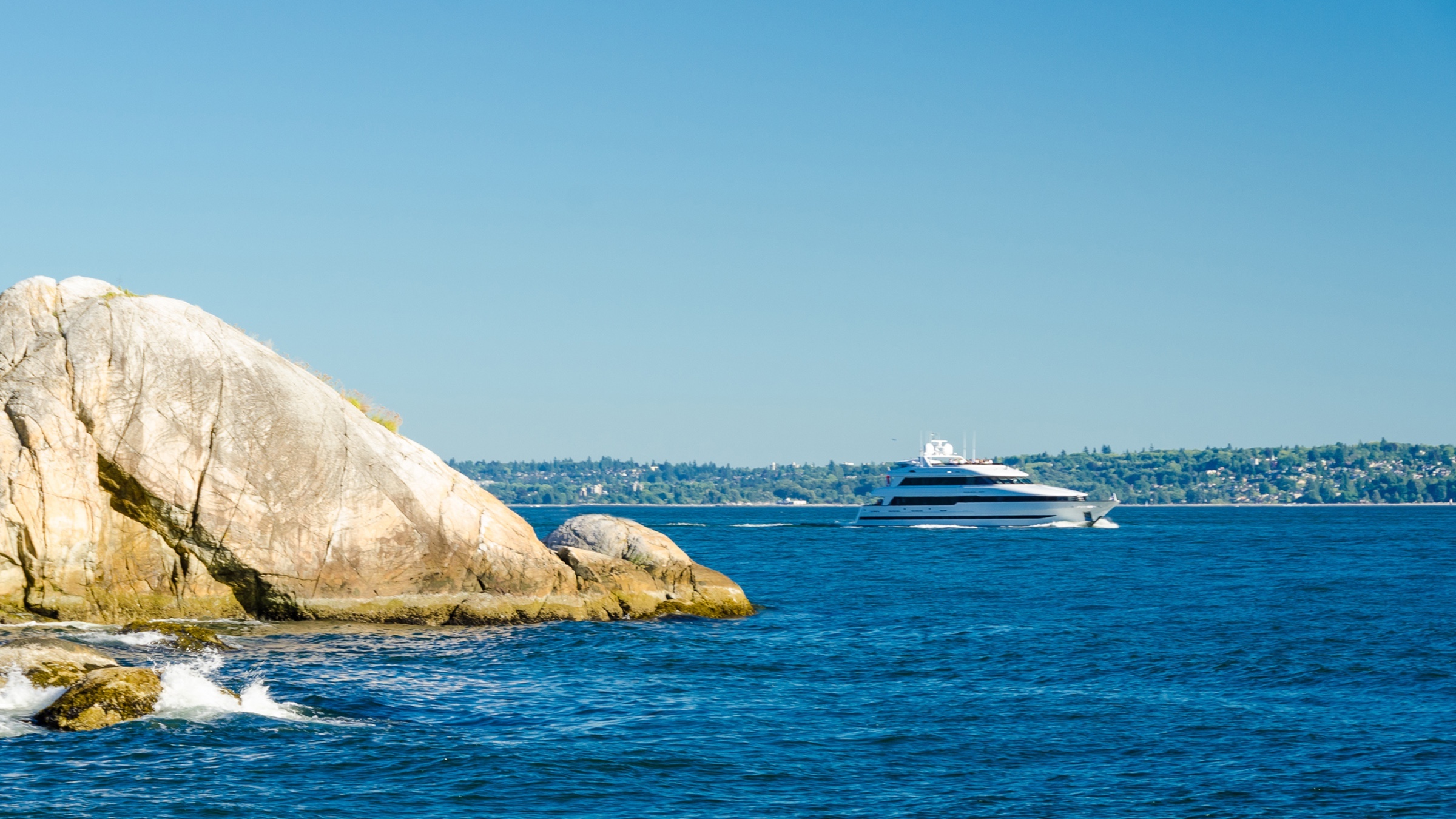
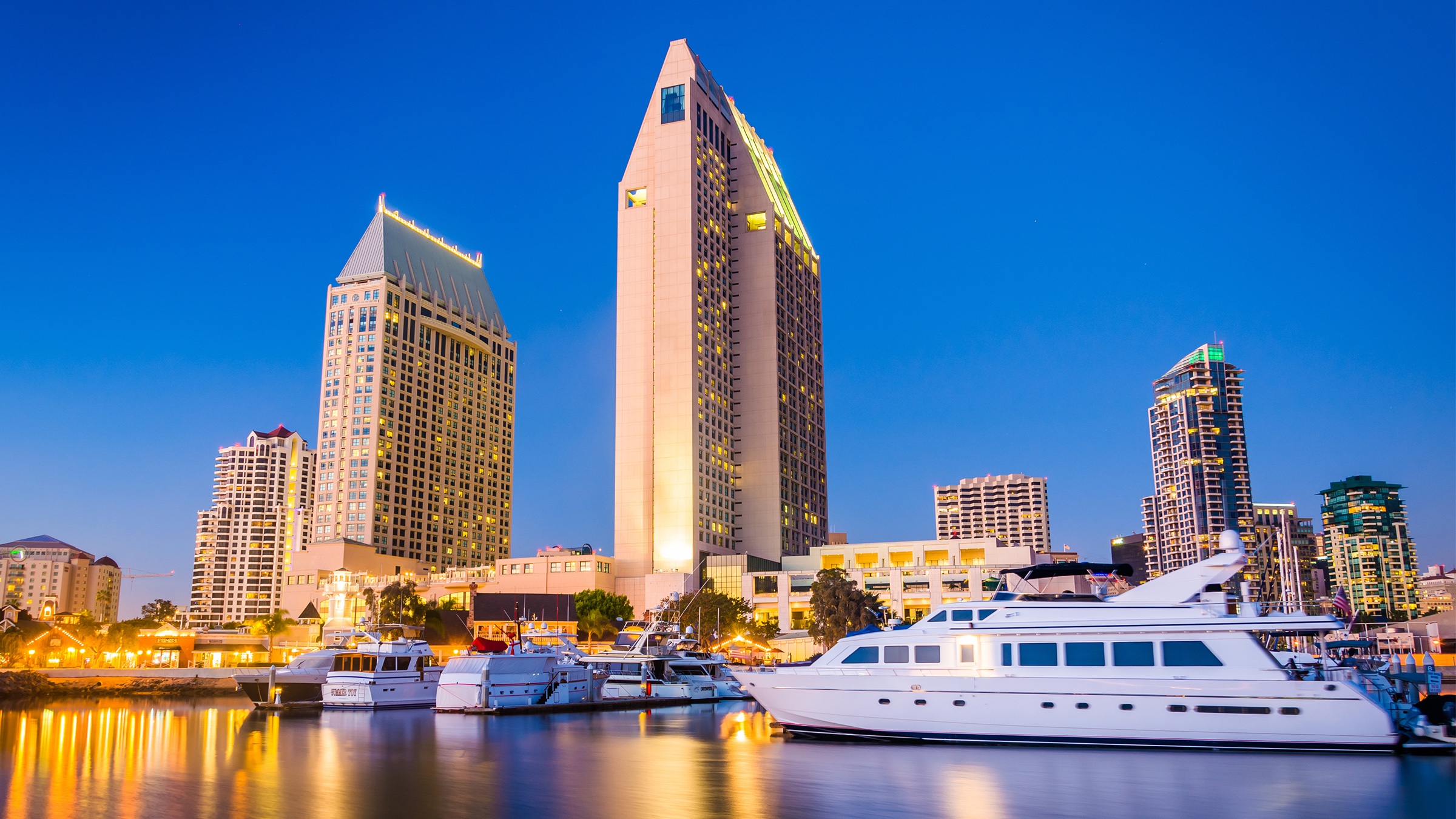 03 · The SouthThe southern skyline at night, boats at rest
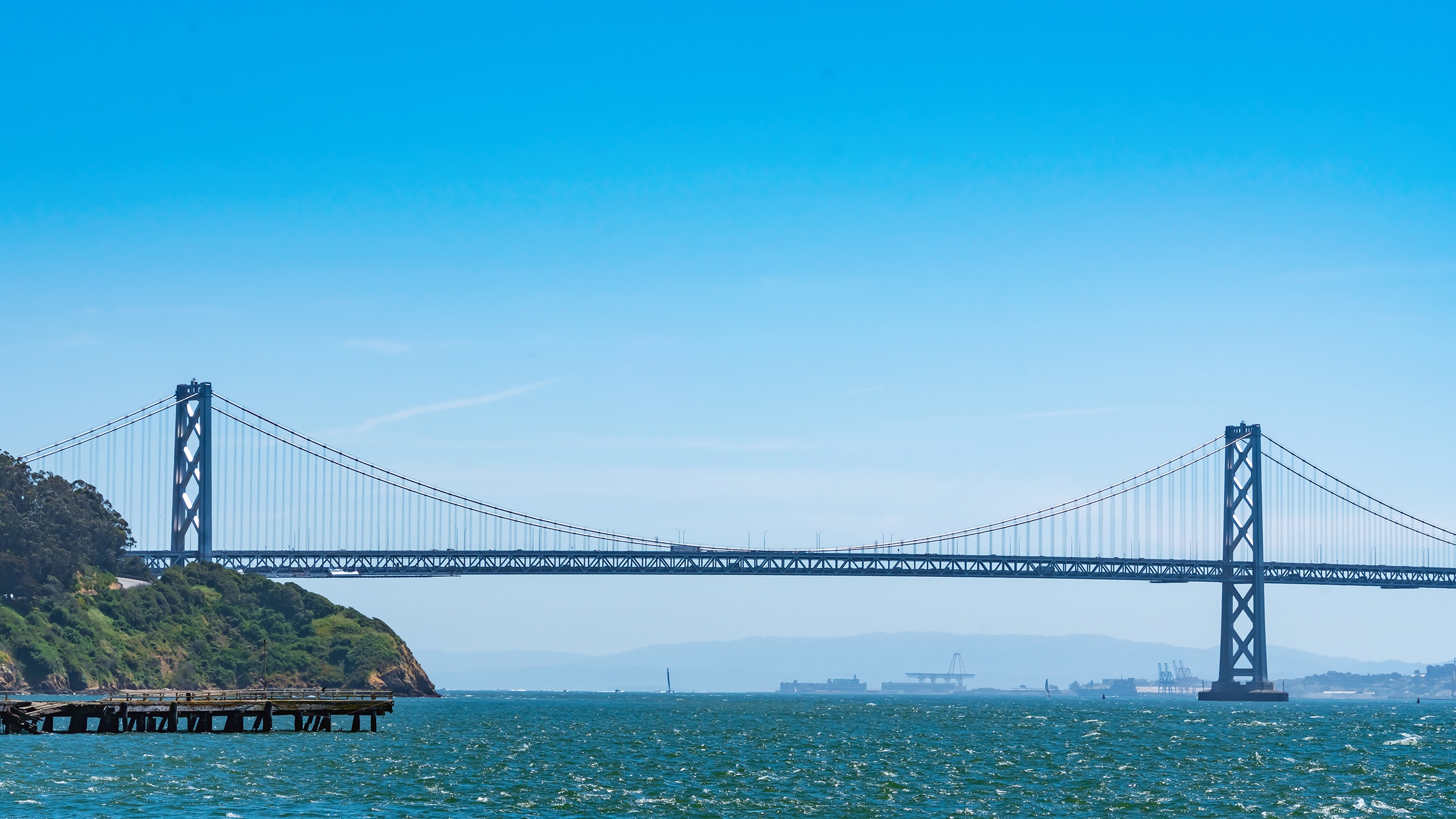 04 · The NorthThe northern bridge and its harbor
Begin in the sun, pass through the fog, finish in the cold rush of the Gate. Few coasts ask as much, and fewer still give back so completely. That is California from the water, in three movements.