




The Connected
Boat
A modern helm glows like a cockpit, and a satellite dish on the hardtop now does what a marina phone once did. The boat has quietly become the most connected room its owner has.
Not long ago, leaving the dock meant leaving the grid. Charts were paper, weather was a forecast heard before departure, and being out of touch was simply part of going to sea. That boat still exists, but it is no longer the default. The modern vessel is a connected one, and the change runs far deeper than streaming a film at anchor.
Two revolutions arrived at once. The first was at the helm, where paper charts gave way to networked displays that fuse GPS, radar, sonar, AIS and engine data into a single moving picture of the boat and everything around it. The second was overhead, where low-orbit satellite service turned the open ocean into something close to a home network. Together they have remade what it means to be aboard.
This is a look at that connected boat in three parts: the bridge, where the boat understands itself; the link, where it reaches the wider world; and life aboard, where all of it quietly resolves into something simpler, which is the freedom to be anywhere without being out of reach.
How a boat stays connected
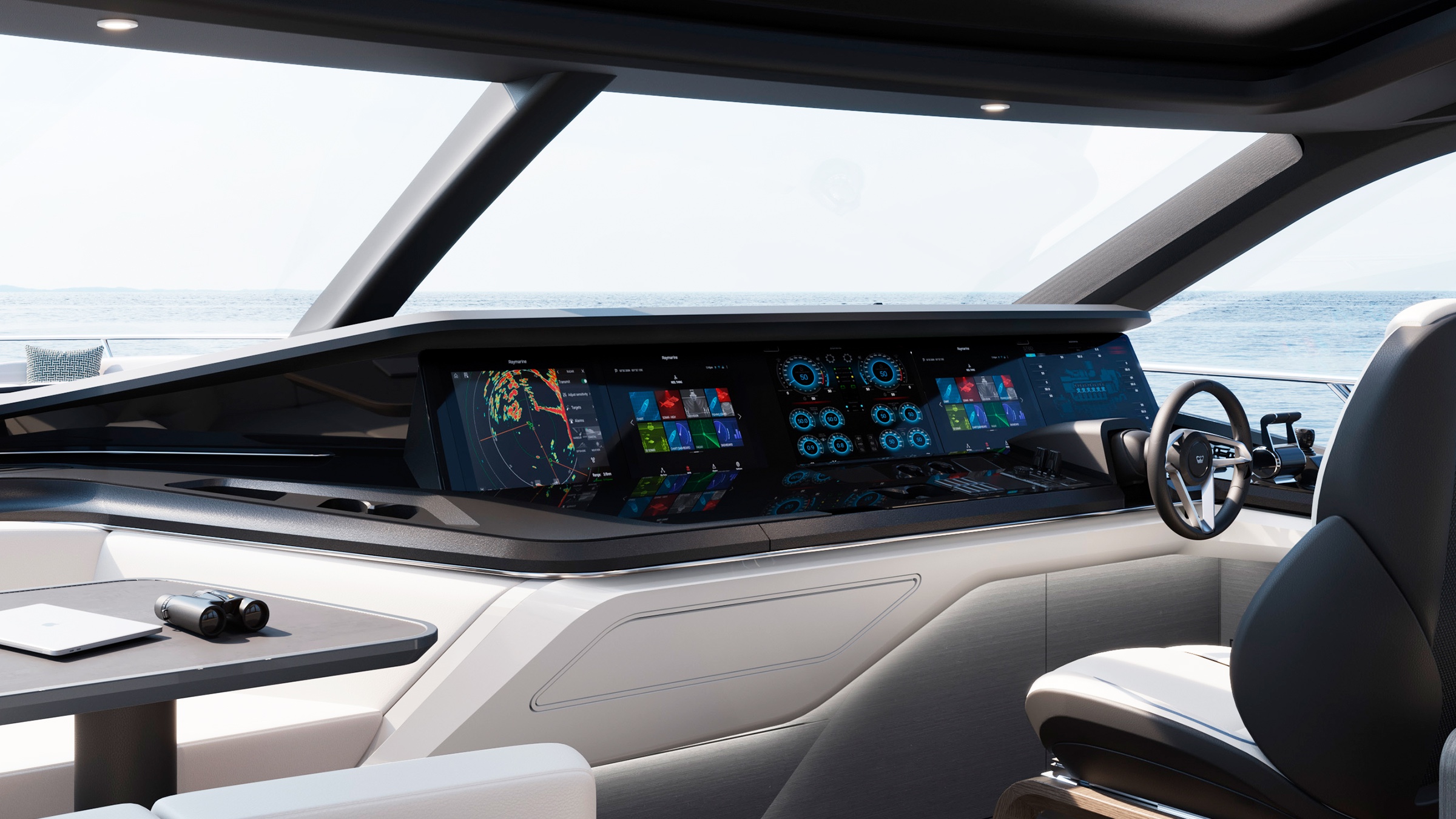
Networked displays fuse chart, radar, sonar and engine data into one picture. The helm is now where the boat understands itself and its surroundings.
Antennas, radar arches and low-orbit satellite dishes reach beyond the horizon, turning the open sea into something close to a home connection.
What the systems add up to: weather routed live, the boat monitored from ashore, and the simple freedom of being anywhere without being unreachable.

Where the boat understands itself
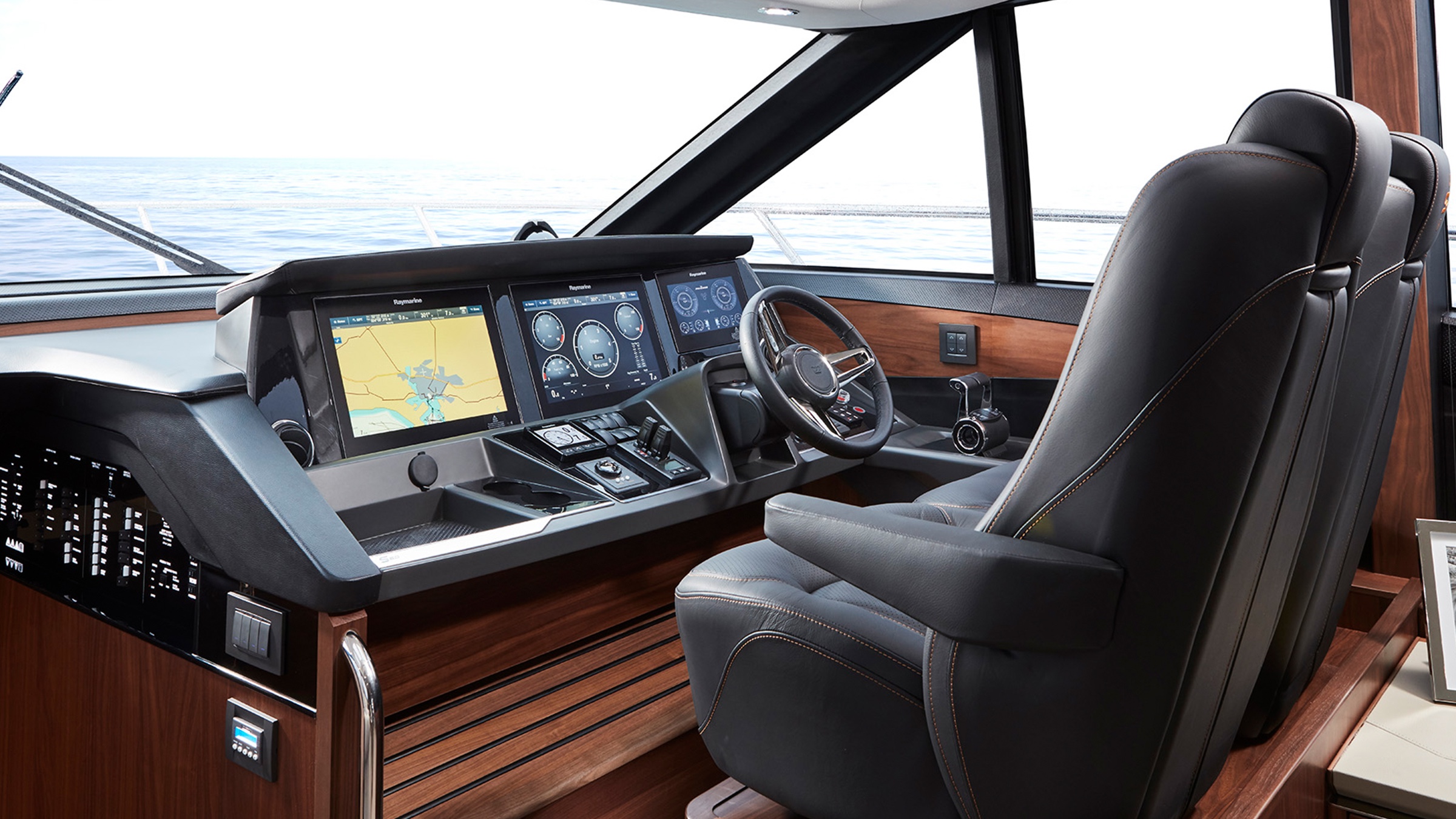
The modern helm is a glass cockpit. Where a wheel, a compass and a depth sounder once sufficed, a row of networked multifunction displays now presents the boat as a single integrated picture: chart and position on one screen, radar and traffic on another, engine performance and fuel burn on a third. Nothing is read in isolation. Everything is cross-referenced, layered, and updated in real time.
The gain is situational awareness. A captain can see, at a glance, the depth under the keel, the vessel converging from astern, the squall building twenty miles out, and the fuel to reach the next harbor, all at once. The display does not make the decisions, but it removes the guesswork that used to fill the space between instruments, and that margin is where safety lives.

Reaching beyond the horizon
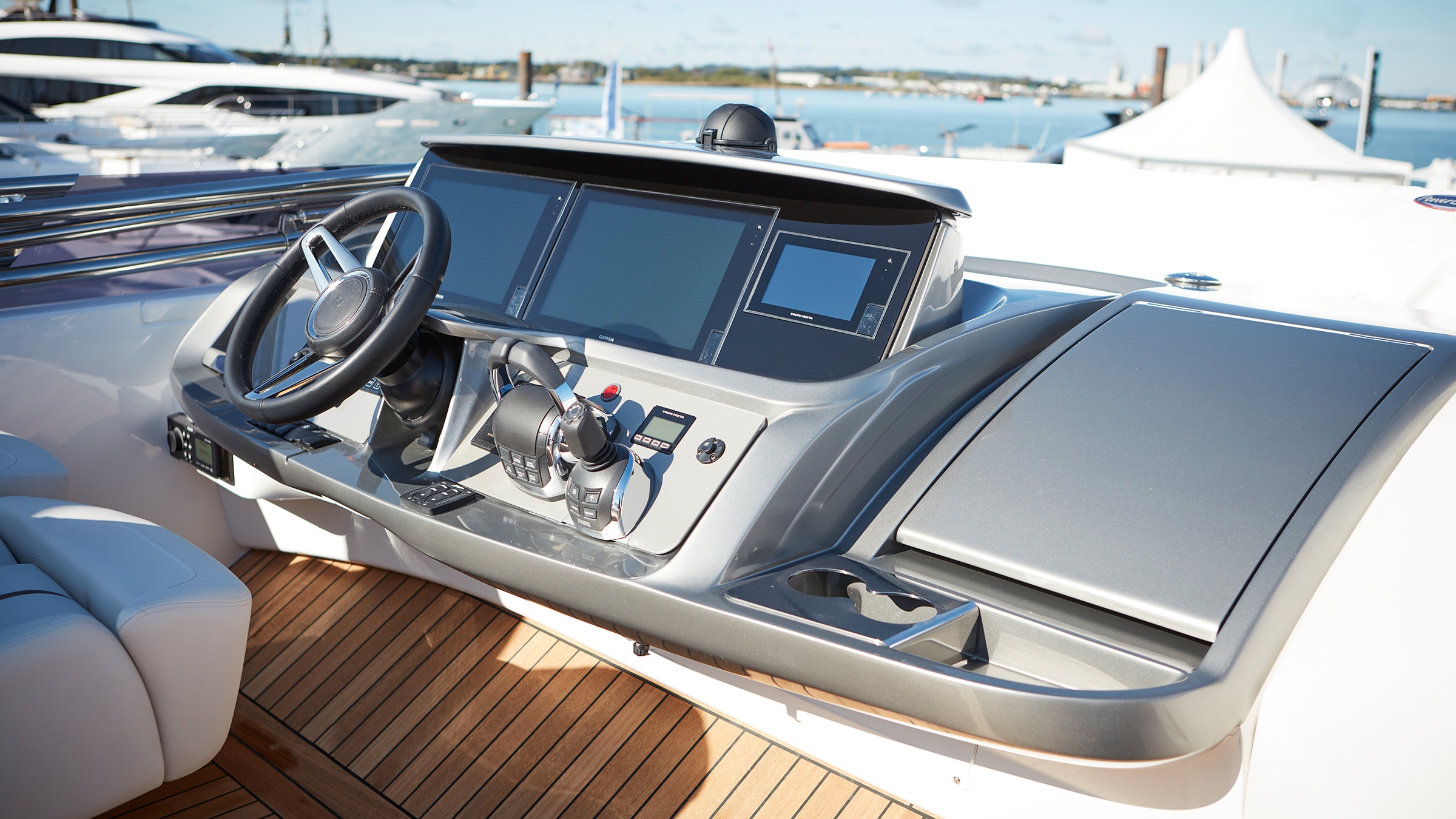
If the bridge is how the boat sees itself, the link is how it reaches everything else. The arch, the mast and the radome carry an increasingly dense array of antennas: VHF and AIS for the near field, cellular for the coast, and, the change that has rewritten the rules, low-orbit satellite dishes that deliver genuine broadband far offshore.
The arrival of low-earth-orbit service is hard to overstate. For decades, offshore connectivity meant slow, costly, latency-bound satellite links reserved for the largest yachts. Now a compact dish on the hardtop delivers speeds that rival a home connection, hundreds of miles from land, at a price an ordinary cruising boat can carry. The horizon stopped being the edge of the network.
The chart that follows you aboard
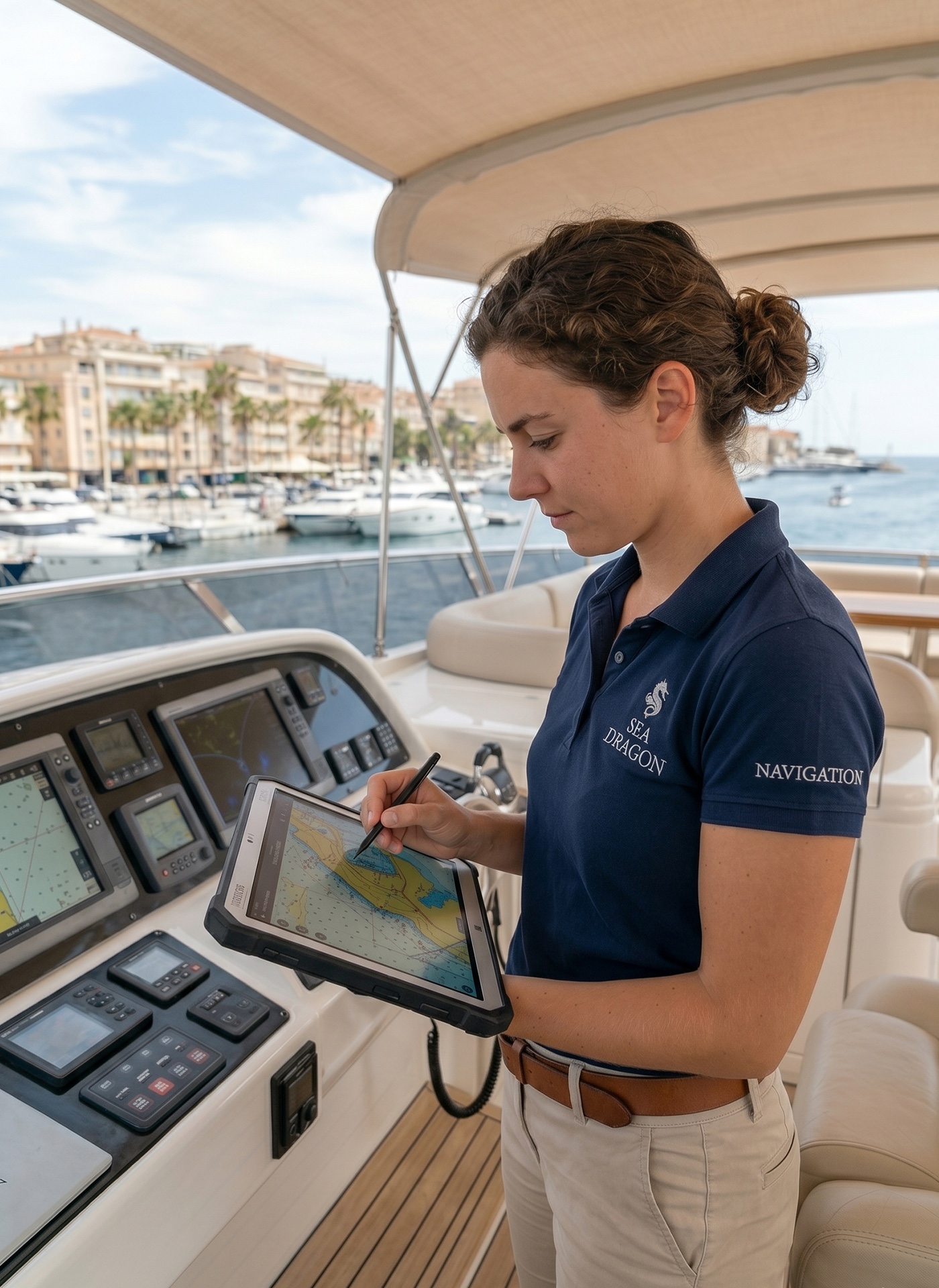
The networked helm no longer ends at the console. The same chart, radar and instrument data now mirror to a tablet or a phone, so the person conning the boat from the flybridge, the cockpit, or the bow sees exactly what the helm sees. Anchor watch, route, depth and AIS travel in a pocket, and a crew member setting the hook on the foredeck can watch the swing circle in real time.
This portability changes how a boat is handled. Docking, anchoring and close-quarters maneuvering, once managed by shouted distances and hand signals, are now informed by a shared, identical picture across the whole crew. The data left the helm and spread through the boat, and the boat became easier to run because of it.
Screens that read the sea
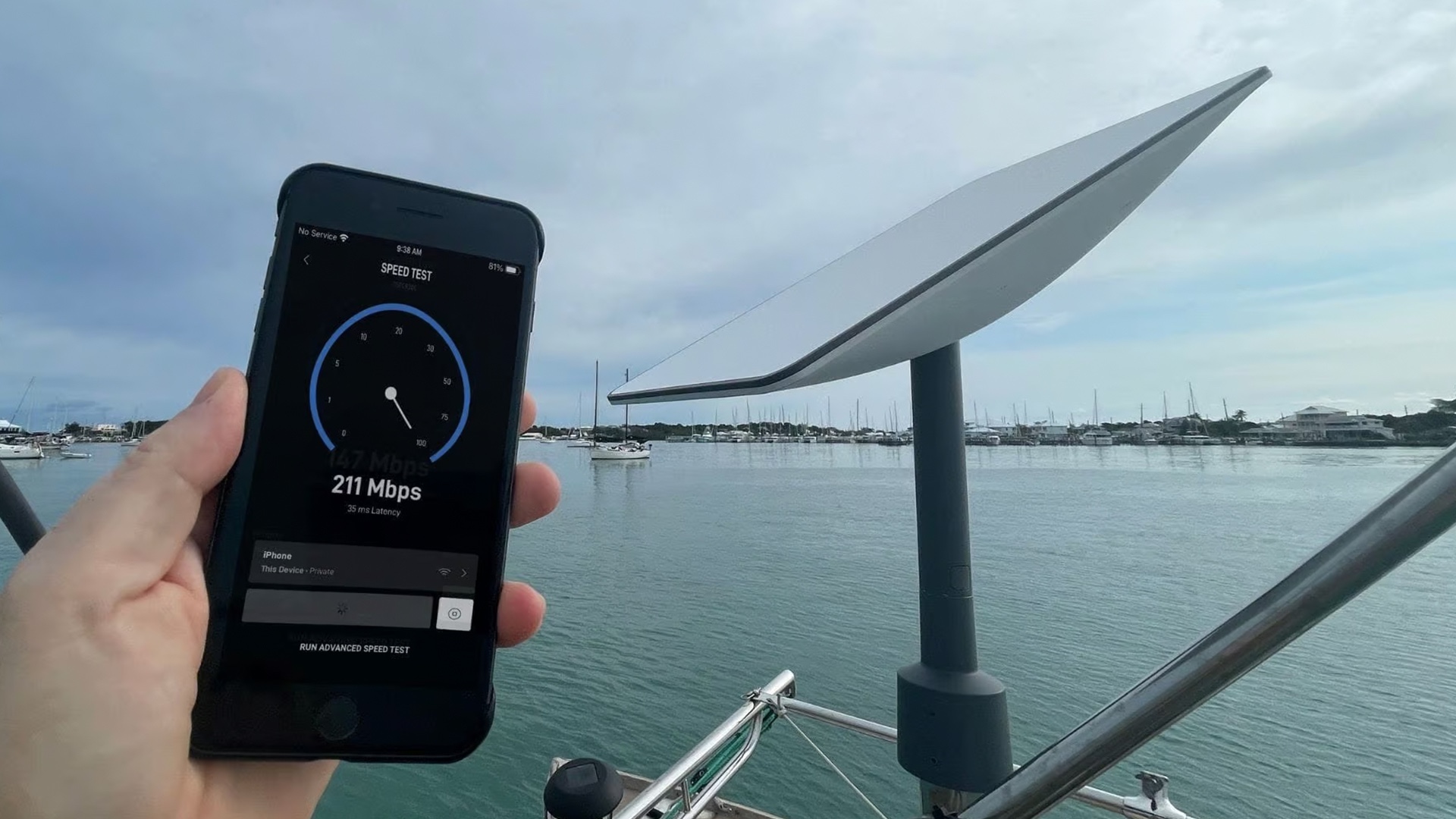
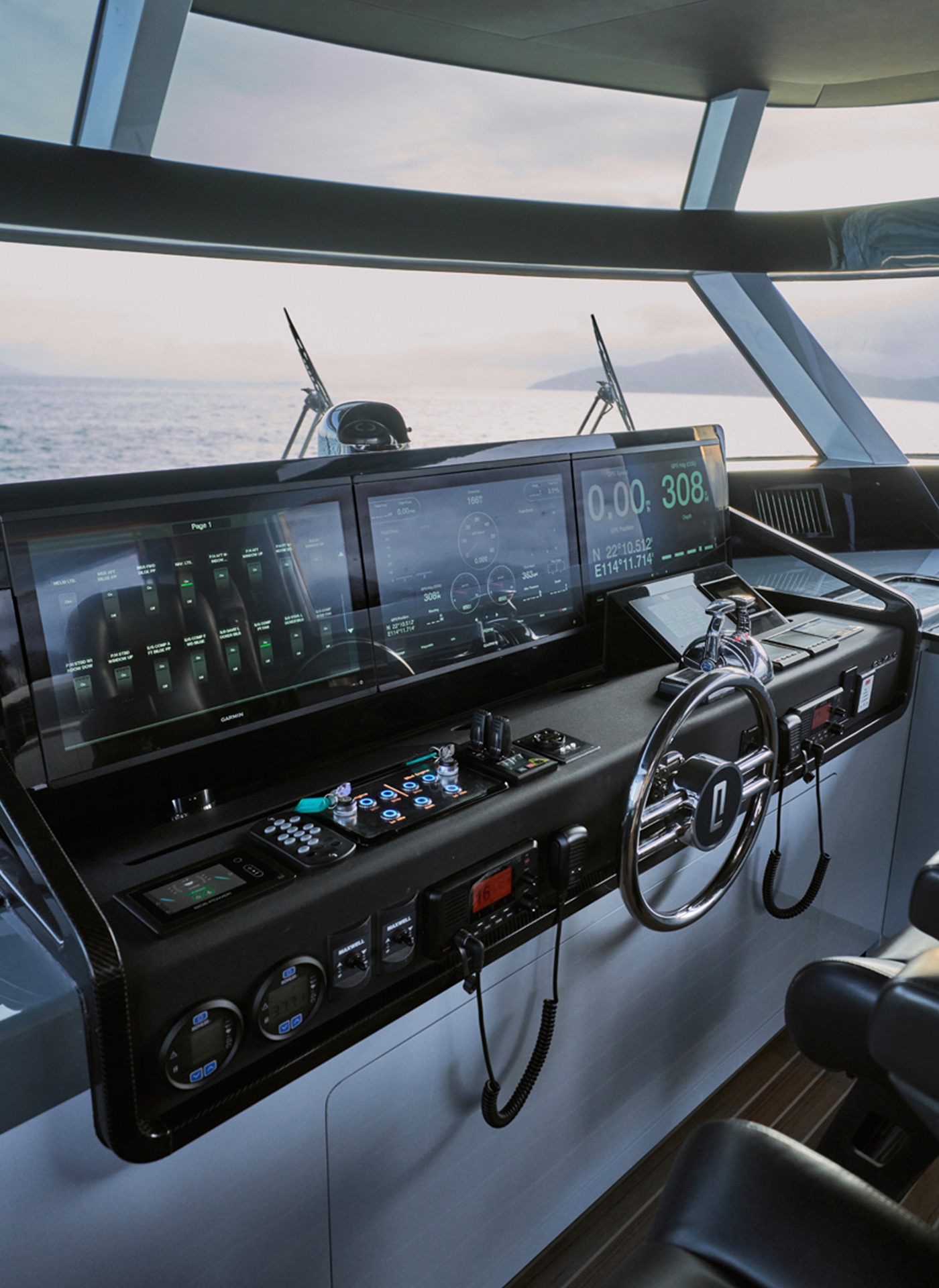
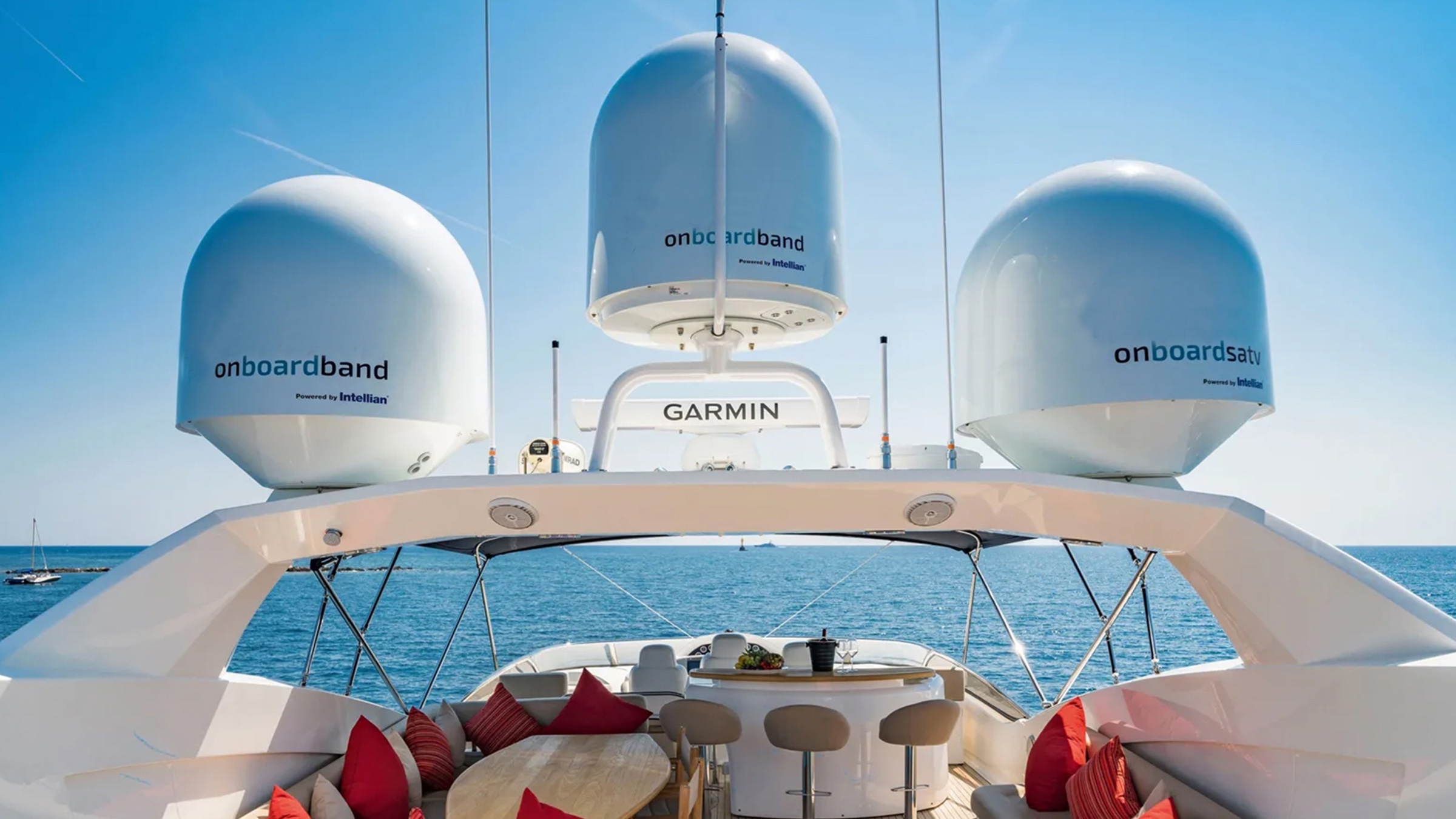
The horizon used to be the edge of the network. For the connected boat, it is just another point on the chart.
USA Onboard EditorialWhat the connection actually buys
Strip away the hardware and the point of all of it is simple: the boat can now be anywhere without being out of reach. Weather routing updates live, so a passage is planned against the sky as it actually is rather than as it was forecast at the dock. Systems report themselves, so a bilge alarm or a low battery reaches the owner's phone whether they are aboard or ashore. The work that the connection does is mostly quiet, and mostly about peace of mind.
There is a cultural shift inside it, too. A connected boat lets people who could never before disappear for a week aboard do exactly that, because the office travels with them. Whether that is a gain or a loss is a fair debate, and the wise owner still chooses, on the right evening, to leave the screens dark. But the choice is now theirs to make. The sea stopped imposing disconnection, and handed the decision back to the person at the helm.
From the helm to the anchorage
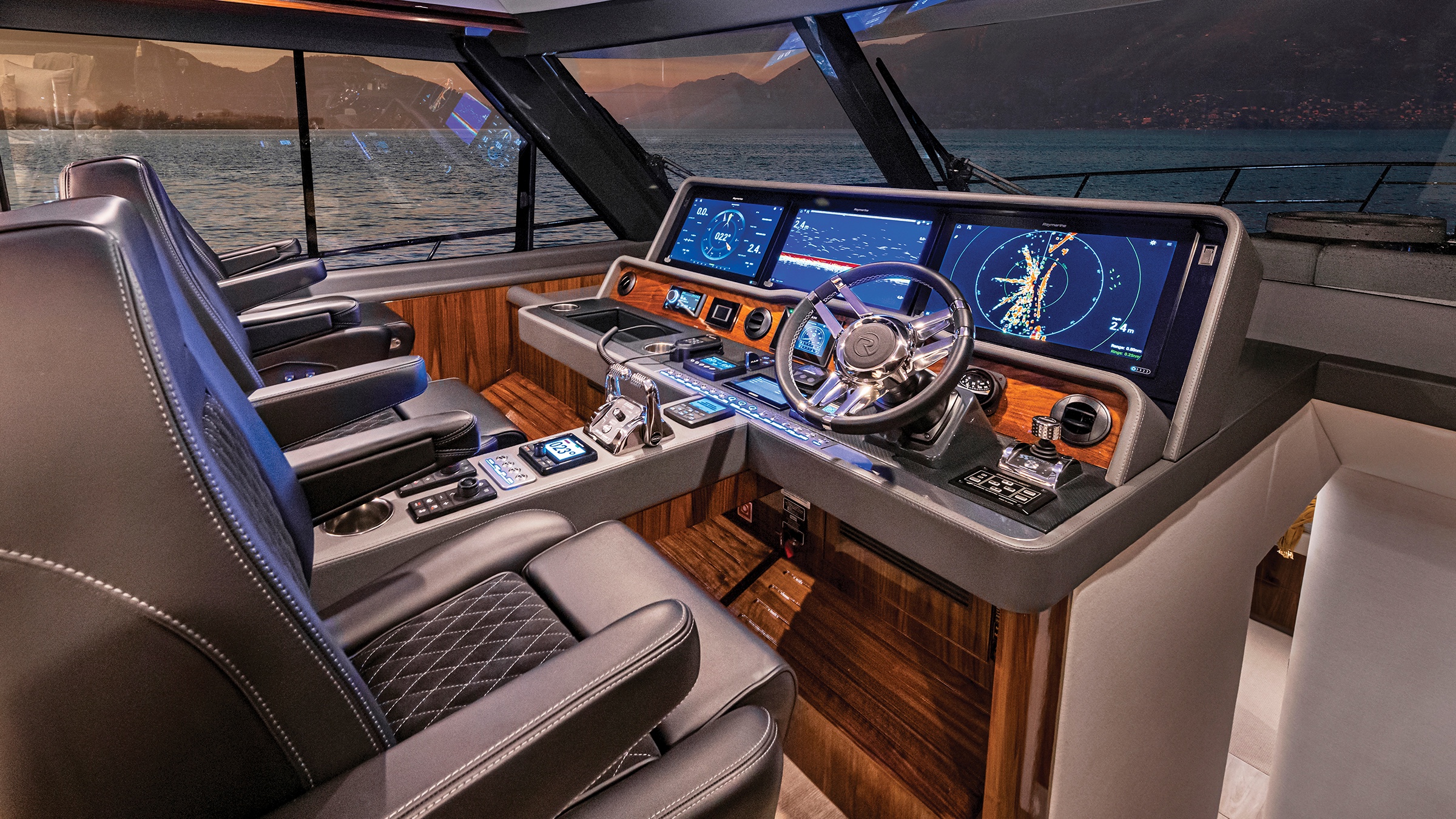 01 · The HelmThe helm of a Riviera 645 at dusk, fully lit02 · The PictureRadar, chart and engine data, read together03 · The LinkBroadband from the hardtop, anywhere offshore
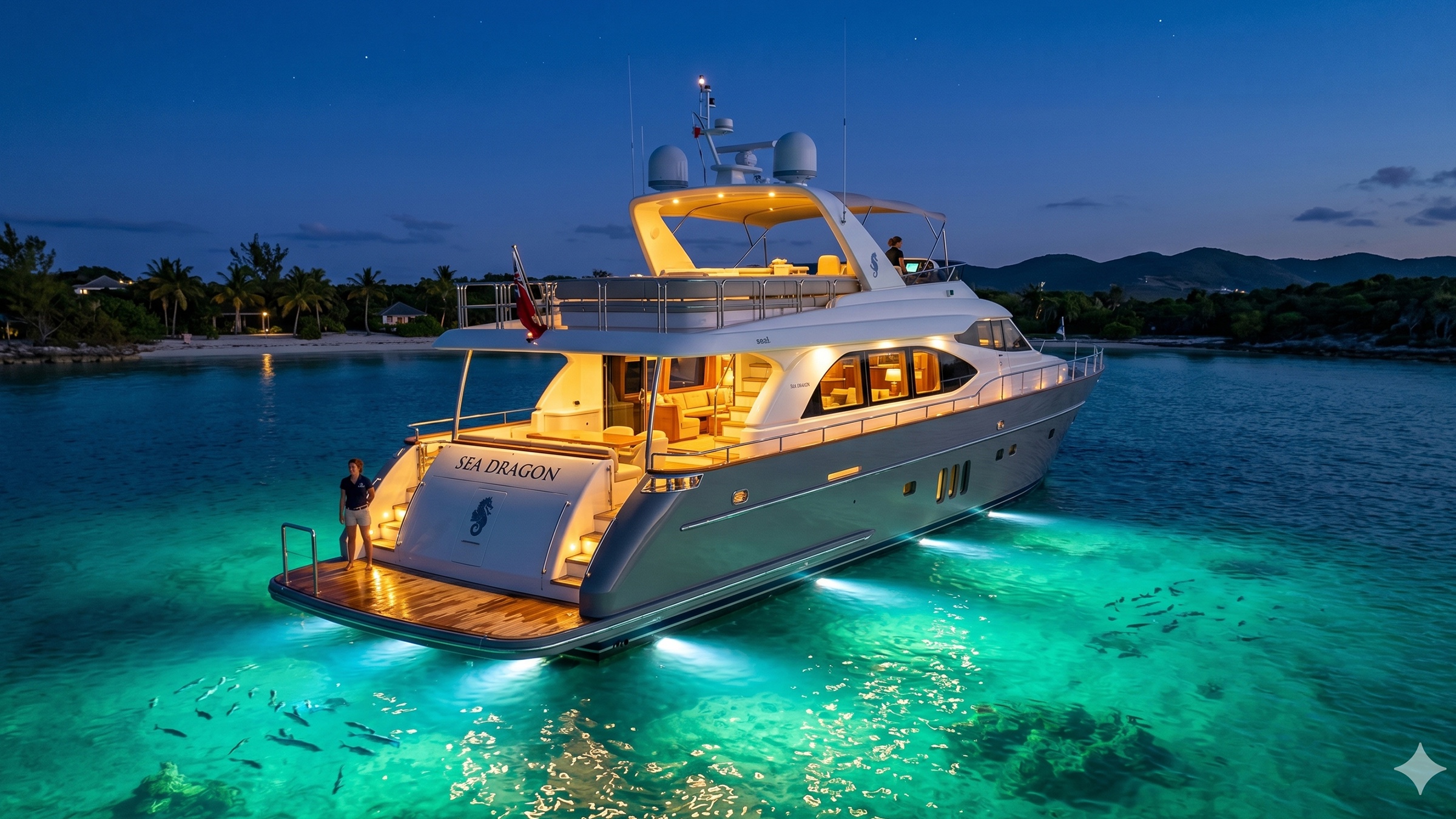 04 · The RewardAt anchor at dusk, interior and underwater lights lit
The connected boat did not replace seamanship; it sharpened it, and then it quietly extended the dock all the way to the horizon. What it finally offers is not the screen but the choice behind it: to reach the whole world from the anchorage, or to switch it all off and watch the light go down.