



When the Boat Needs a Crew
There is a point at which a boat asks for more hands than the owner can supply. Knowing when you have reached it, and who to bring aboard, is one of the quiet arts of ownership at scale.
Most owners begin as their own crew, and many are happiest that way. But somewhere as boats grow, the work outpaces the pleasure, and the question stops being whether you can run the boat alone and becomes whether you should. That threshold is rarely about a single number. It is about the gap between the boat you own and the time, skill, and hands you can give it.
The signs arrive gradually. Docking a larger vessel single-handed becomes a calculation rather than a habit. Maintenance falls behind because the list is longer than the weekends. Guests arrive and the owner spends the day working the boat instead of enjoying it. None of these alone demands a crew. Together they describe a boat that has quietly outgrown the person running it, and the honest response is to add hands before something forces the issue.
Crew is not only a function of size, though size matters. A nimble fifty-footer with good systems can be owner-run for years. A heavier vessel of the same length, with a complex plant and a demanding berth, may need help far sooner. The real measure is the distance between what the boat requires to run safely and well, and what the owner can realistically provide. When that gap opens, professional crew closes it.
On the bridge, the captain
The first hire, and on many boats the only one, is a captain. The role is far broader than steering. A professional captain carries the legal and practical responsibility for the vessel under way: passage planning, weather judgment, the safety of everyone aboard, and the dozens of small decisions that keep a day on the water uneventful. On an owner-operated boat the captain is also the one who turns the owner's intentions into a safe plan, and says so plainly when the two do not agree.
A good captain is measured less in dramatic moments than in their absence. The docking that looks easy, the squall avoided by leaving an hour early, the mechanical issue caught at the dock rather than offshore: these are the marks of competence. Credentials matter, and for vessels above certain sizes a licensed captain is a legal requirement, but references from other owners are often the truer test. Ask who they have run for, and call those owners.
The question is rarely whether you can run the boat alone, but whether you should. Crew is the distance between what the vessel needs to run safely and well, and what the owner can realistically give it.
On a boat run by a captain alone, clarity of authority is everything. Under way, the captain has the final word on matters of safety and seamanship; that is not a courtesy but the foundation of a safe vessel. The owner sets the where and the when. The captain owns the how. Owners who blur that line, overruling sound judgment because the schedule is tight or the guests are waiting, are the ones who eventually learn why the line exists.
On deck, the hands that work it
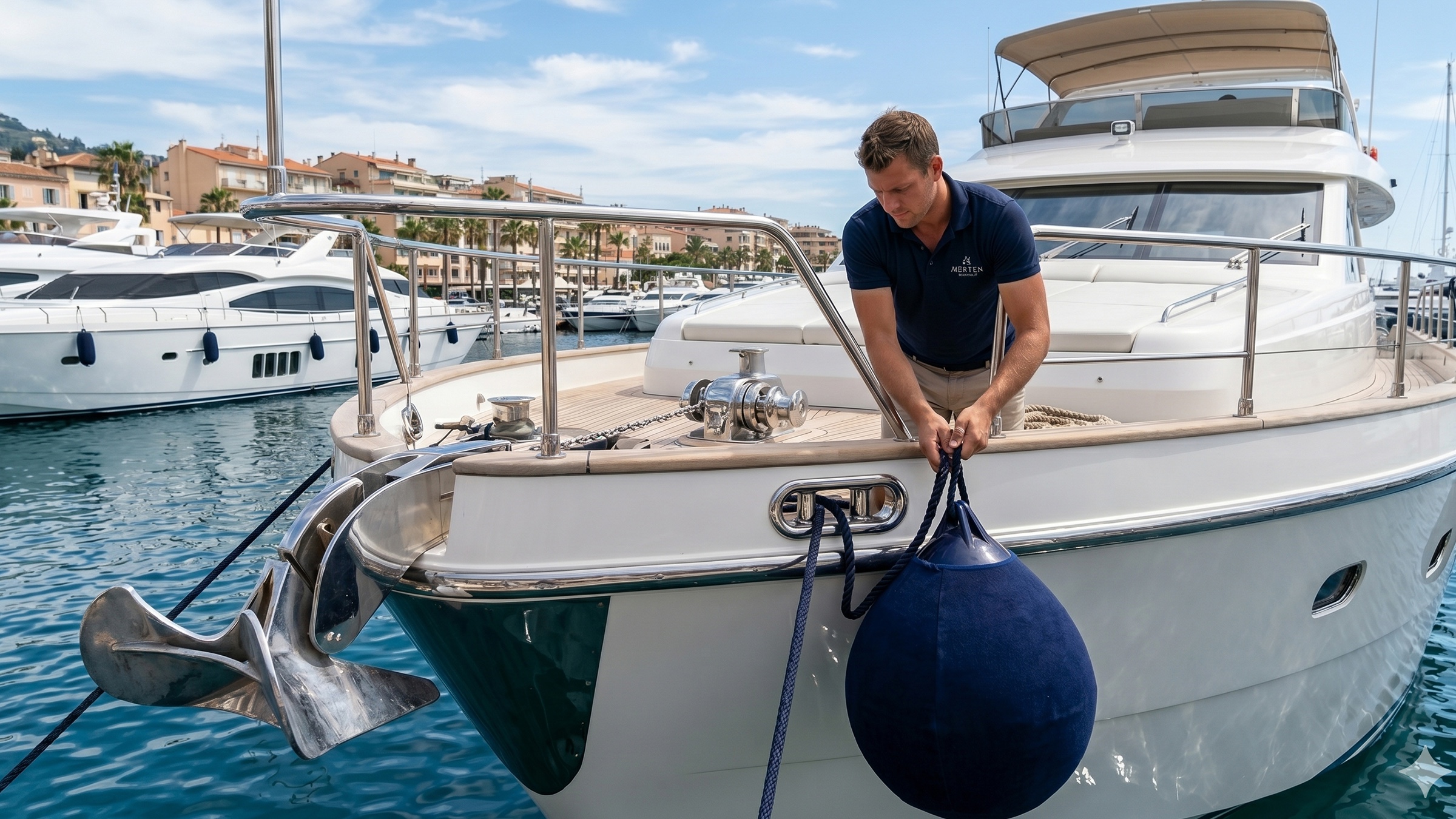
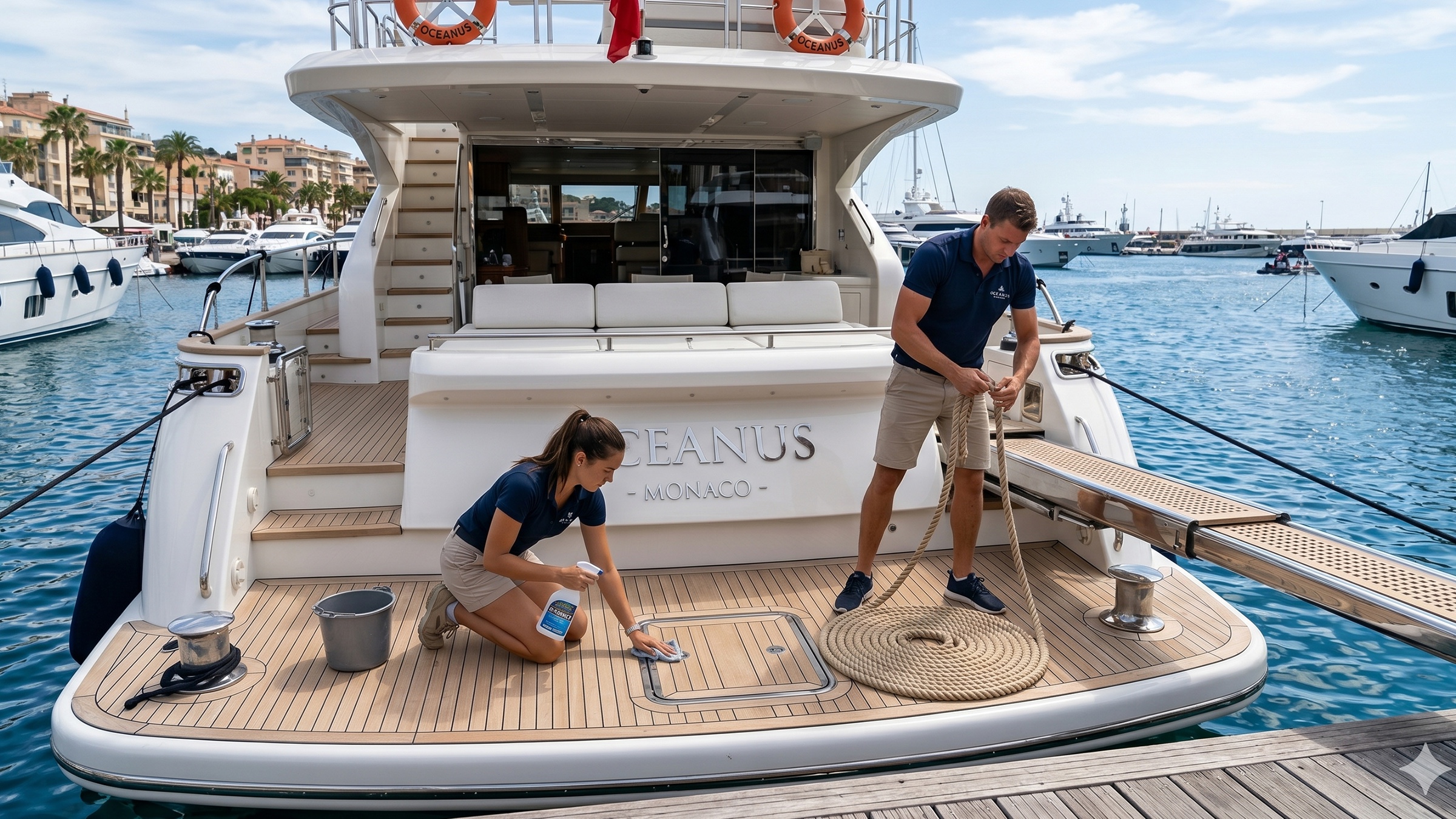
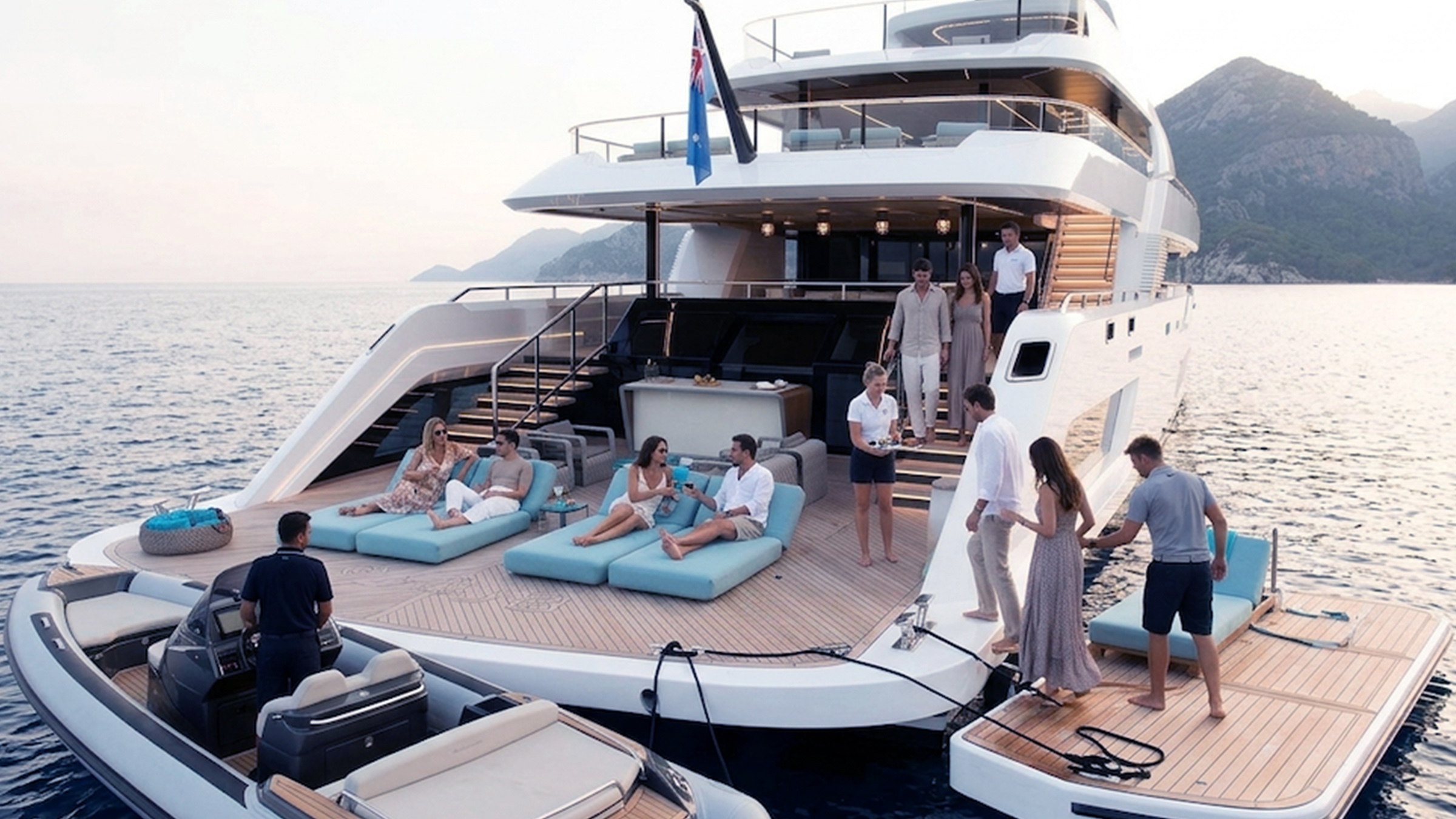
As a boat grows past the point where one professional can manage it, the next role is on deck. Deck crew handle the visible, physical work of the vessel: lines and fenders in a tight berth, anchoring, tenders and water toys, washdowns, and the endless care that keeps exterior surfaces from surrendering to salt and sun. On a sailing yacht the deck role extends to the rig and the sails; on a motor yacht it leans toward maintenance and guest logistics.
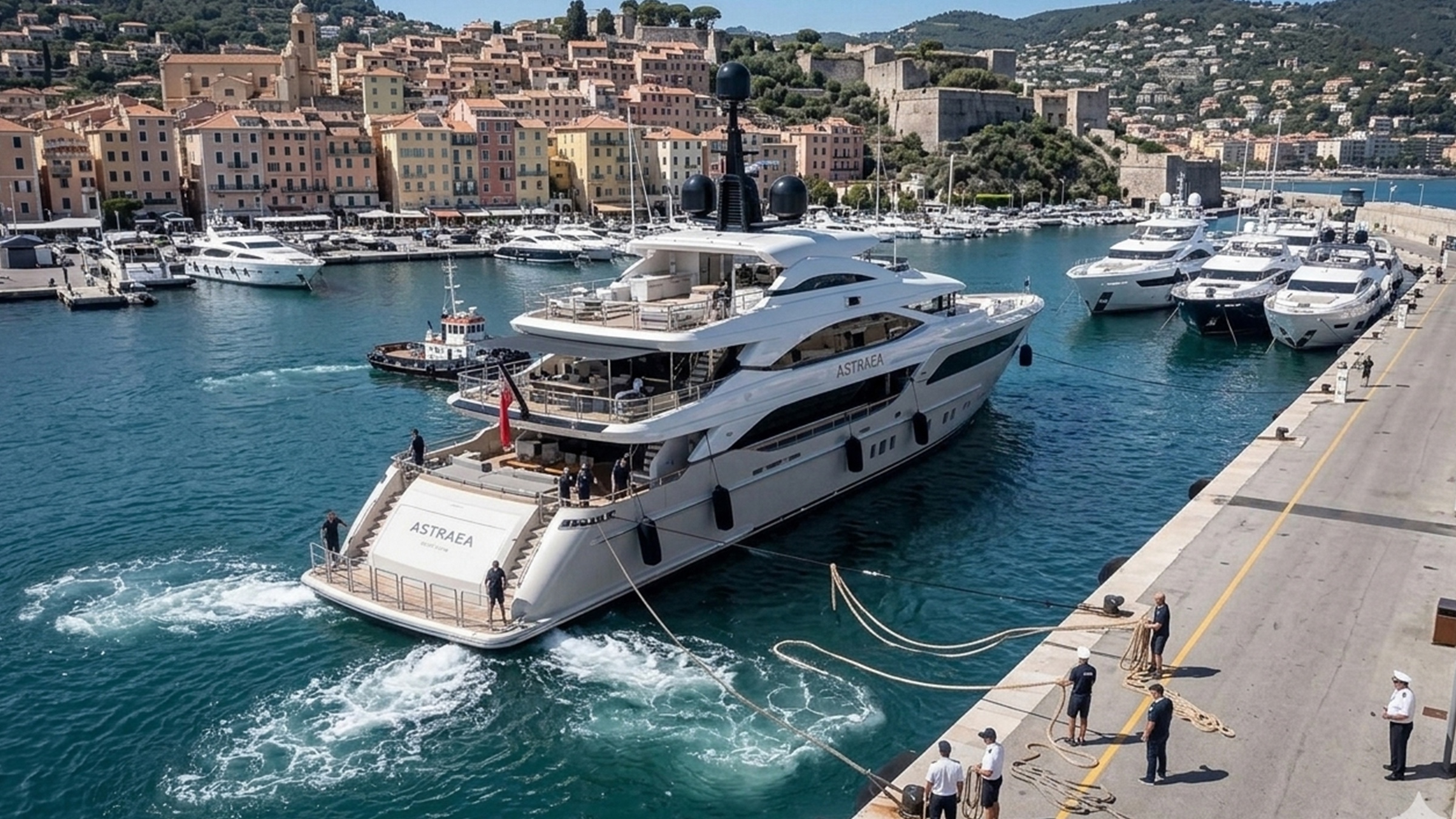
The work is more skilled than it looks from the dock. Bringing a heavy vessel alongside in a crosswind is a two- or three-person job done in seconds, with no margin for a fumbled line. A deckhand who can read a docking before it happens, step ashore at the right moment, and make a line fast without being told is worth far more than one who simply follows orders. This is a trade learned by doing, and good deck crew carry it in their hands.
Inside, a third domain begins: the interior, and the hospitality that defines time aboard for guests. On larger yachts this is a profession in itself, covering the cabins, the galley, the service of meals, and the choreography that lets a charter or a family weekend feel effortless. The interior is the part of the boat guests touch most and notice first, and the crew who run it turn a vessel into a place people want to return to.
The skill here is invisibility done well. A great interior crew anticipates rather than reacts: the cabin turned down before anyone thinks to ask, the meal that appears at the right moment, the guest preference remembered from a season ago. It is service in the old sense, discreet and exact, and on a yacht where guests and crew share a confined space for days, the temperament to do it gracefully matters as much as the technical skill.
Three domains.
One working vessel.
The Bridge
Captain
command & safety
Passage planning, weather, navigation, and final authority on safety and seamanship under way. The first hire on almost any crewed boat.
On Deck
Deck
handling & care
Lines, fenders, anchoring, tenders, washdowns and exterior upkeep. On sail, the rig and sails. The physical craft of running the boat.
Interior
Service
hospitality & galley
Cabins, galley, meal service and guest experience. The domain guests notice first, run by crew who make effort look effortless.
The Owner
Where
& when, not how
Sets the destination and the schedule, then lets the professionals own the execution. The clearest line on a well-run boat.
“
The owner sets the where and the when. The captain owns the how. The best boats keep that line clean.
Field Note · USA Onboard Editorial
Finding them, and keeping them
Good crew are found the way good anything is found in boating: through people who already know them. Reputable crew agencies exist and are worth using, particularly for full-time positions, but the strongest hires usually come with a personal reference from another owner or captain. The yachting world is small, and a quiet conversation at the dock tells you more than any resume. When you do interview, weigh temperament alongside skill, because you will be sharing a confined space, sometimes for weeks.
Decide early between permanent and rotational arrangements. A boat used most weekends may want full-time crew who live with the vessel and know it intimately. One used a few weeks a year is often better served by day crew or freelance professionals hired for specific trips. There is no single right answer, only a fit between how the boat is used and how it is staffed, and the cost of getting that fit wrong is measured in both money and goodwill.
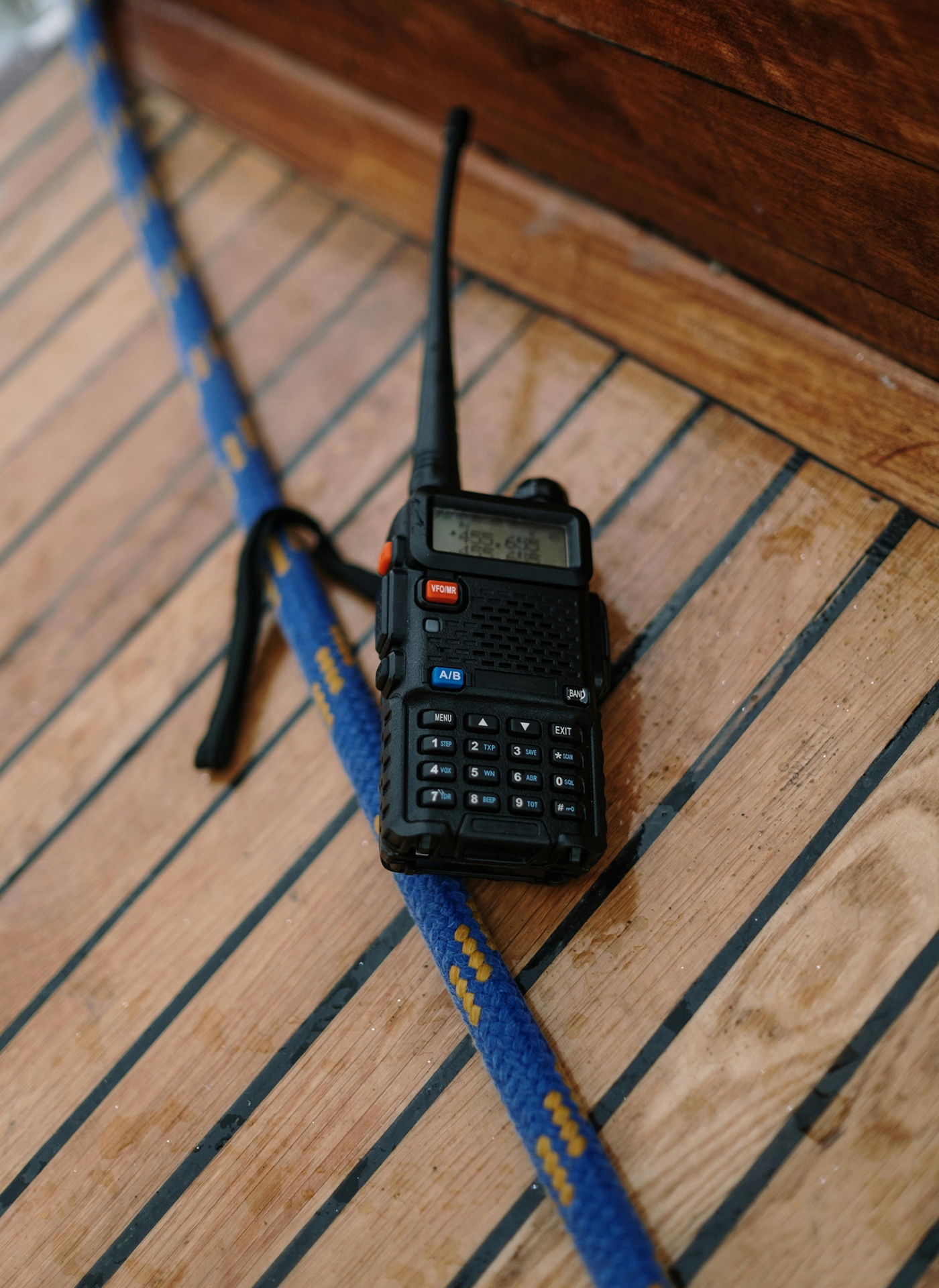
The tools of the trade Good crew are known by the state of the small things, kept ready before they are needed.
Once aboard, crew are managed best by clear expectations and clear boundaries. Set out the standing orders, the schedule, the division of responsibilities, and the rules of the boat in writing, and then trust the professionals to do the job you hired them for. Micromanagement is the fastest way to lose good crew, who have other boats waiting. The owners who keep their crew for years are the ones who pay fairly, respect the off-hours, and treat the people running the boat as professionals rather than staff.
Understand, too, that crew on board changes the boat. A vessel with live-aboard crew is never entirely private, and the social contract of a small shared space has to be learned by both sides. The reward, when it works, is considerable: a boat that is always ready, always maintained, and always safe, freeing the owner to do the one thing the whole enterprise was for, which is to enjoy being aboard. That is what crew buys, and on the right boat it is worth every cent.
Two short lists worth keeping.
Bringing on Crew · Do
- Hire when the gap between the boat's needs and your time is honest and growing.
- Check references by calling the owners crew have actually run for.
- Weigh temperament as heavily as skill for any live-aboard role.
- Put standing orders, schedule and responsibilities in writing.
- Give the captain final authority on safety and seamanship under way.
Bringing on Crew · Don't
- Wait until a near-miss forces the decision you already saw coming.
- Hire on a resume alone without a personal reference you trust.
- Overrule sound seamanship because the schedule or guests are pressing.
- Micromanage professionals who have other boats waiting for them.
- Forget that live-aboard crew makes the boat a shared space.
A boat needs a crew when it needs more than the owner alone can give it, safely and well. Bring the right people aboard, give them the authority their roles require, and the boat stops being a second job. It becomes again what it was meant to be: a reason to leave the dock.
USA Onboard Editorial