

Where the Sky
Meets the Water
For a certain kind of owner, the aircraft and the yacht are not two possessions but one continuous idea of movement, where the deck becomes a destination and the horizon becomes a route.
There is a moment, watching a helicopter settle toward a deck or a small aircraft bank low over an anchorage, when two worlds that seem to belong apart reveal themselves as one. The sea holds the vessel still. The sky carries everyone to it.
The relationship between private aviation and life aboard a yacht is older and more practical than its glamour suggests. A yacht is a magnificent thing and a slow one. It crosses oceans in weeks, holds a remote bay for a season, waits at anchor while its owner attends to a life that rarely pauses. Aviation is the answer to the arithmetic that ownership creates: how to be present aboard a vessel that is, by design, far from almost everywhere.
Seen that way, the aircraft is not a rival to the yacht but its complement. The vessel becomes the fixed point, the home that floats. The helicopter, the jet, the seaplane become the radius around it, the means by which a person closes the last distance between an ordinary day on land and an extraordinary one on the water. The yacht is where you live. The aircraft is how you arrive.
What follows is a quiet anatomy of that arrangement, the points where the sky and the water genuinely touch, told without the usual noise. There is real engineering beneath it, real regulation, and a logic that has less to do with display than with time, distance and the simple wish to be in two places that water alone could never connect.
Two elements, one continuous idea
Consider how an owner actually uses a vessel of any real size. She is positioned ahead of her guests, sent to a coastline weeks before anyone steps aboard. The crew prepares her in a bay no scheduled flight will ever serve. When the owner is ready, the problem is no longer the yacht. It is the gap between a city and a stretch of water with no airport, no marina, sometimes no road.
Aviation collapses that gap. A jet covers the long leg to the nearest field. A helicopter or seaplane closes the final stretch directly to the deck or the anchorage. What once consumed the better part of a day, airport to airport, car to marina, tender to yacht, becomes a single, unbroken arc. The aircraft does not compete with the cruising; it protects the hours that make cruising worth having.
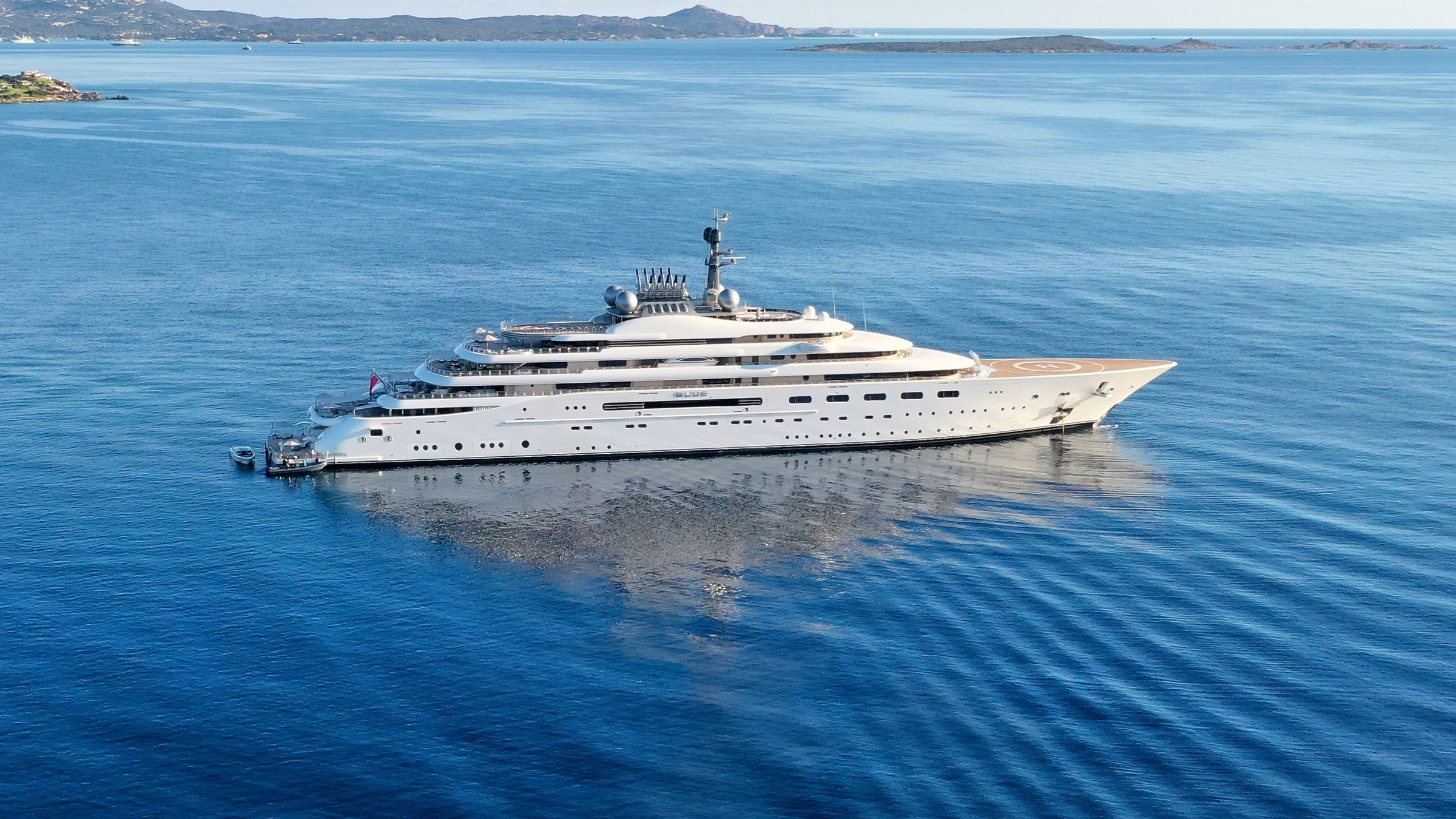
The yacht is the fixed point. Everything that flies is simply the radius drawn around it.
USA Onboard EditorialWhat it takes to bring an aircraft down to the water
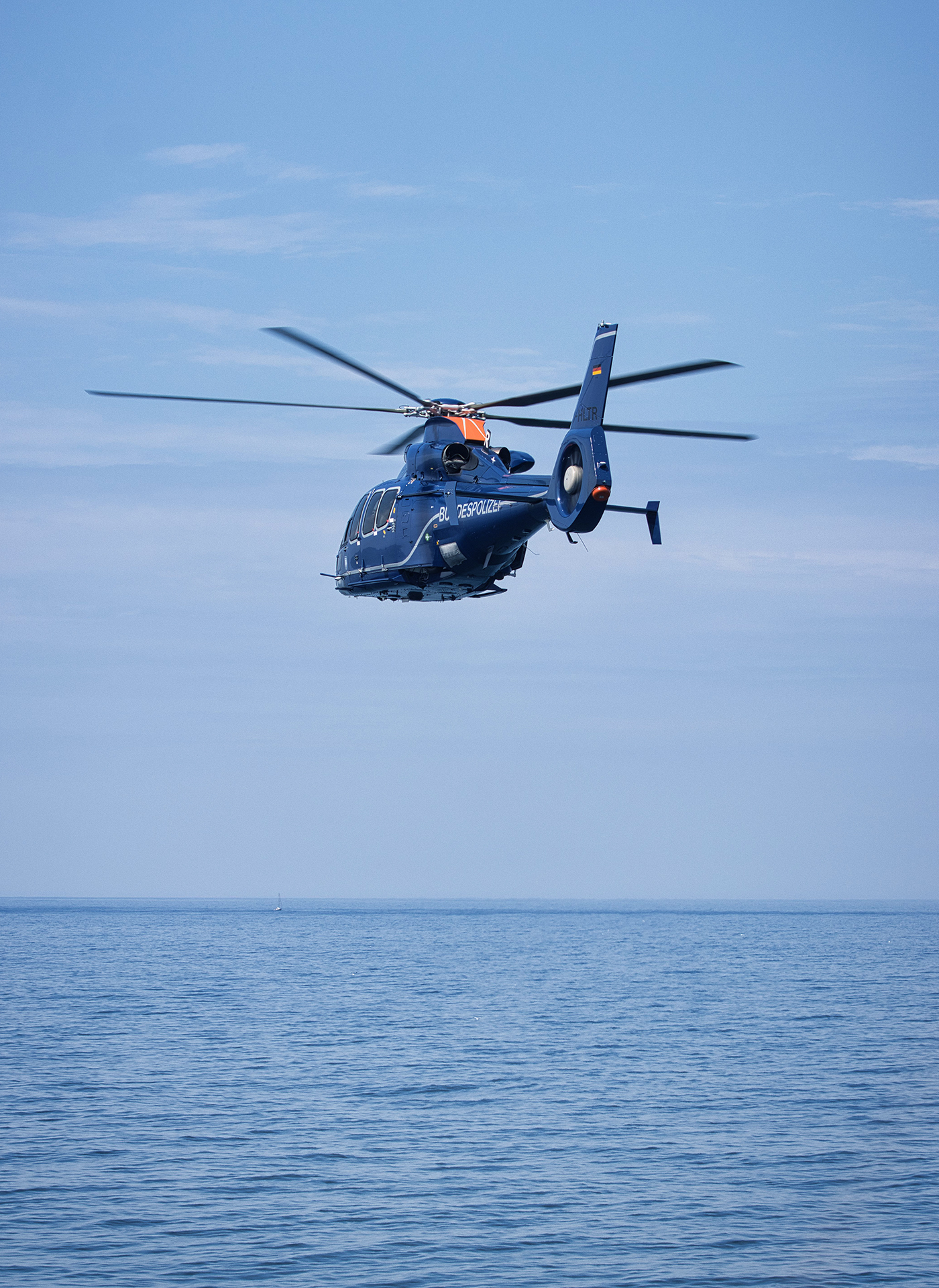
A landing is a conversation, not an arrival
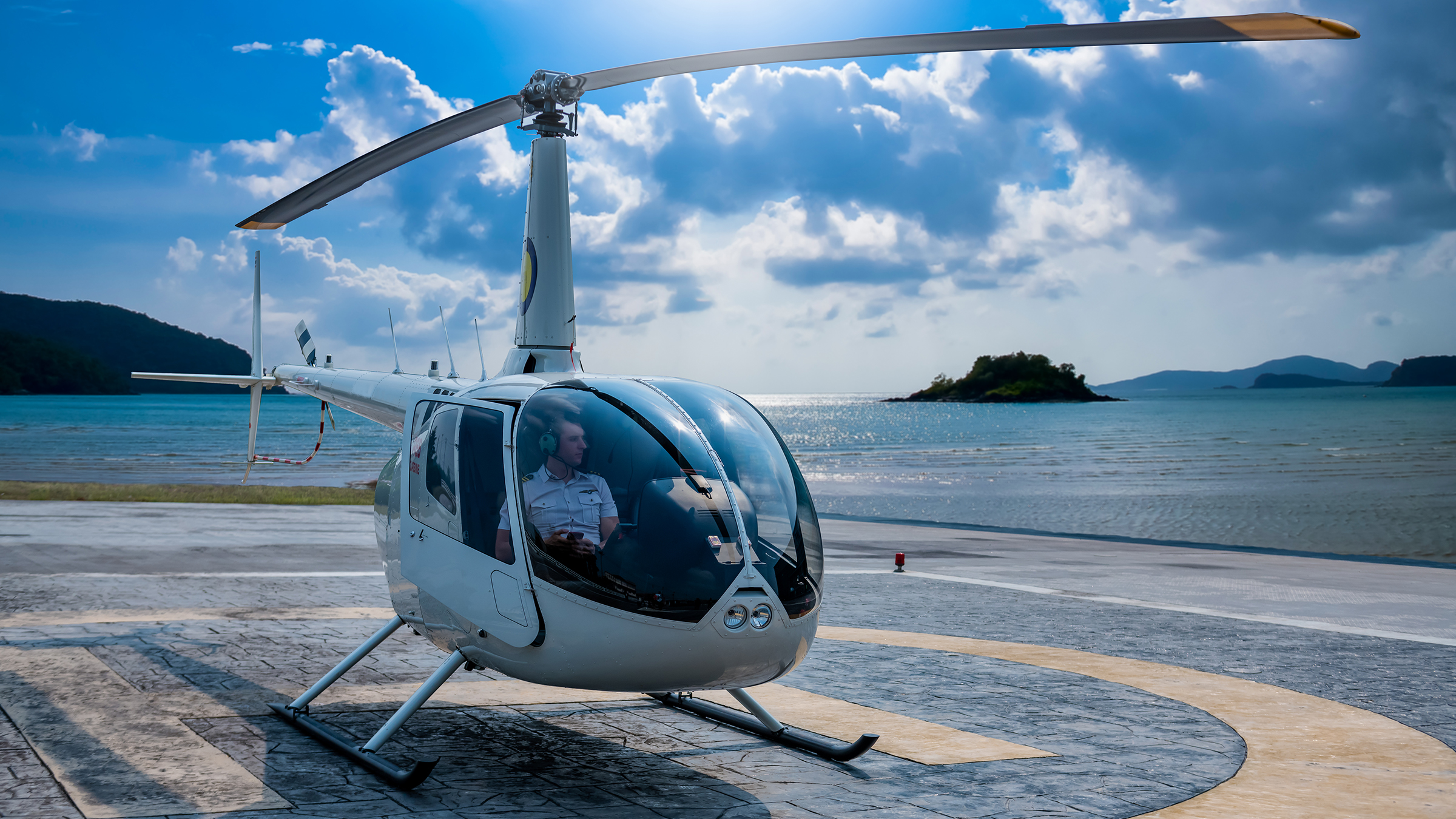
Bringing a helicopter onto a moving deck is among the more demanding things asked of a pilot. The vessel pitches and rolls beneath a target that is never quite still, and the air around superstructure behaves in ways open ground never does.
Behind every clean touchdown is a trained deck crew, a meteorological read, friction-tested surfaces and firefighting equipment standing by. The grace of the moment is the product of preparation no guest is meant to notice.
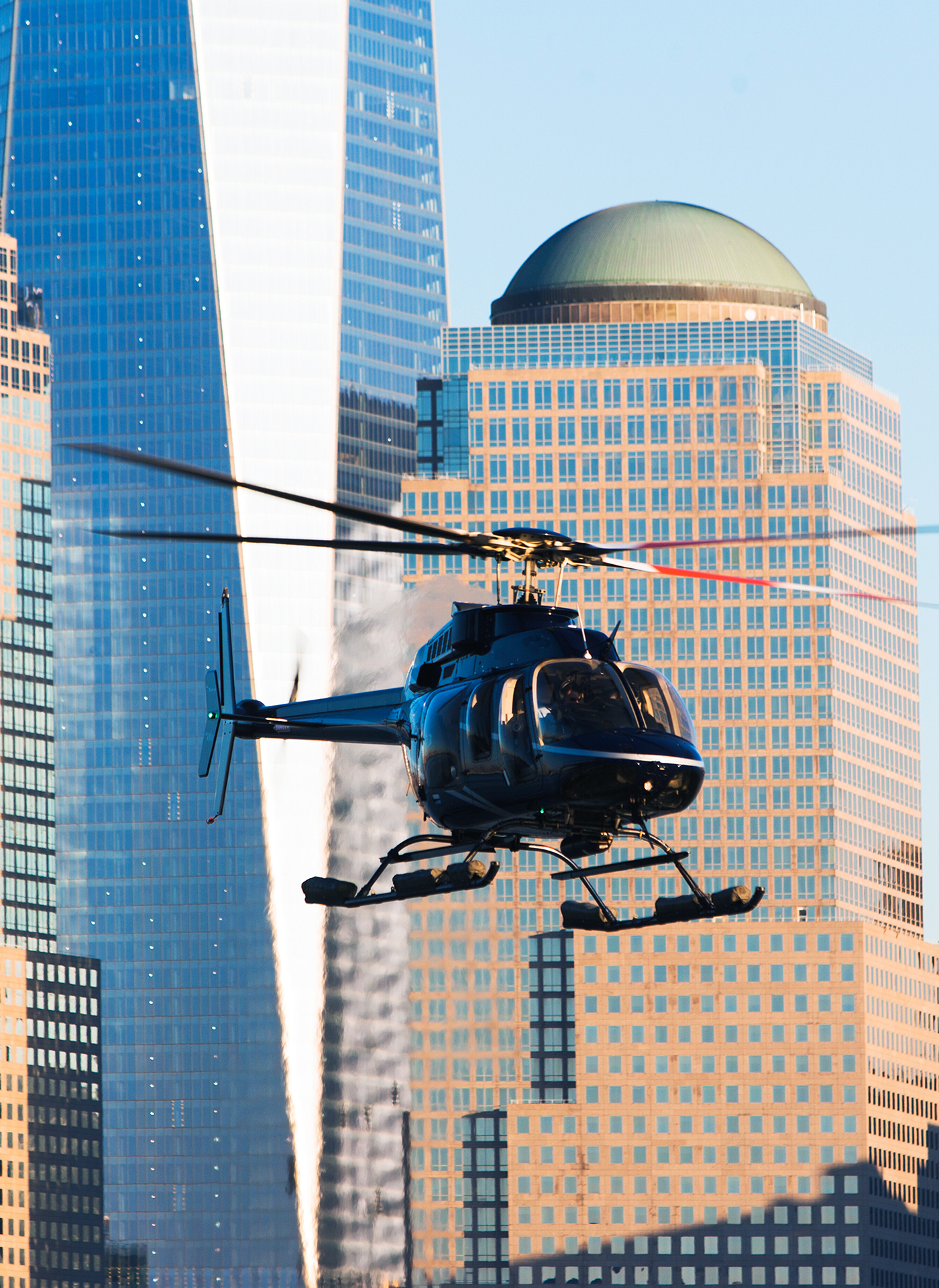
The journey begins over rooftops
For owners whose lives are anchored to a city, the arc often opens above it. A helicopter lifts from a rooftop or a riverside pad, and within minutes the gridlock below becomes a coastline ahead. The same machine that crosses a metropolis is the one that meets the yacht.
This is the least romantic and most useful face of the partnership. It turns the dead hours of getting out of town into a few clean minutes, and it does so on the owner's schedule rather than anyone else's.
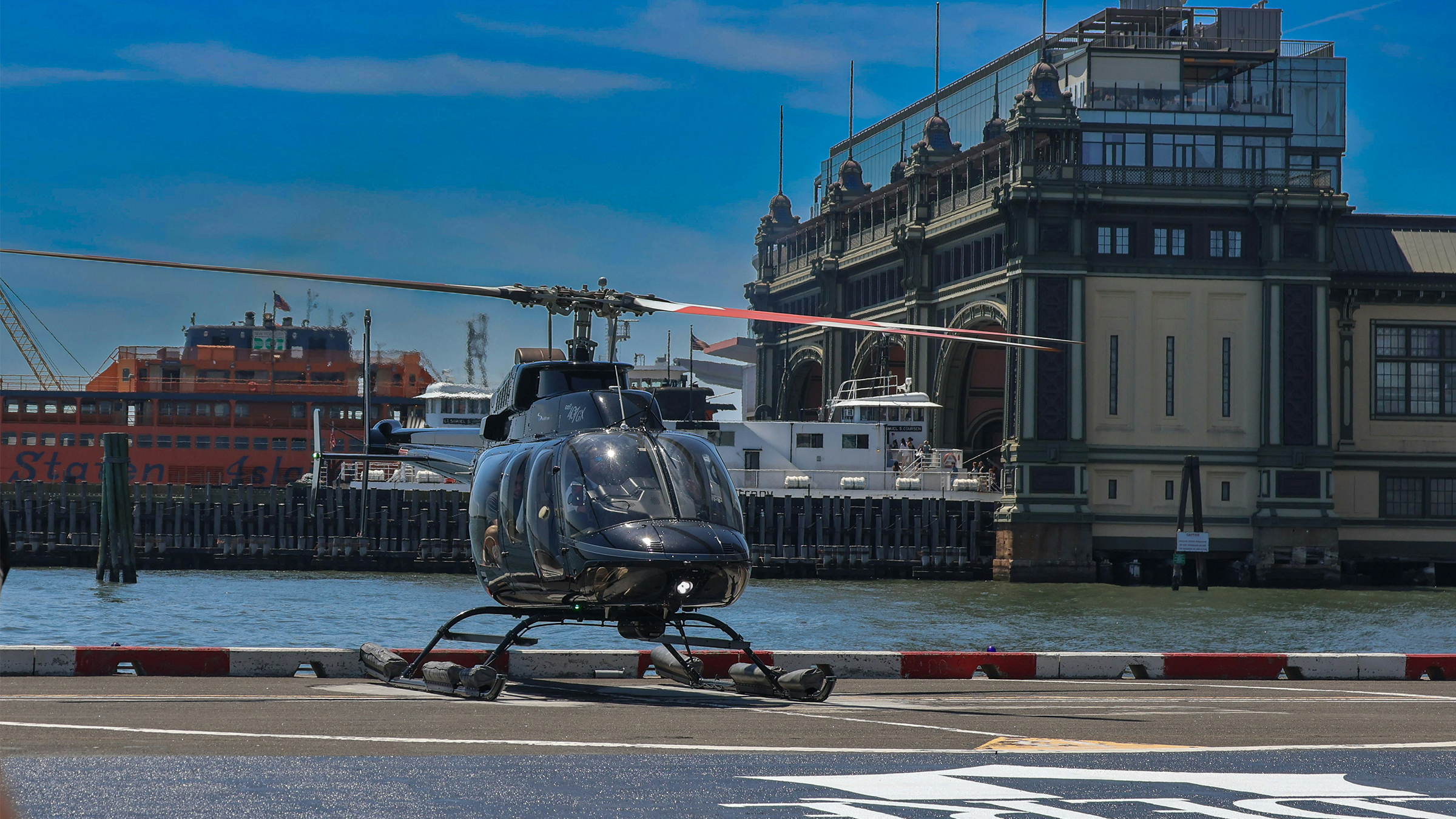
A landing on a moving deck is choreography. What looks effortless is the most rehearsed thing aboard.
USA Onboard EditorialWhen the yacht has already sailed ahead
An owner rarely follows the vessel across the ocean. The yacht makes the crossing on her own schedule, repositioning between seasons, the Mediterranean in summer, the Caribbean in winter, sometimes a passage no guest would care to sit through. The owner joins her later, and by air.
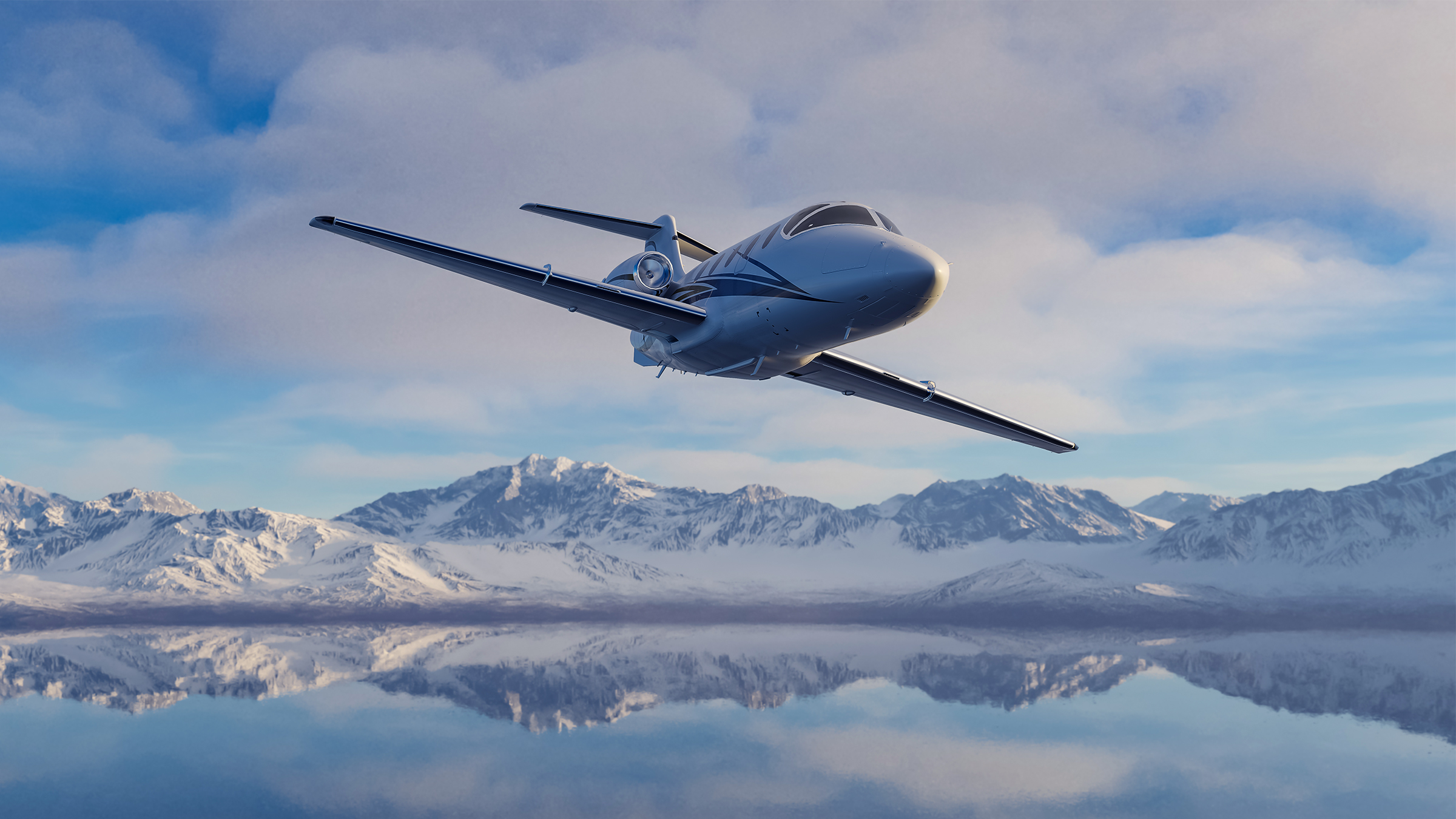
This is where the private jet earns its place in the picture. It carries the owner and guests over the distance the yacht has already covered, landing at the nearest capable field, hours rather than days from the deck. The two craft are rarely in the same frame, yet they operate as a single itinerary: one writing the route across the water, the other catching up across the sky.
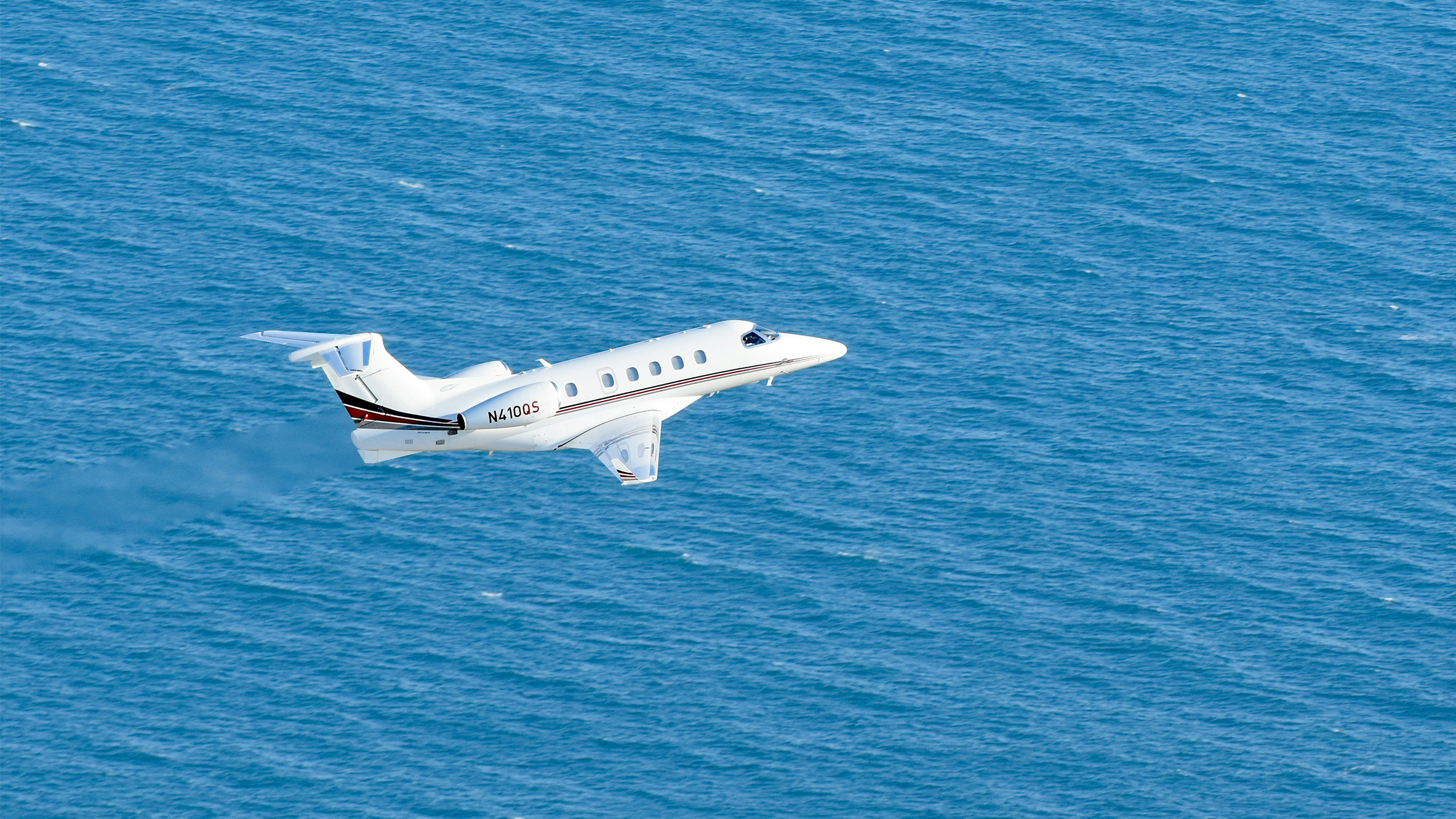
There is an unhurried elegance to this division of labour. The jet handles the part of travel that is purely about getting there. The yacht is reserved for the part that is about being there. Neither asks to be more than it is, and the seam between them, the moment of transfer from runway to water, is where the whole arrangement either works or falls apart.
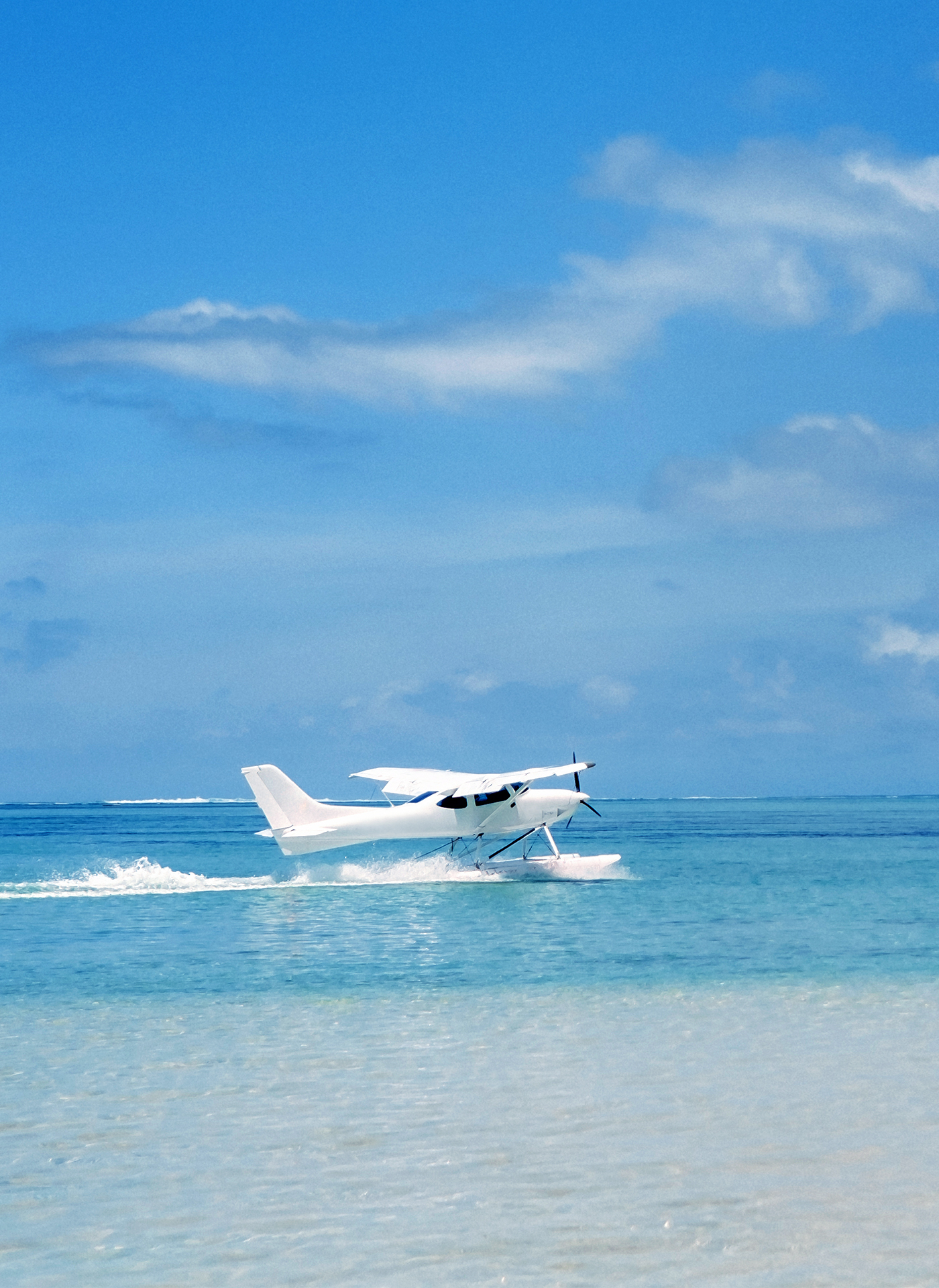
The aircraft that lands on the water itself
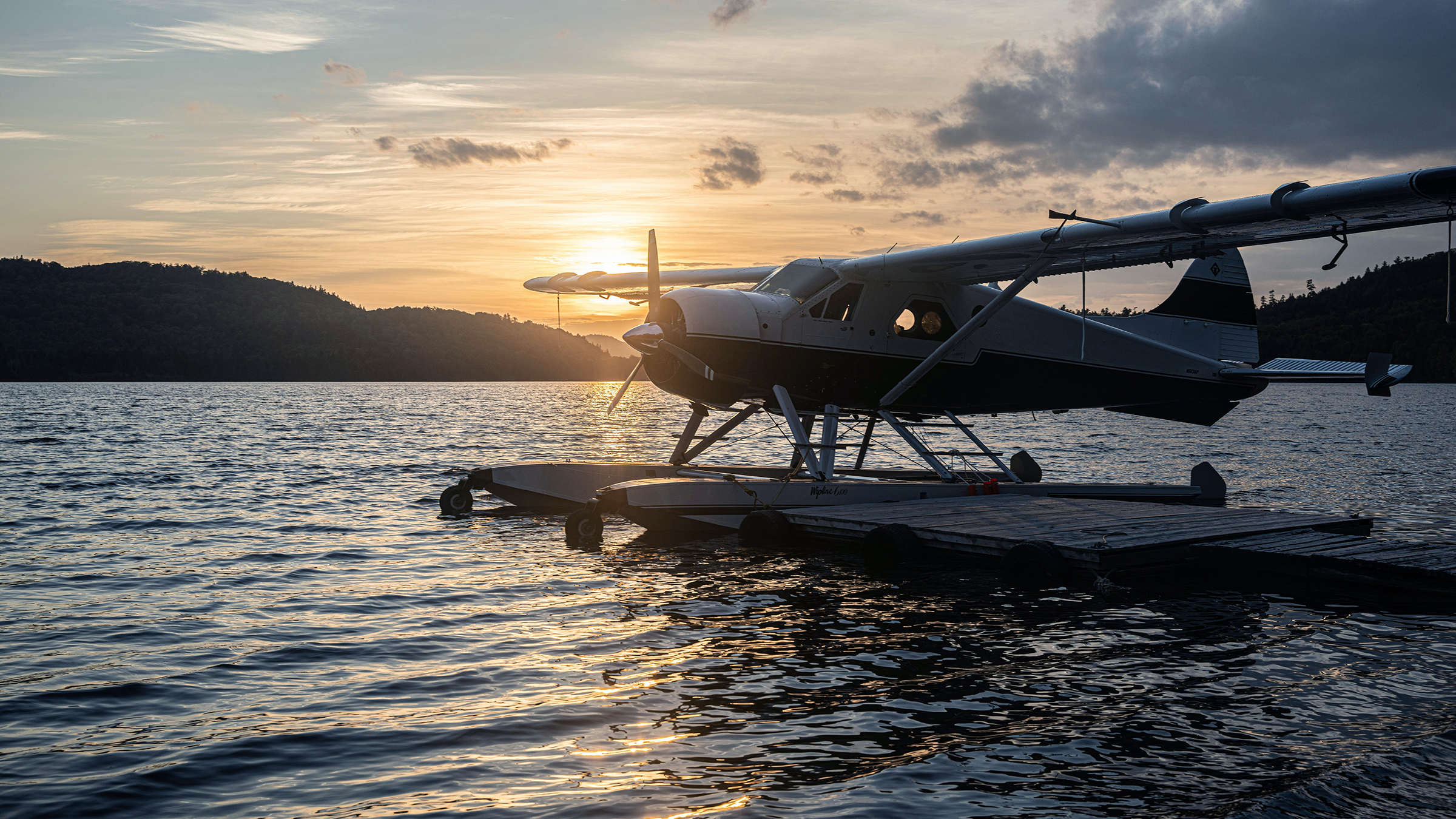
Not every yacht carries a helideck, and not every anchorage sits near a runway. Across the Bahamas and the wider Caribbean, the answer has long worn floats. The amphibious seaplane turns the sea into its airport, settling onto the same turquoise the yacht is anchored in.
It is the most direct expression of the whole idea. Door to deck, with nothing in between but altitude. Operators built around this exact service fly guests from South Florida straight to the vessel, reaching coves and out-islands that no scheduled route, and no runway, will ever touch.
The capability you hope never to use
Strip away the glamour and a harder logic remains. In remote cruising grounds, far from any coastline a hospital might sit on, the ability to bring an aircraft to the vessel is not convenience. It is the margin between an incident and an emergency.
A landing area lets a medical helicopter reach a guest where no other help can arrive in time. Even on commercially restricted decks, the regulations carve out the exception that matters: a non-certified area may still receive a helicopter for the evacuation of the sick or injured. Insurers note the difference in response time. It is rarely discussed in the brochures, and it is among the most consequential things a helideck does.
Studies in sky and water
 01 · Approach
Tropical coast · On final
01 · Approach
Tropical coast · On final
 02 · Jet
Still water · Mirror
02 · Jet
Still water · Mirror
 03 · Dusk
Dusk · Made fast
03 · Dusk
Dusk · Made fast
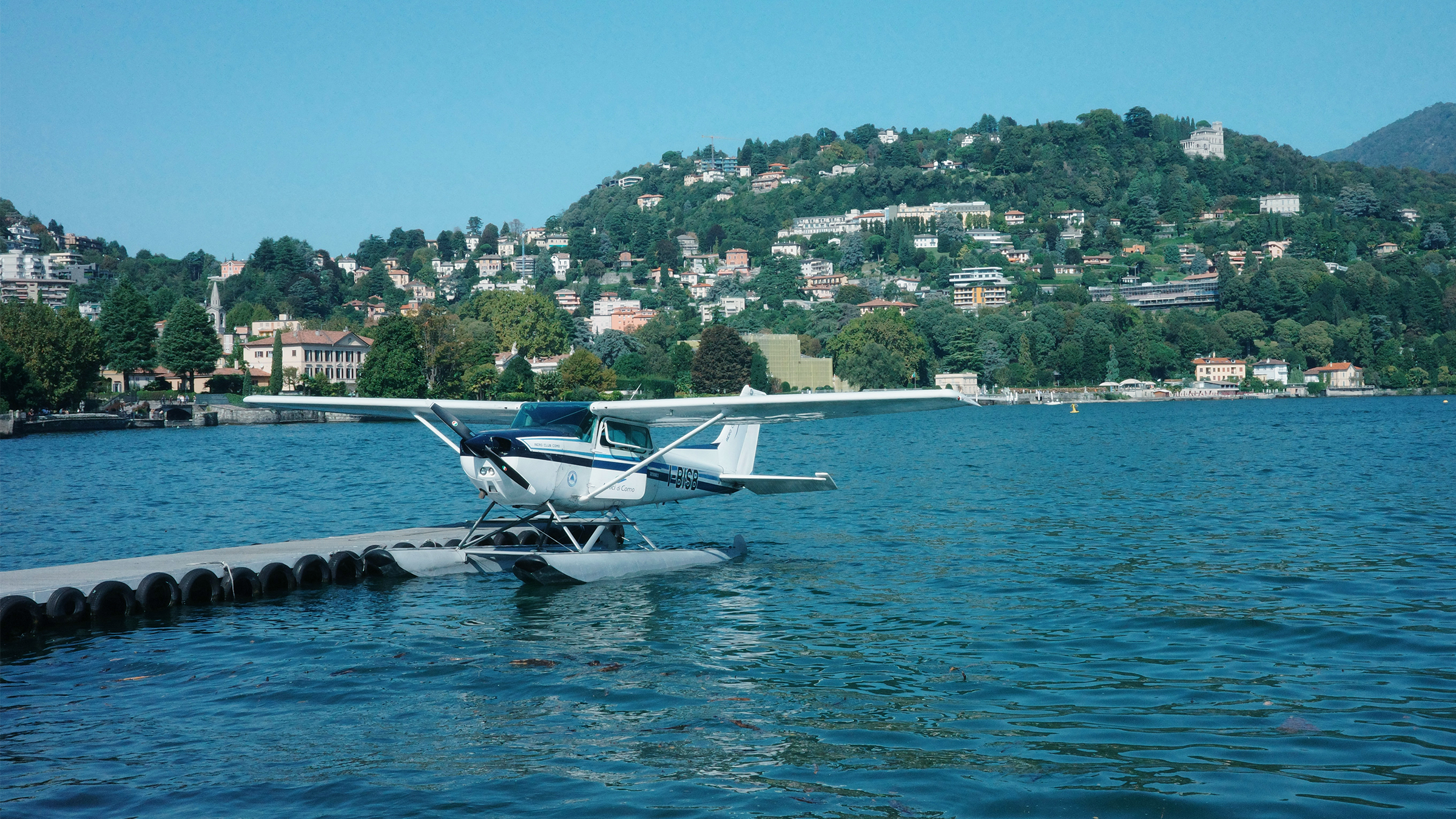 04 · Moored
At the dock · Floats down
04 · Moored
At the dock · Floats down
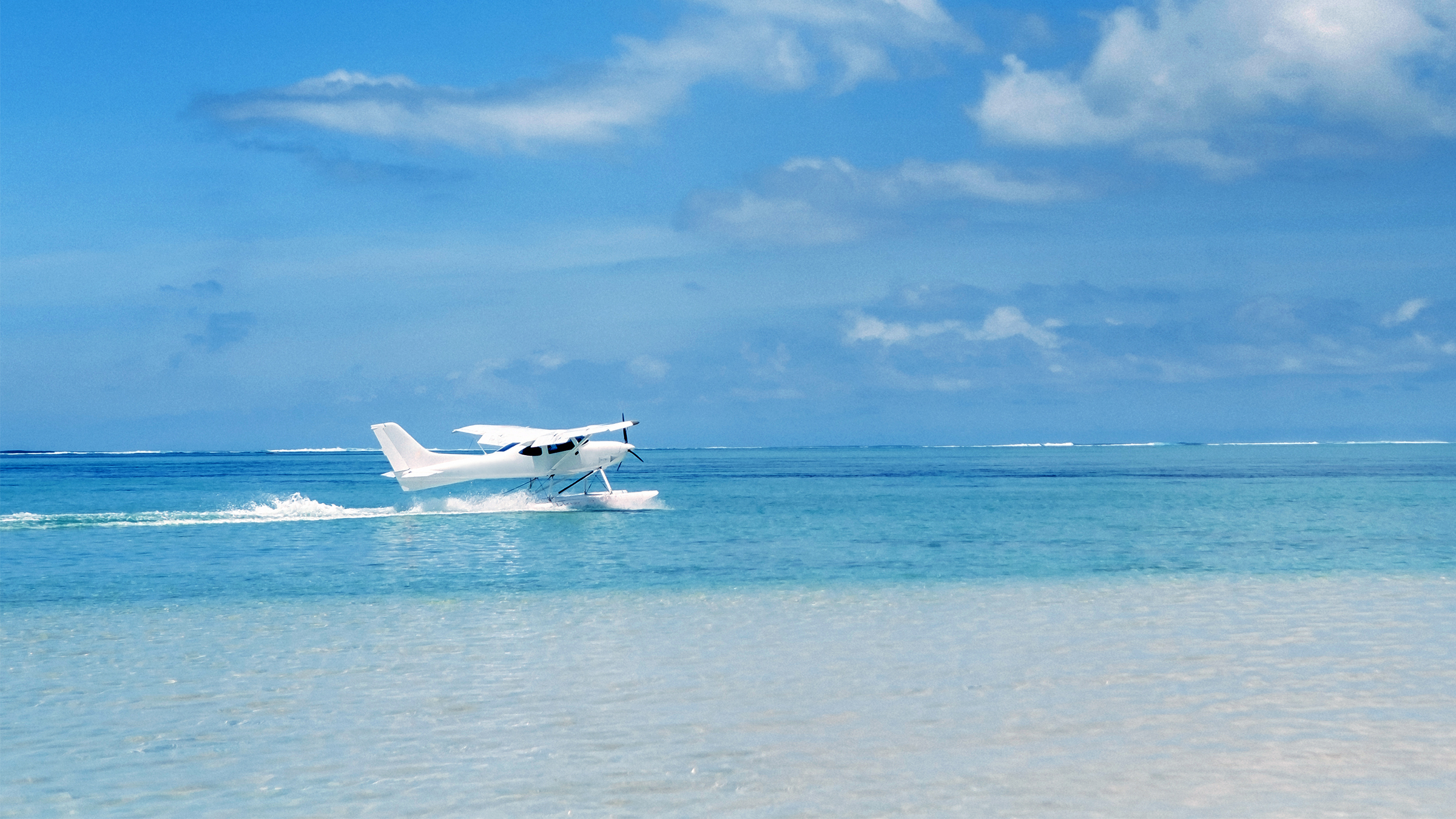 05 · Splashdown
Turquoise · Touchdown
05 · Splashdown
Turquoise · Touchdown
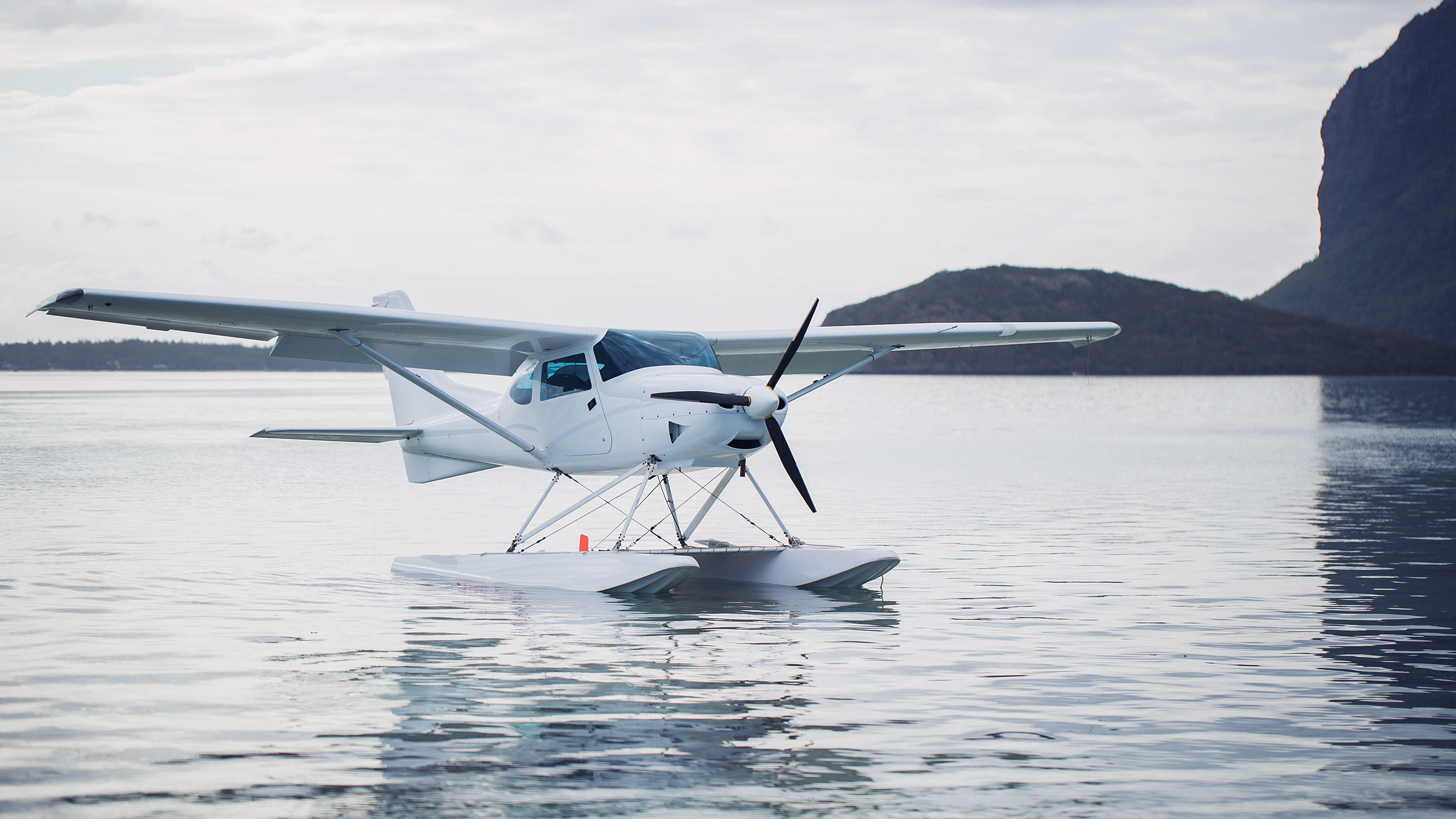 06 · Coast
Coastline · Low and slow
06 · Coast
Coastline · Low and slow
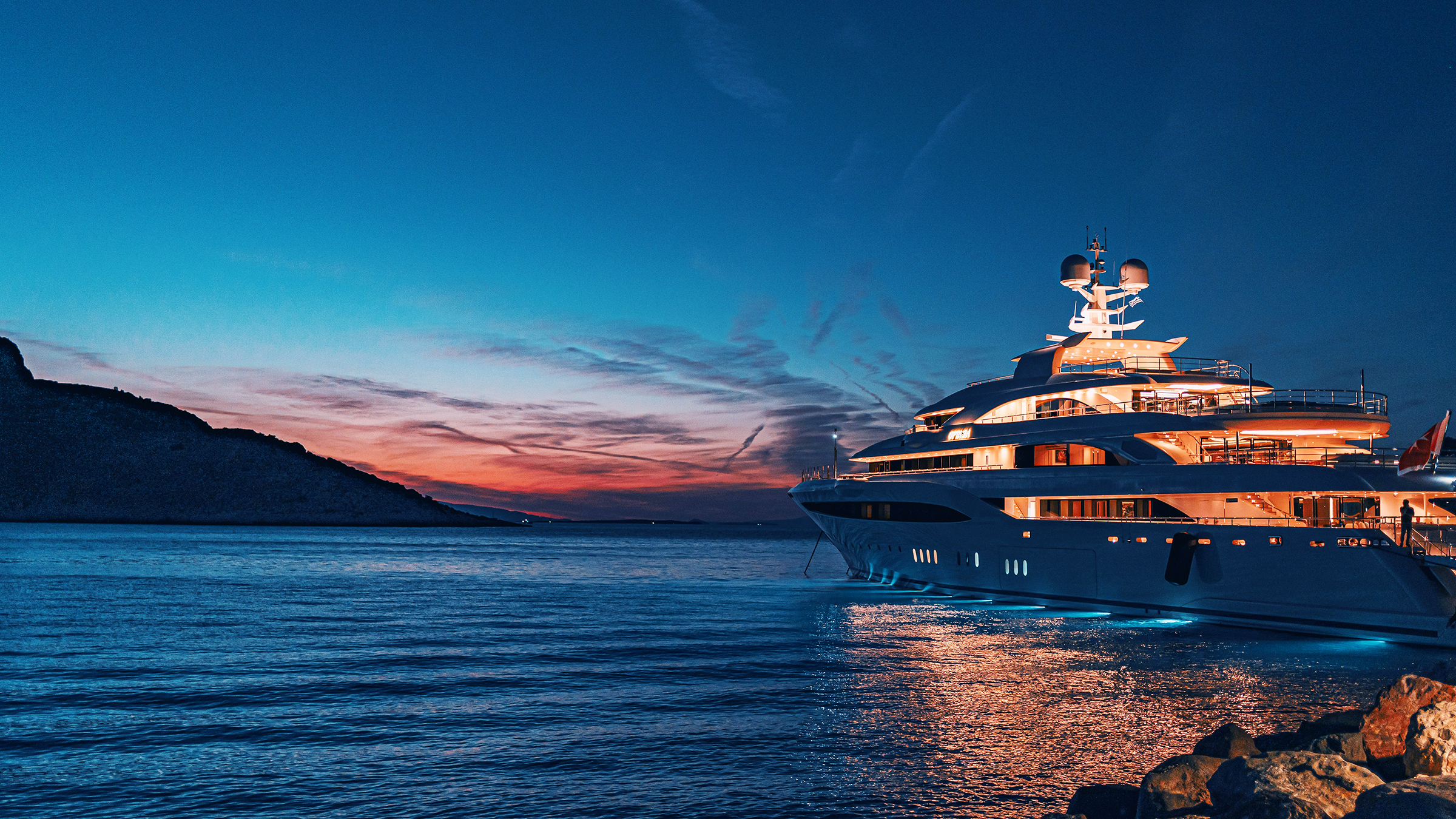 07 · Waiting
Golden hour · Standing by
07 · Waiting
Golden hour · Standing by
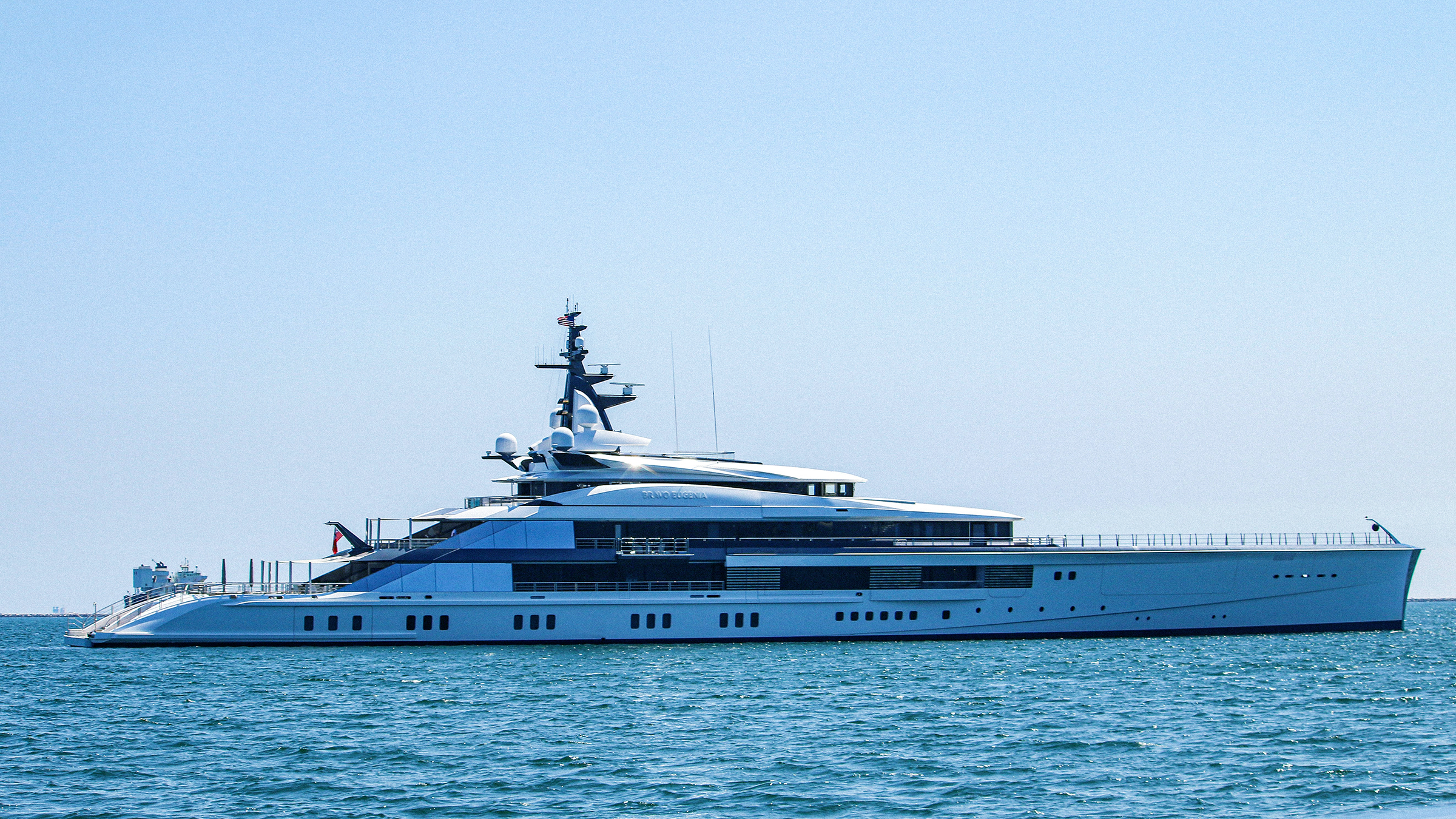 08 · At rest
Blue water · At rest
08 · At rest
Blue water · At rest
 09 · Apron
On the apron · Doors open
09 · Apron
On the apron · Doors open
Two elements that seem to belong apart, joined by a single intention: to be present, without surrendering the distance that made the place worth reaching. Where the sky meets the water, the journey stops being a transfer and becomes part of the arrival.