

The Electric
Turn
Better batteries, faster charging and stricter rules on emissions are moving electric propulsion from the margins of boating toward its center. What is driving the shift, and what still stands in the way.
For most of its history, the pleasure of being on the water has come with a soundtrack of engines and a trail of exhaust. That pairing is starting to come apart.
The first reason is environmental. Combustion engines running on fossil fuels release pollutants into the air and into the very water they are meant to enjoy. Electric propulsion produces no emissions at the point of use, and when the electricity comes from renewable sources such as solar or wind, the footprint of a day on the water shrinks with it.
The second reason is practical, and it is newer. For years, electric boats asked their owners to accept short range, long charging times and a narrow idea of what a trip could be. Each of those limits is now being addressed at once: in the battery, at the dock, in hybrid systems that keep a combustion engine in reserve, and in regulations that are beginning to decide which boats may enter certain waters.
None of this means the transition is complete. It does mean it can no longer be ignored.
Electric boats begin with the battery
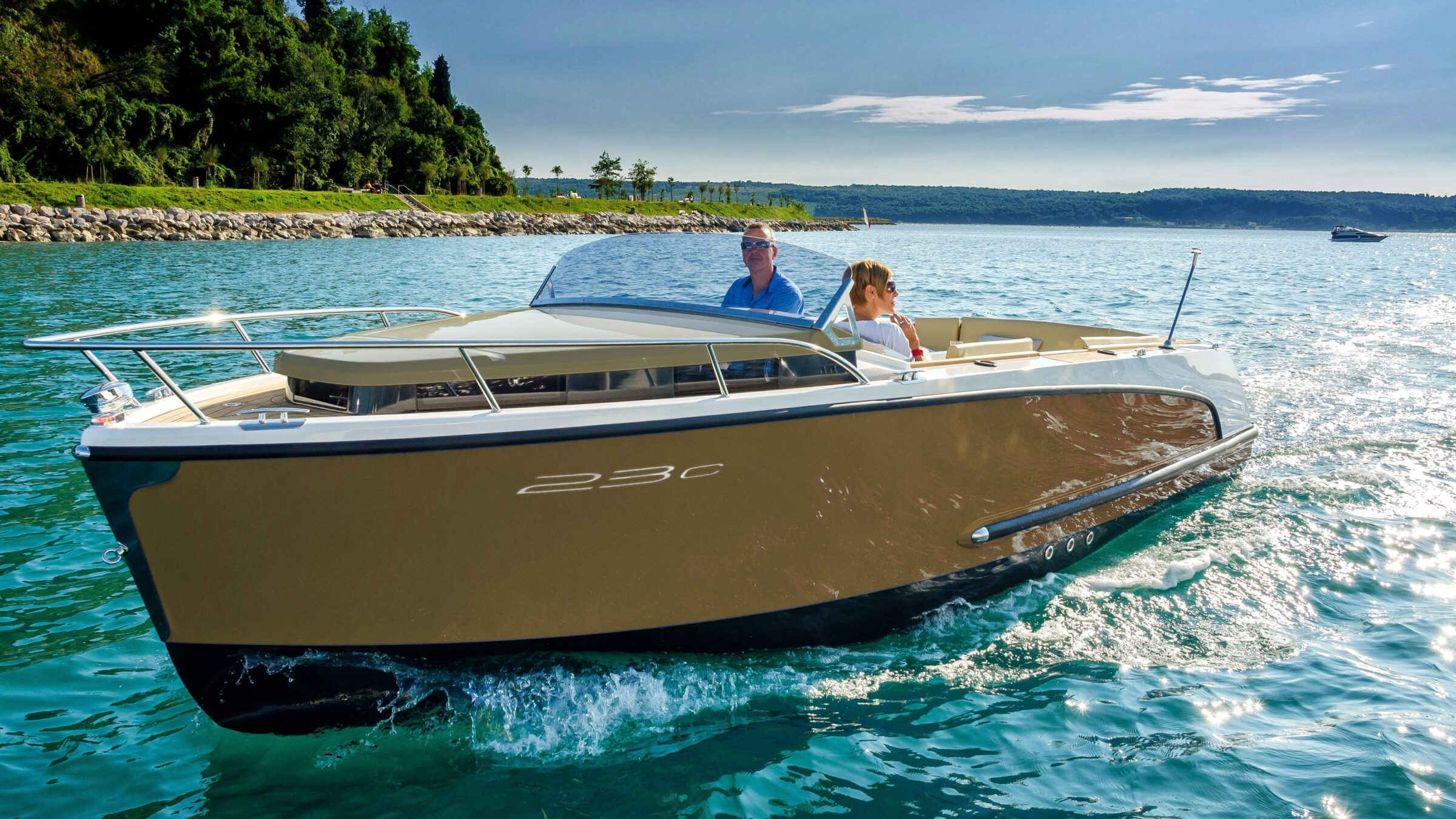
Everything about an electric boat depends on what it can store. Lithium-ion batteries have advanced markedly in recent years, with higher energy density, longer service life and faster charging. For the owner, those three gains add up to the two things that matter most: more range on a single charge and less time tied to the dock.
Weight is the other half of the equation. Designers are turning to carbon fiber and advanced composites to lighten their hulls, because a lighter boat needs less power to move through the water. Less power means less energy drawn from the battery, and more distance from the same charge. On an electric boat, every pound saved is range gained.
The question every owner asks
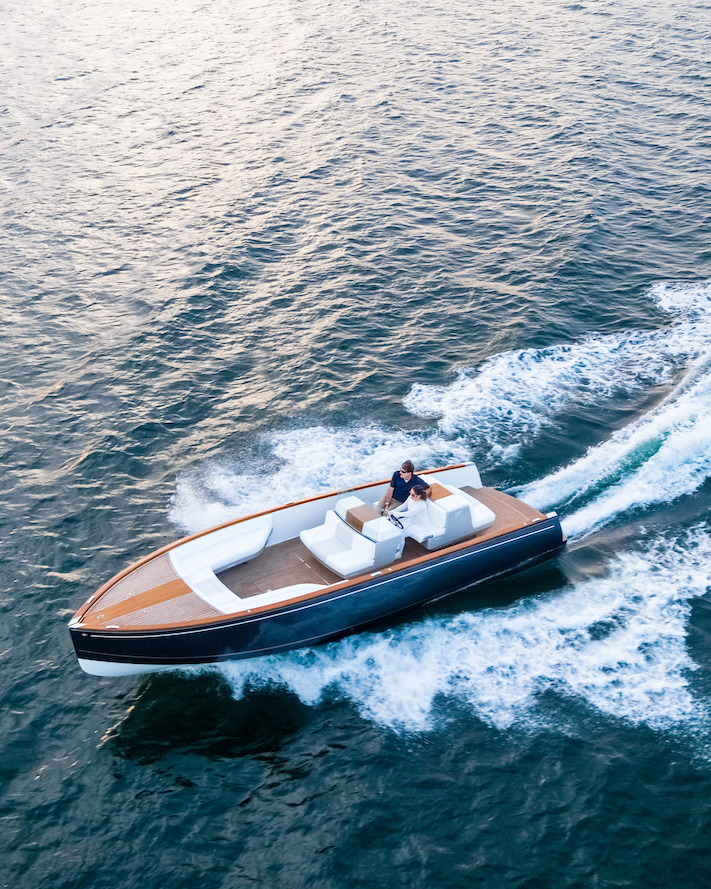
How far, and how long to recharge? Limited range and slow charging have been the two most persistent obstacles for electric boats, and they are the first questions any prospective owner raises. Recent systems extend autonomy enough to make longer outings possible without frequent stops to recharge.
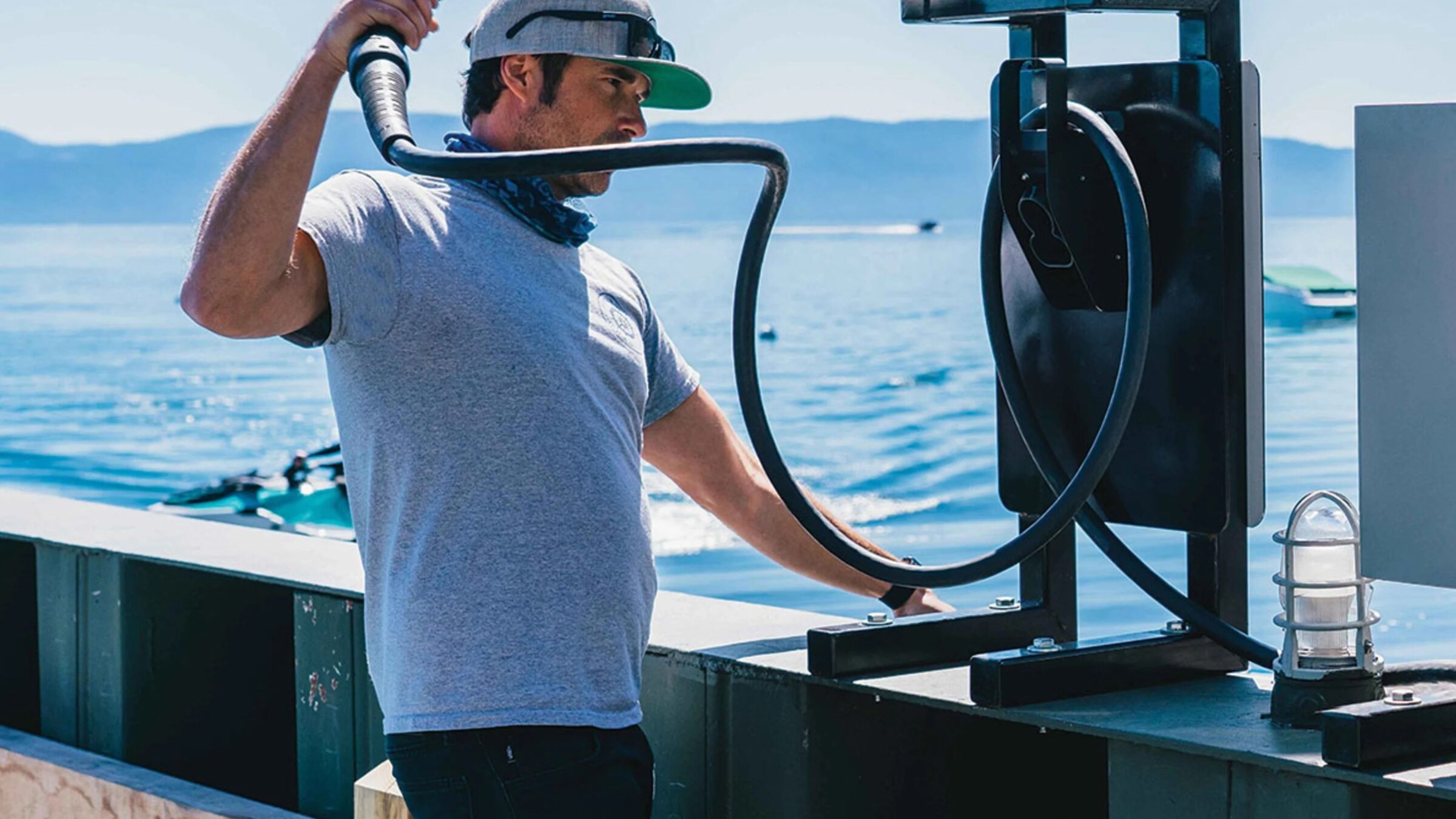
At the same time, fast-charging infrastructure is spreading, allowing boats to replenish their batteries at marinas and dedicated charging stations in far less time than before. Progress varies from one region to the next, but the direction is clear: electric boating is becoming a practical choice rather than a statement.
The question is no longer whether boats will go electric, but how far and how fast.
USA Onboard EditorialThree ideas shaping the shift
Not every owner is ready to rely on a battery alone. Hybrid systems pair electric motors with a combustion engine: silent, emission-free running for short trips, with the engine available for longer passages or emergencies. It is a way into electric boating without giving anything up.
Electric boats increasingly carry monitoring systems that report battery level, energy consumption and performance in real time. With that information, the skipper can plan a route against the energy available and arrive with a margin rather than a guess.
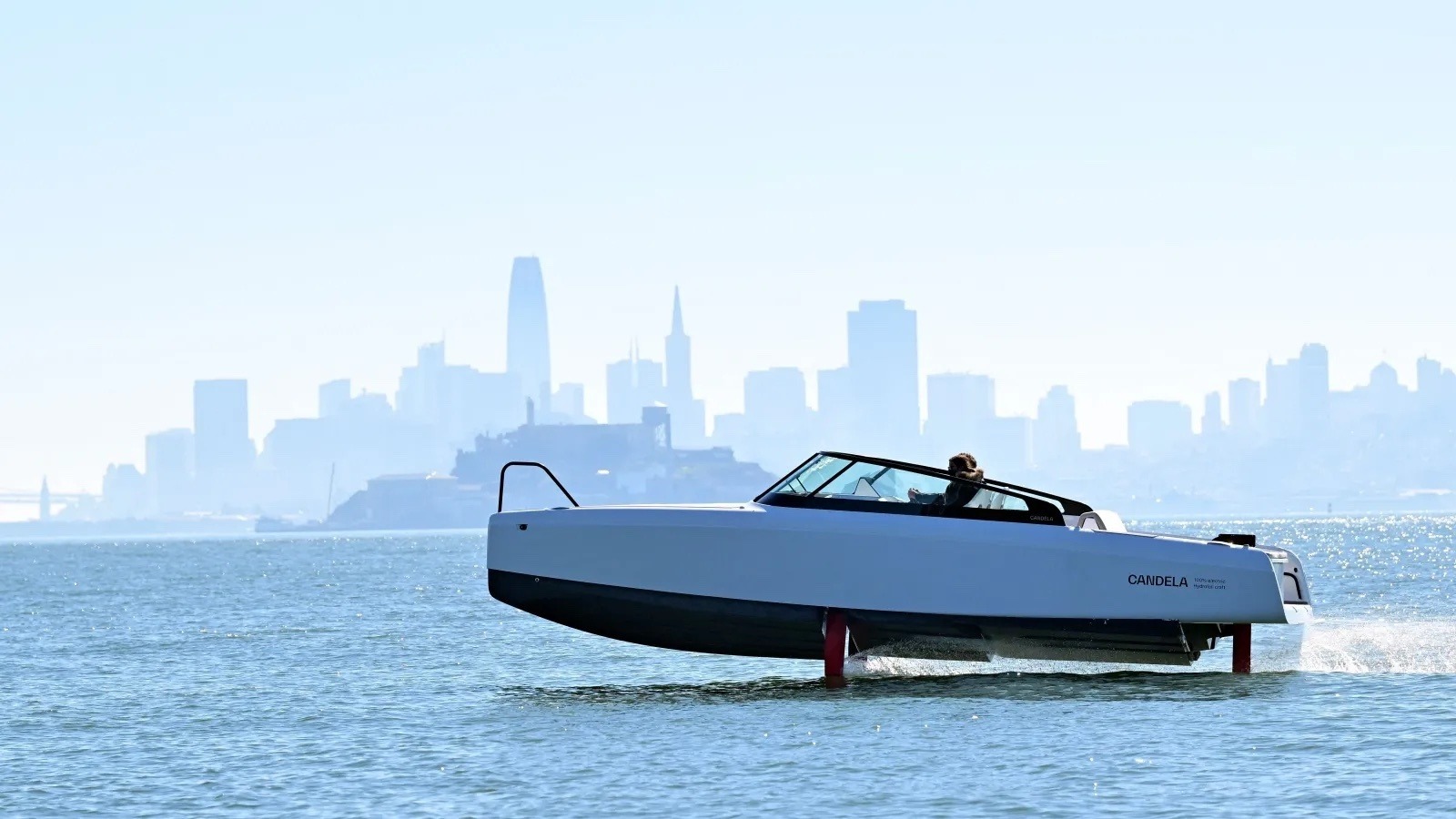
Carbon fiber and advanced composites reduce weight, and weight works against range. Some designers go further, lifting the hull clear of the water on foils to reduce drag. The shared goal is to do more with every kilowatt hour.
Where the fuel dock becomes a plug
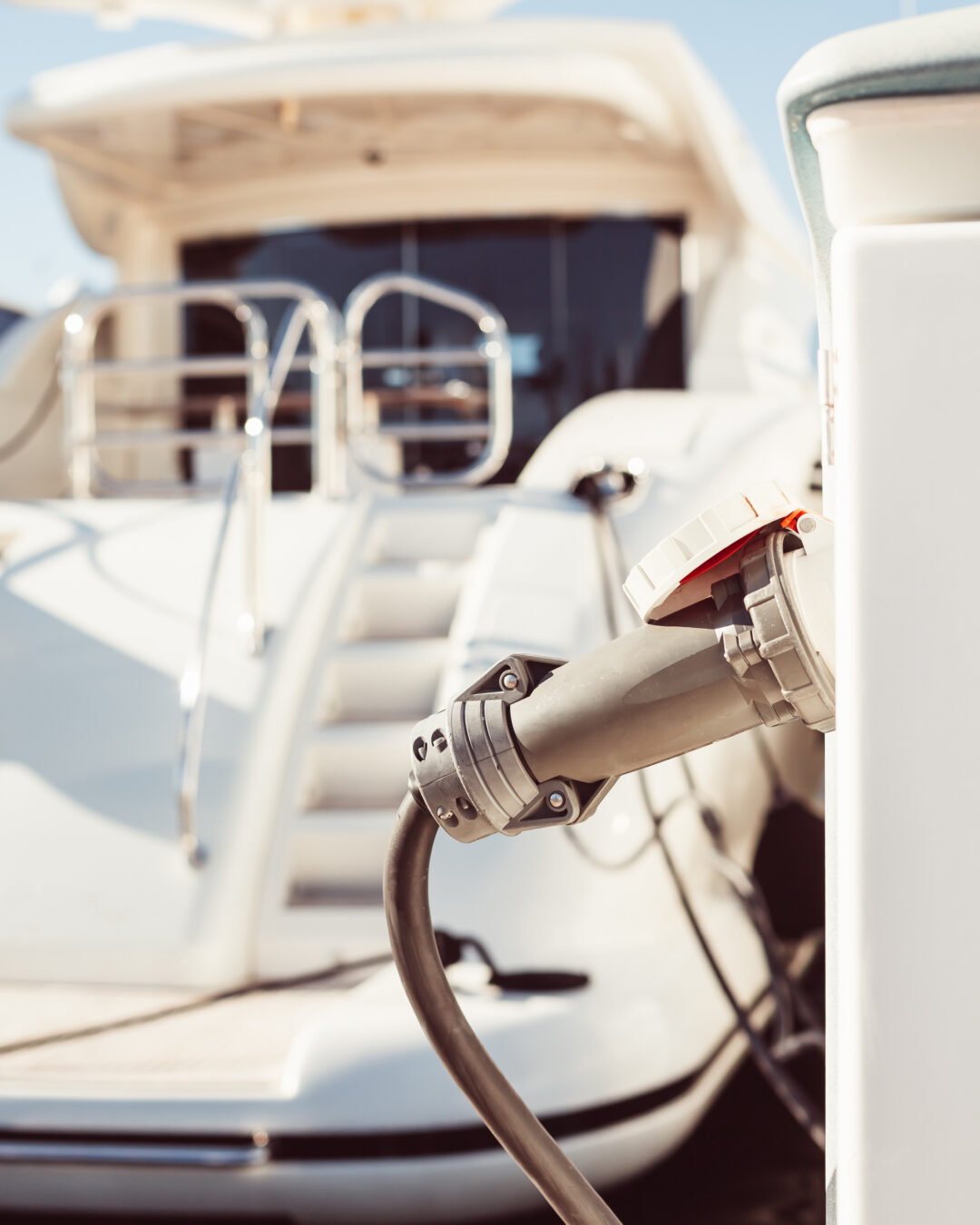
For electric boating to grow, the dock has to change as much as the boat. A charging point at a marina does the work a fuel pump used to do, and its presence, or absence, decides which routes an electric boat can realistically take.
As that network expands, the shape of a day on the water changes with it. Charging becomes part of the plan rather than an interruption to it, and the marina becomes a place to stop for energy as well as for lunch.
Are electric boats the future of boating?
Governments around the world are tightening environmental rules, and the marine industry is under growing pressure to cut its emissions. Electric propulsion fits within those rules and offers a direct way to meet stricter standards. In some waters, zero-emission operation is no longer a forecast but a condition of entry, and it is reasonable to expect other places to follow.
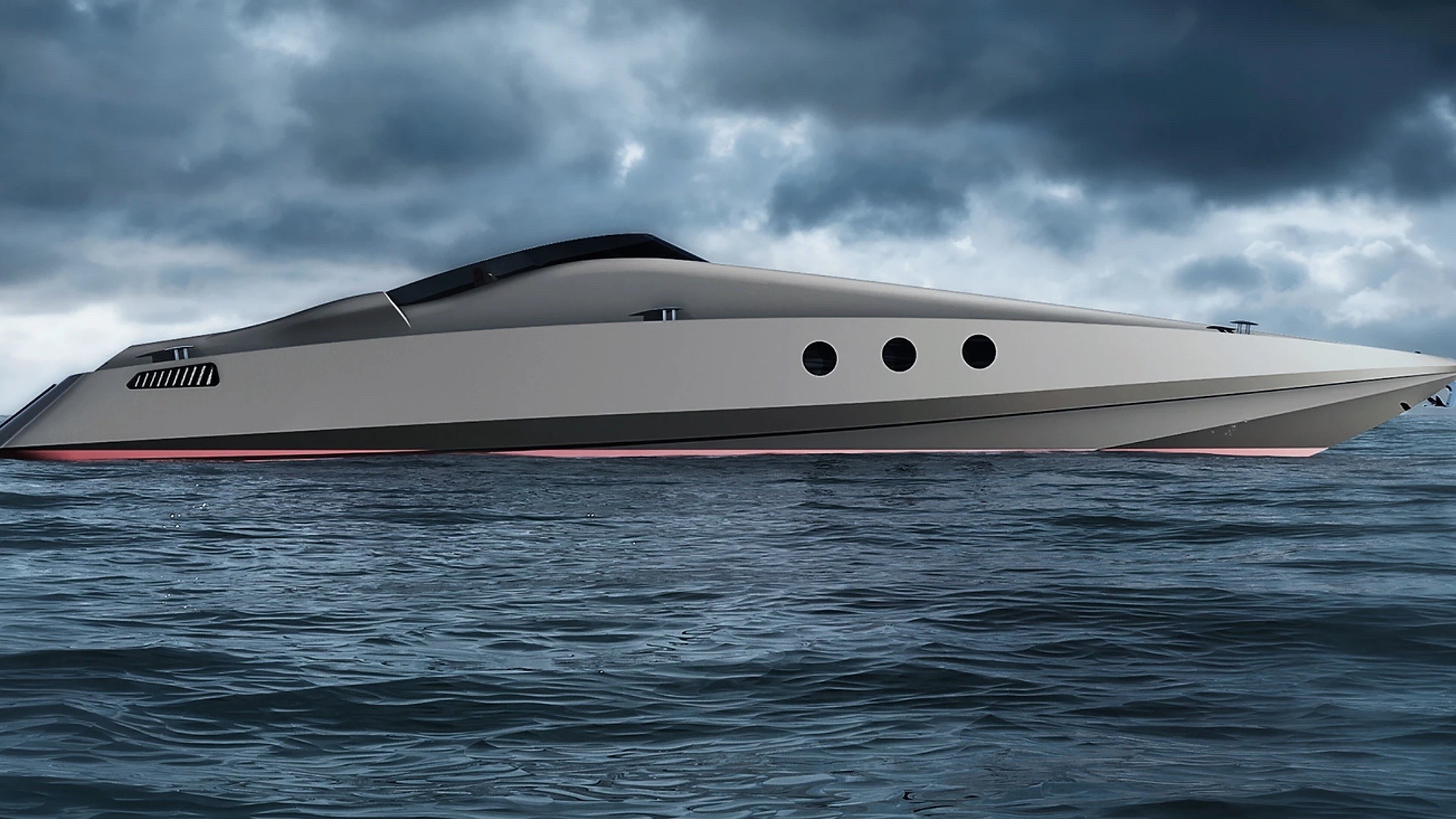
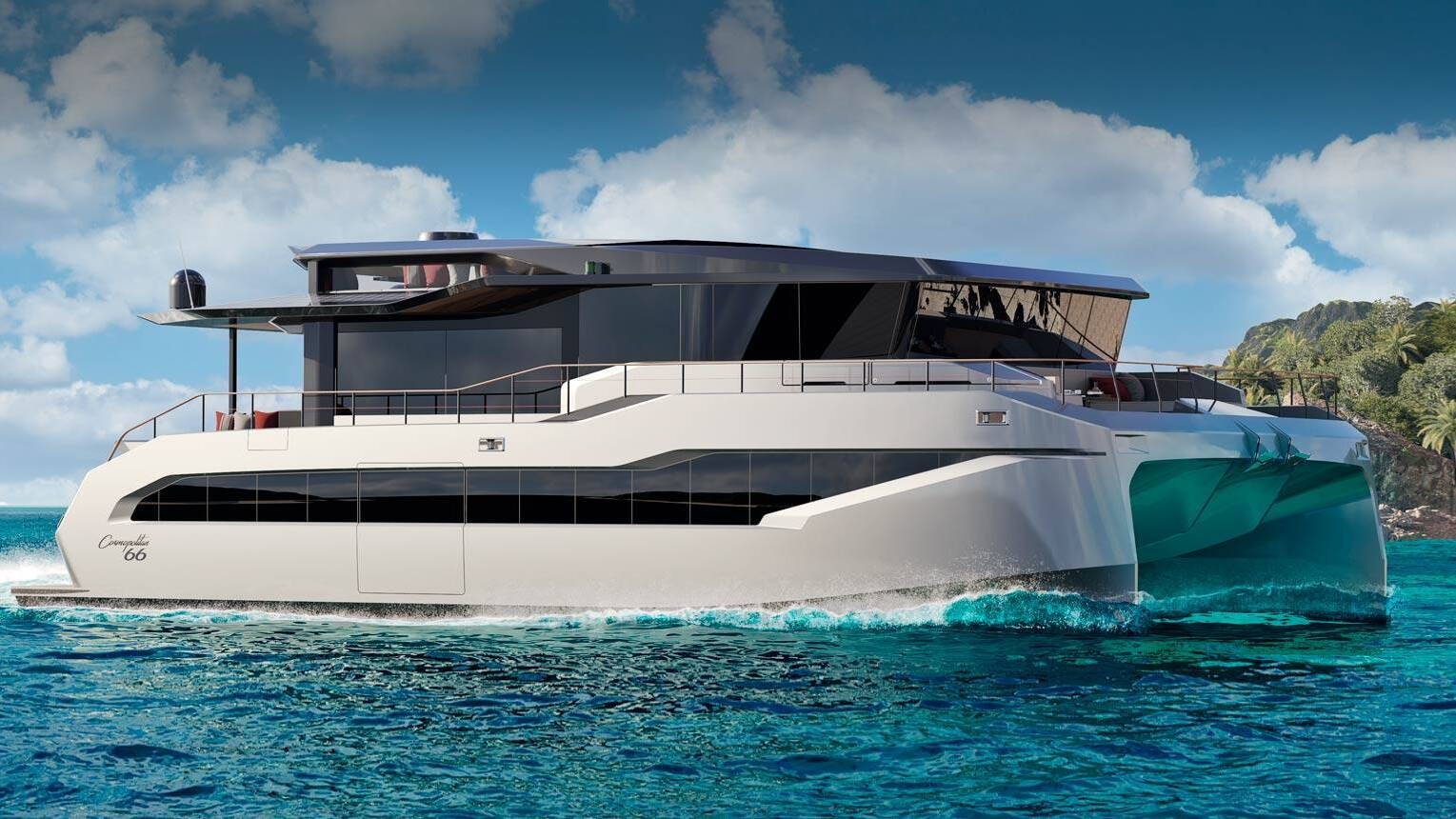
Design is moving in the same direction. Builders are exploring everything from hydrofoils that lift the hull out of the water to boats conceived from the start around the battery, while monitoring systems and lighter materials make each kilowatt hour count for more.
At a glance
A quieter way forward
Electric propulsion will not replace every engine on the water overnight, and boats built for long passages will keep combustion close at hand for some time. But the forces at work all point the same way: better batteries, more places to charge, smarter systems on board and rules that reward clean operation.
For owners, builders and the waters they share, the outcome is boats that are cleaner, more efficient and noticeably quieter. The future of boating will not arrive all at once. Part of it is already on the water.
Better batteries, lighter hulls and docks that deliver power instead of fuel: a quiet shift in how we move across the water.