

The Art of Exploring the Depths
A personal submersible opens an experience very few people know. Before choosing one, there is a single thing worth understanding fully: how it is certified. Three of the most respected builders in the world tell us how they do it.
There is a moment, just as the hatch seals and the light from the surface begins to give way, when the sea stops being a landscape and becomes a destination. Few luxury objects offer anything like it. A personal submersible does not carry you across the water. It takes you inside it.
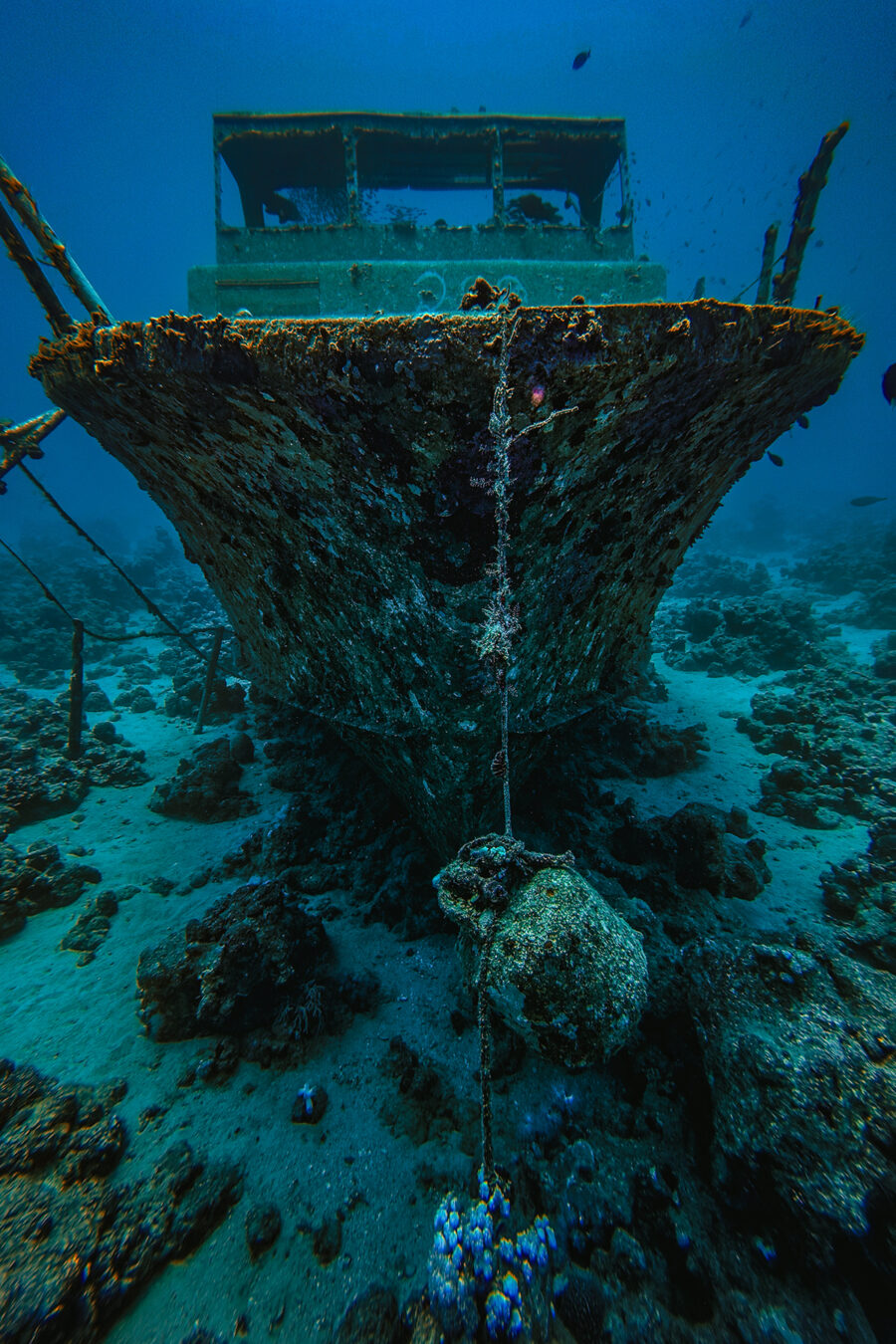
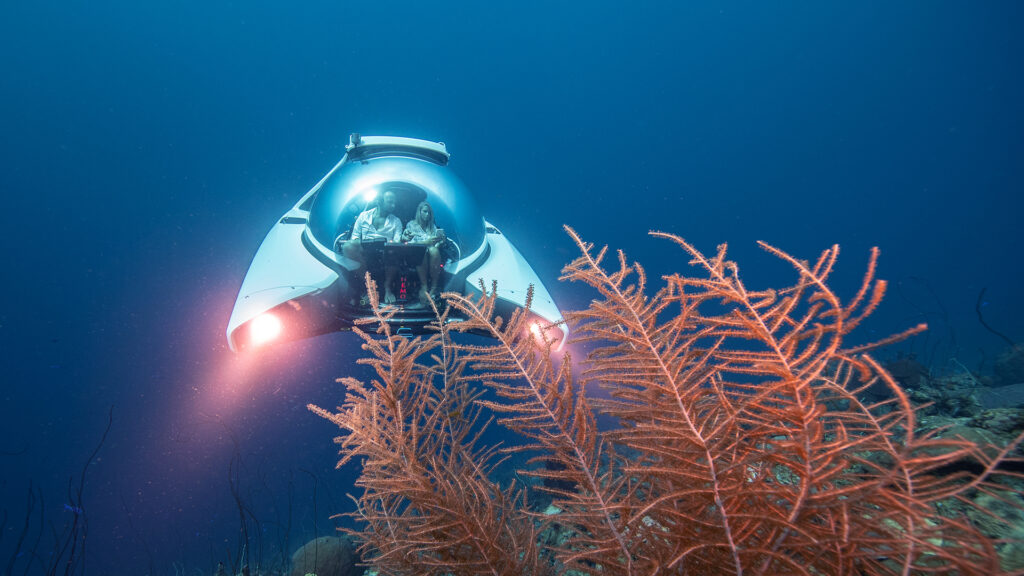
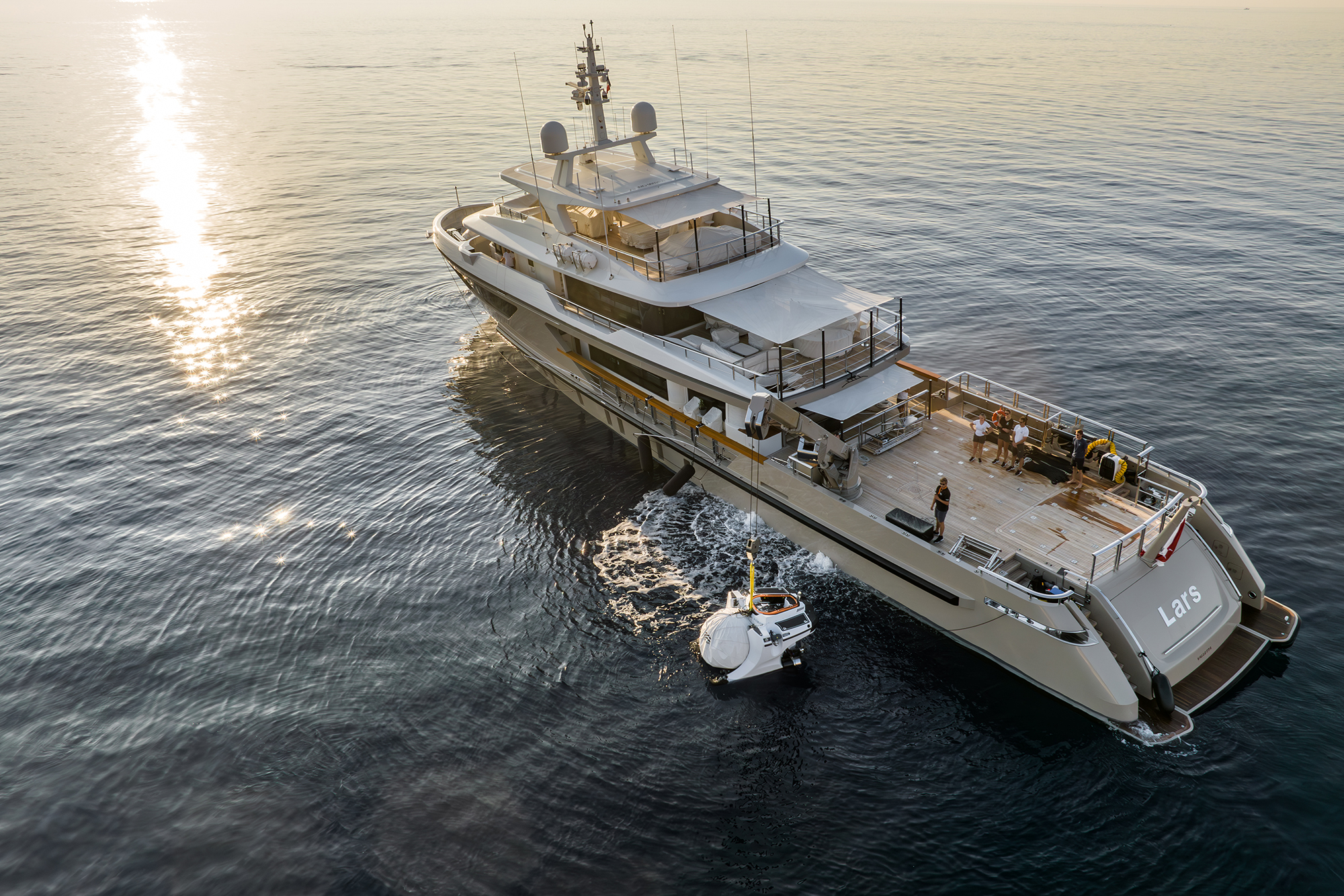
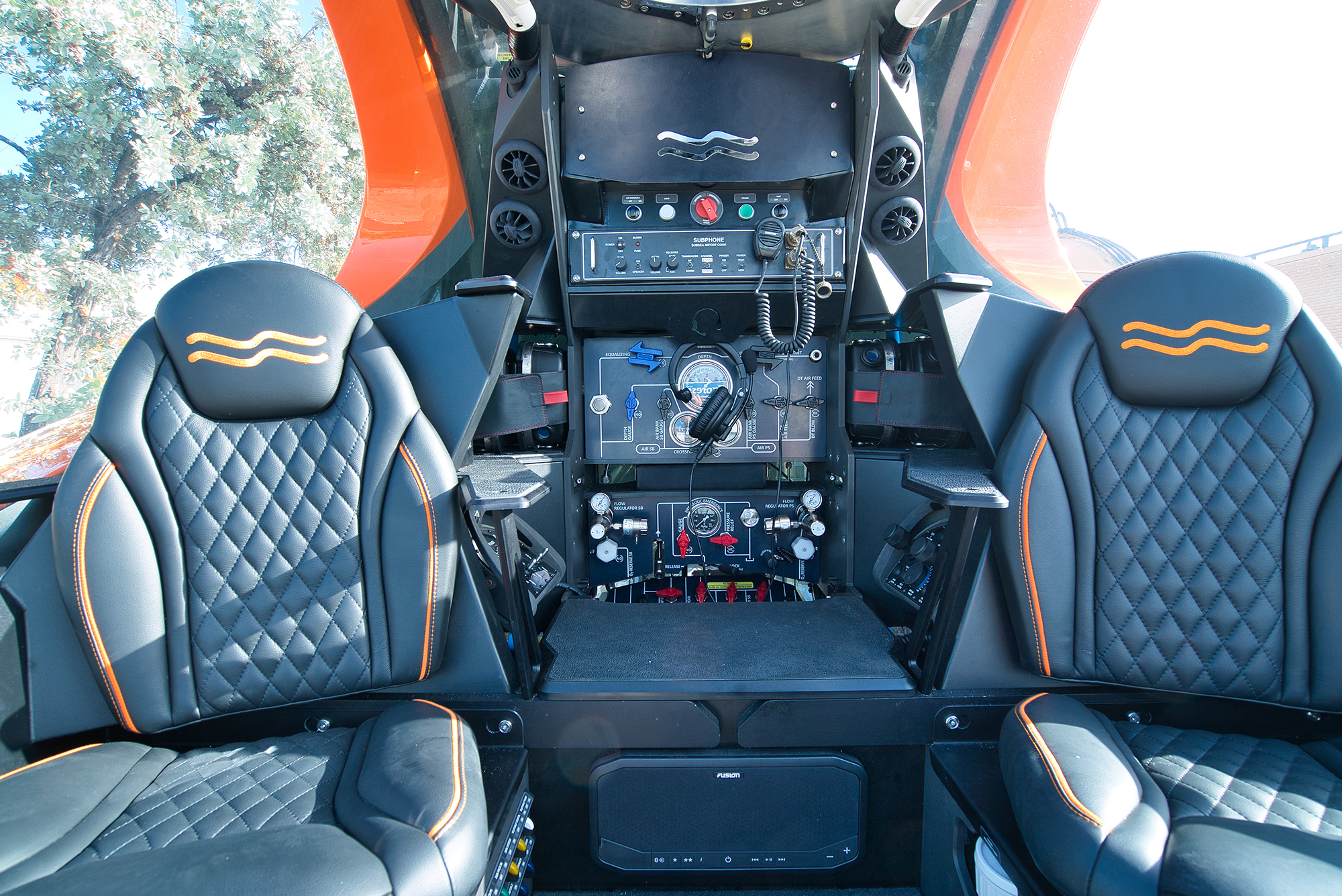
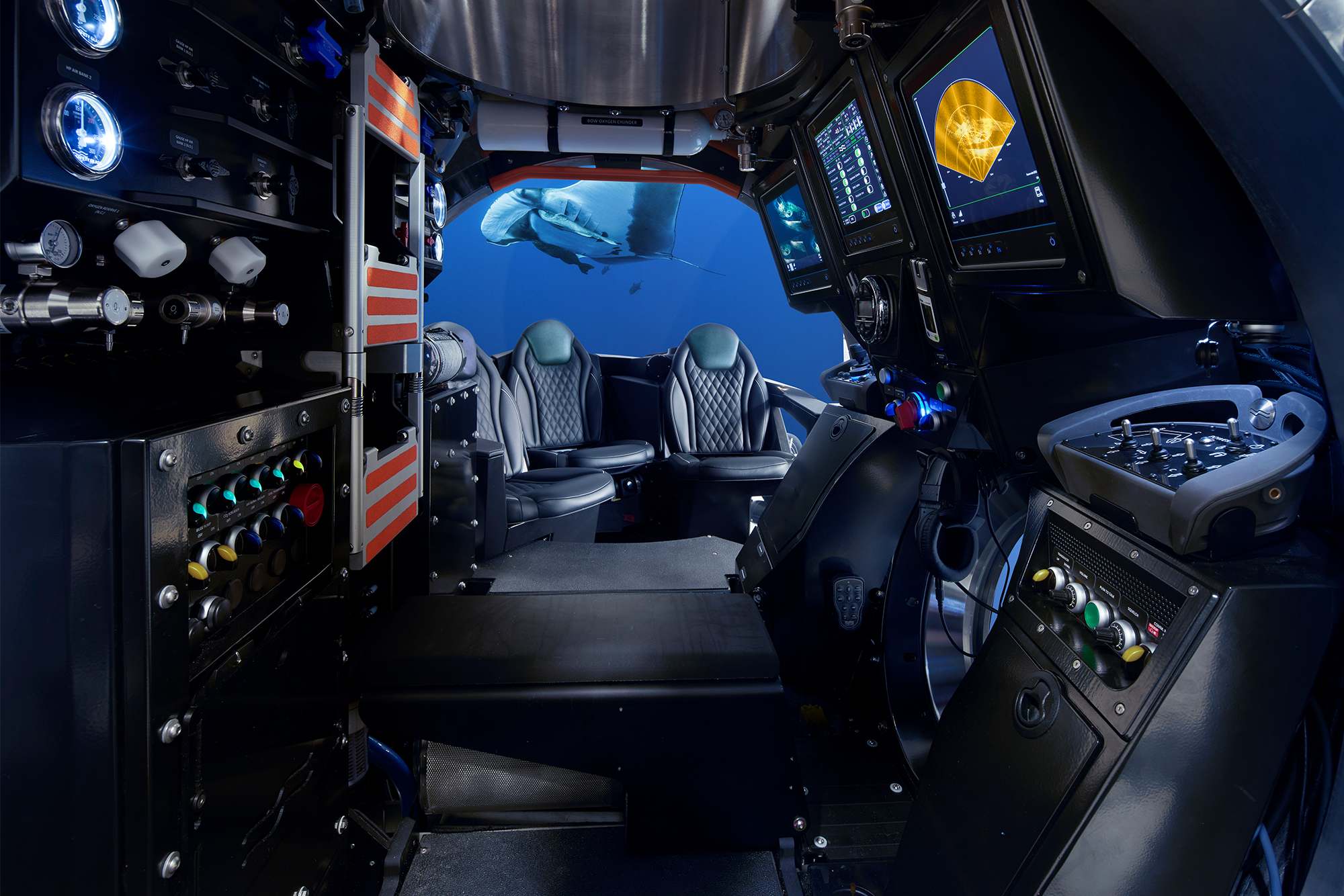
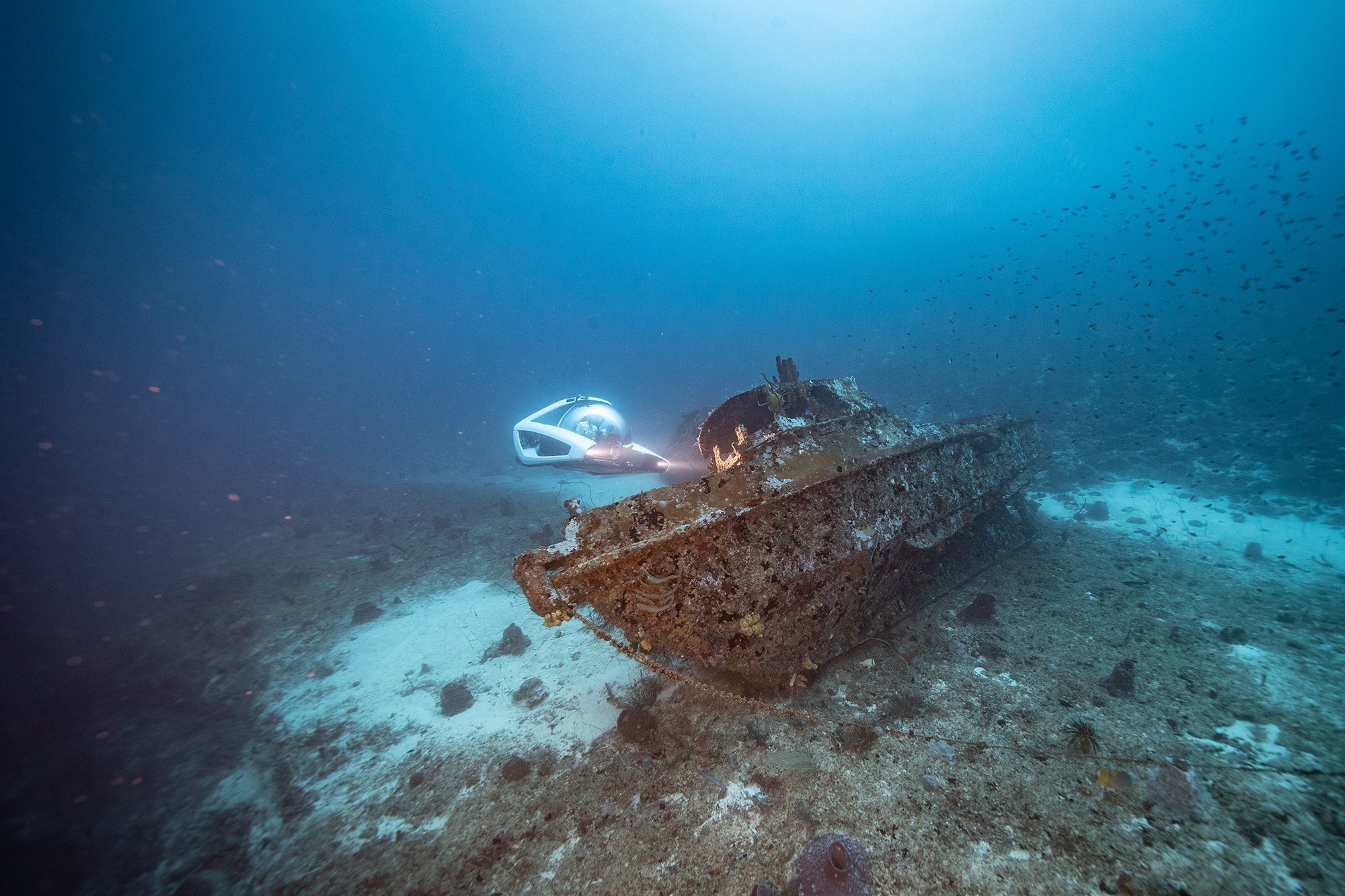
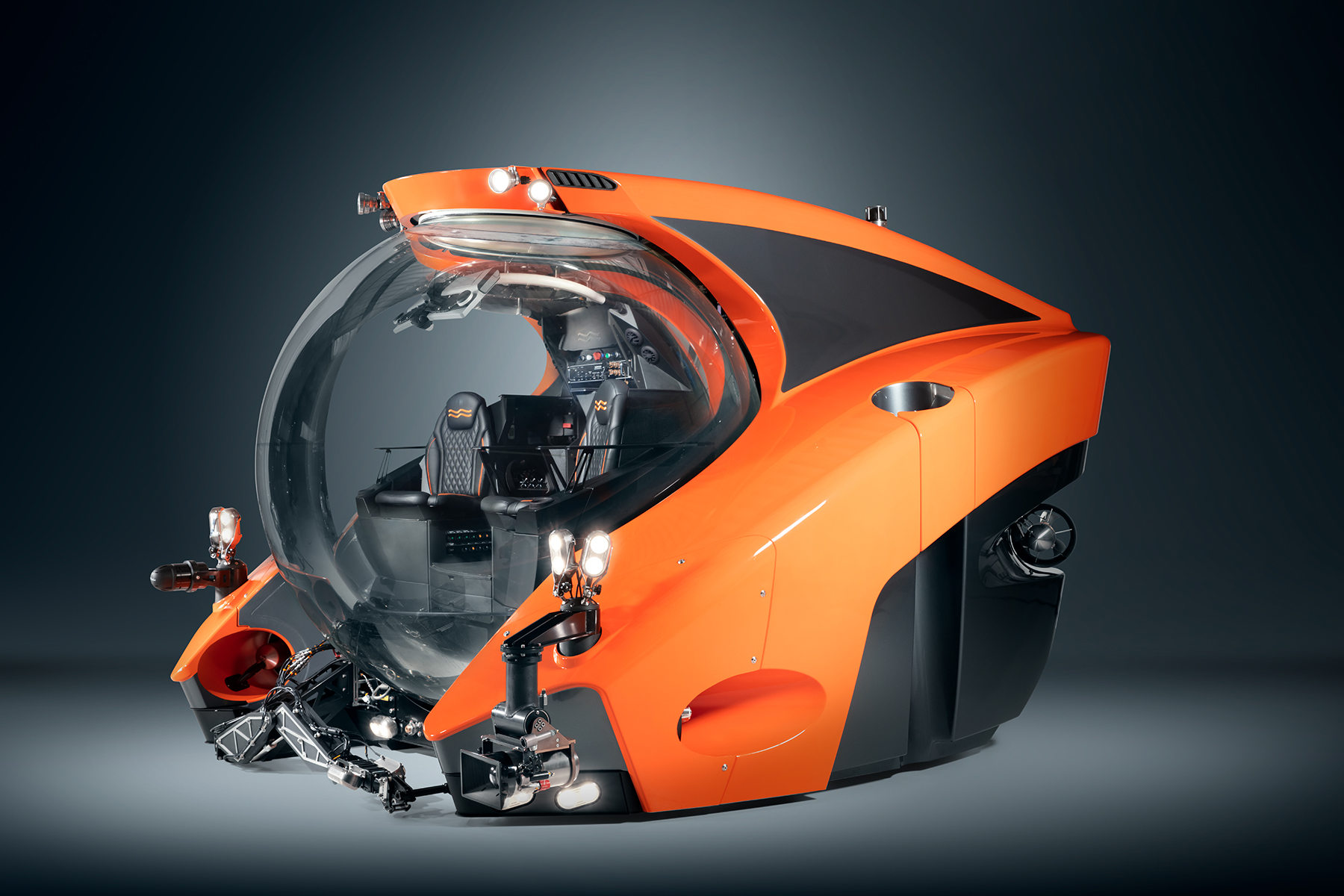
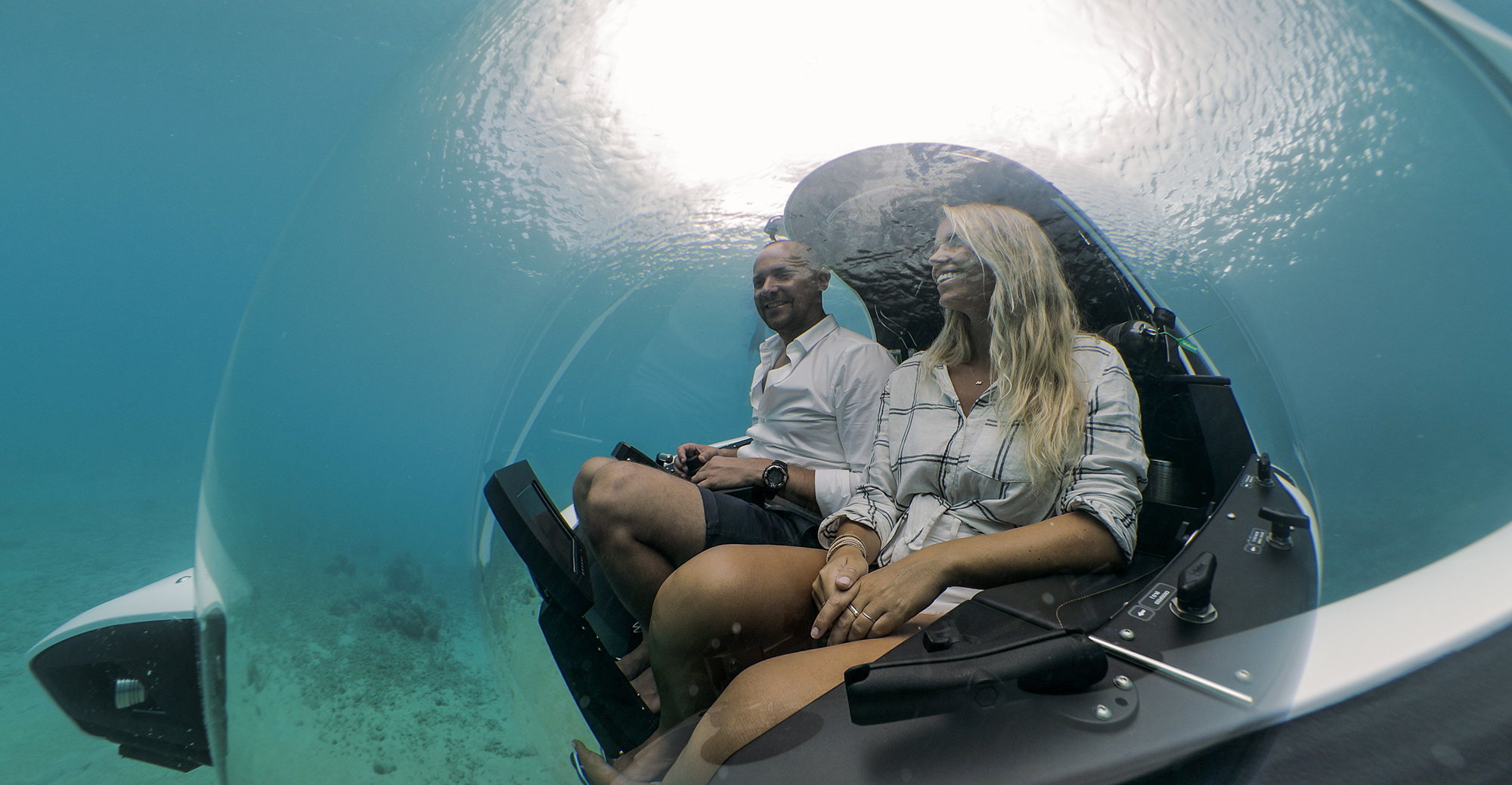
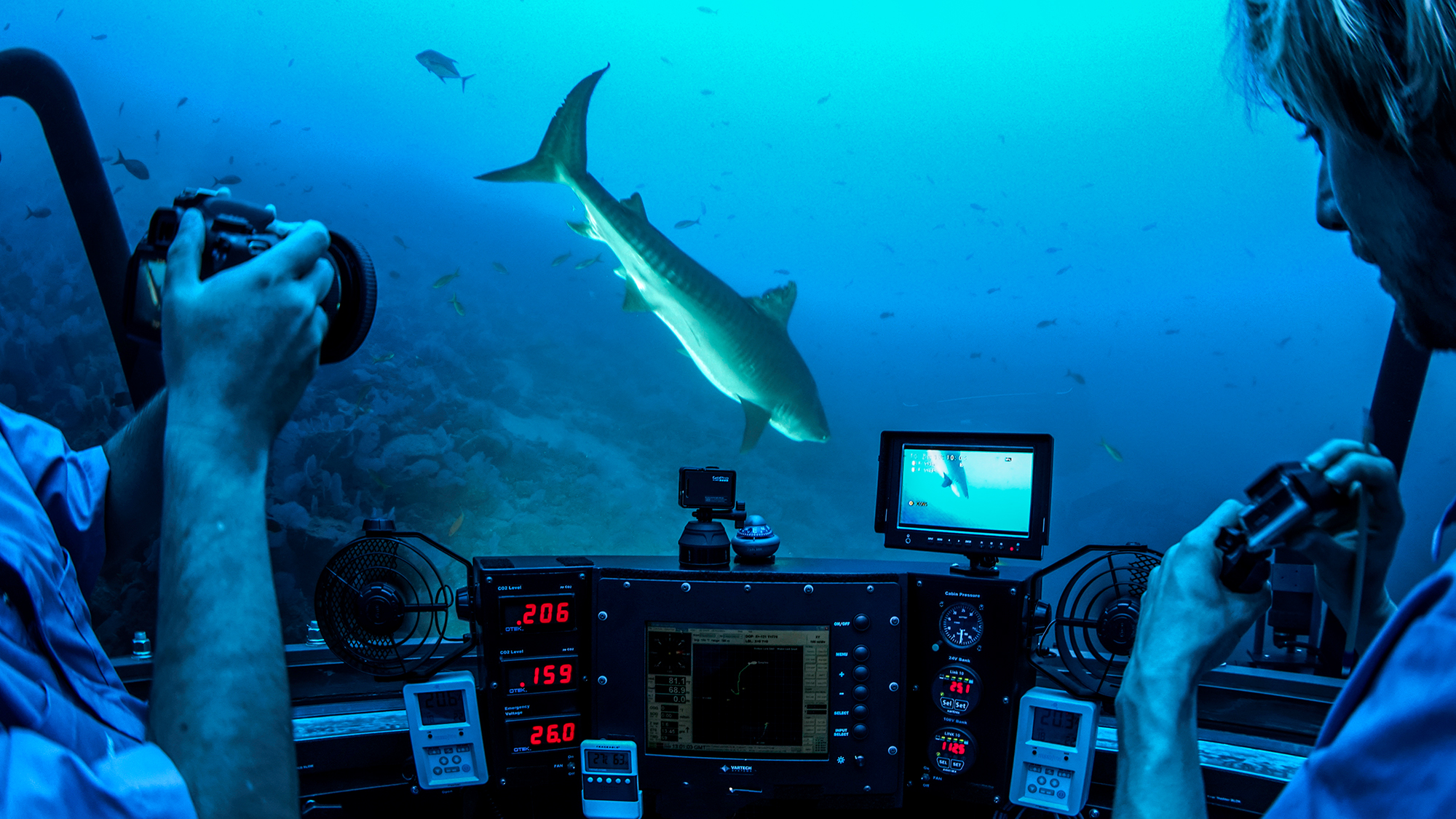
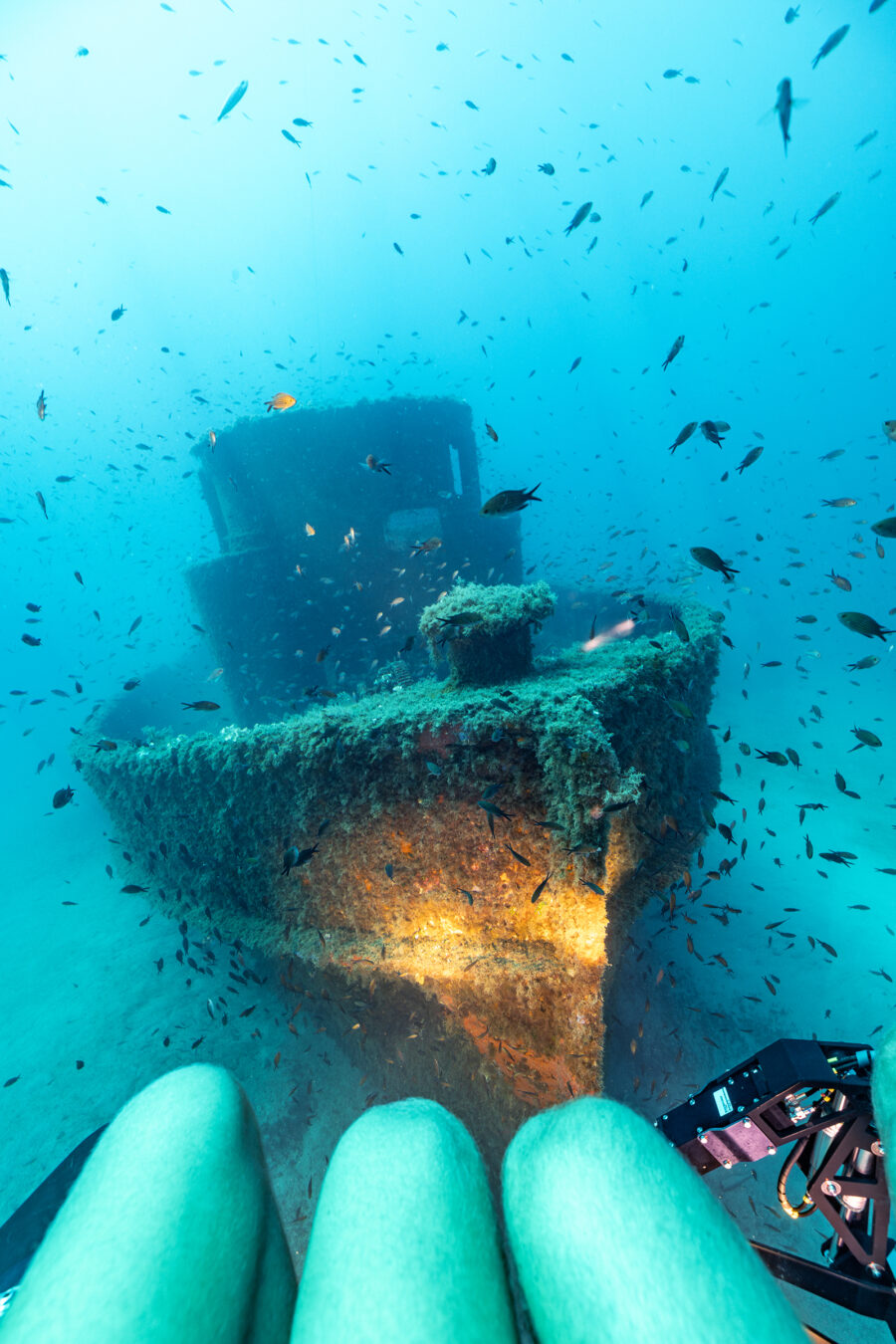
For a long time, descending beneath the surface was the province of science. Today it is also a refined form of pleasure. A personal submersible is a capsule of comfort and panoramic vision that drops tens or hundreds of meters and delivers, on the other side of the acrylic, a world of silence, color and creatures that almost no one gets to see in person. Many are built to travel aboard a yacht, so that every anchorage becomes the doorway to a private expedition.
That experience rests on serious engineering, which is why there is one thing worth understanding well before choosing: how the submersible is certified. Certification is the assurance, verified by an independent third party, that the hull was designed, built and tested to withstand the pressure and return its occupants to the surface, once and every time after. It is not a formality. It is the foundation the whole pleasure of going down rests upon.
The subject drew public attention in 2023, when the Titan, an experimental submersible built and operated by the company OceanGate, imploded on its way to the Titanic. That craft was the exception, not the rule: OceanGate had chosen to operate it outside the independent classification system the rest of the industry had followed for years. In 2025, the United States Coast Guard closed its investigation with a conclusion that, far from alarming, reassures: it recommended a broader and clearer safety framework for the entire category. Put simply, choosing a personal submersible is a safer and better-informed decision today than it was just a few years ago.
With that in mind, we did something simple. We sat down with three of the most respected builders in the world and asked them to tell us, in their own words, how they certify their models. We put the same questions to all three. In what follows you will read their answers and, above all, you will understand what to look for when it is your turn to choose.
The Questions We Asked
No fine print. These are the questions we put to the three builders, the same for each one, to understand how they look after what you cannot see from the window.
- Which classification society certifies each model in your range, and under which rules?
- Does classification reach every unit delivered individually, or is it enough to approve the model once?
- At which stages of construction is a surveyor present?
- What inspection continues after delivery, and at what interval?
- Which recommendation in the Coast Guard report would most affect your operation if it became binding?
- What should a buyer ask, and almost never does?
Three Houses, One Privilege
The world of personal submersibles is small and demanding, held up by a handful of builders who have spent years, in some cases decades, perfecting the art of going down and coming back. We spoke with three of the most respected. They do not compete on depth or speed. They compete on different ways of understanding what it means to descend. They are worth knowing before you hear what they have to say about safety.
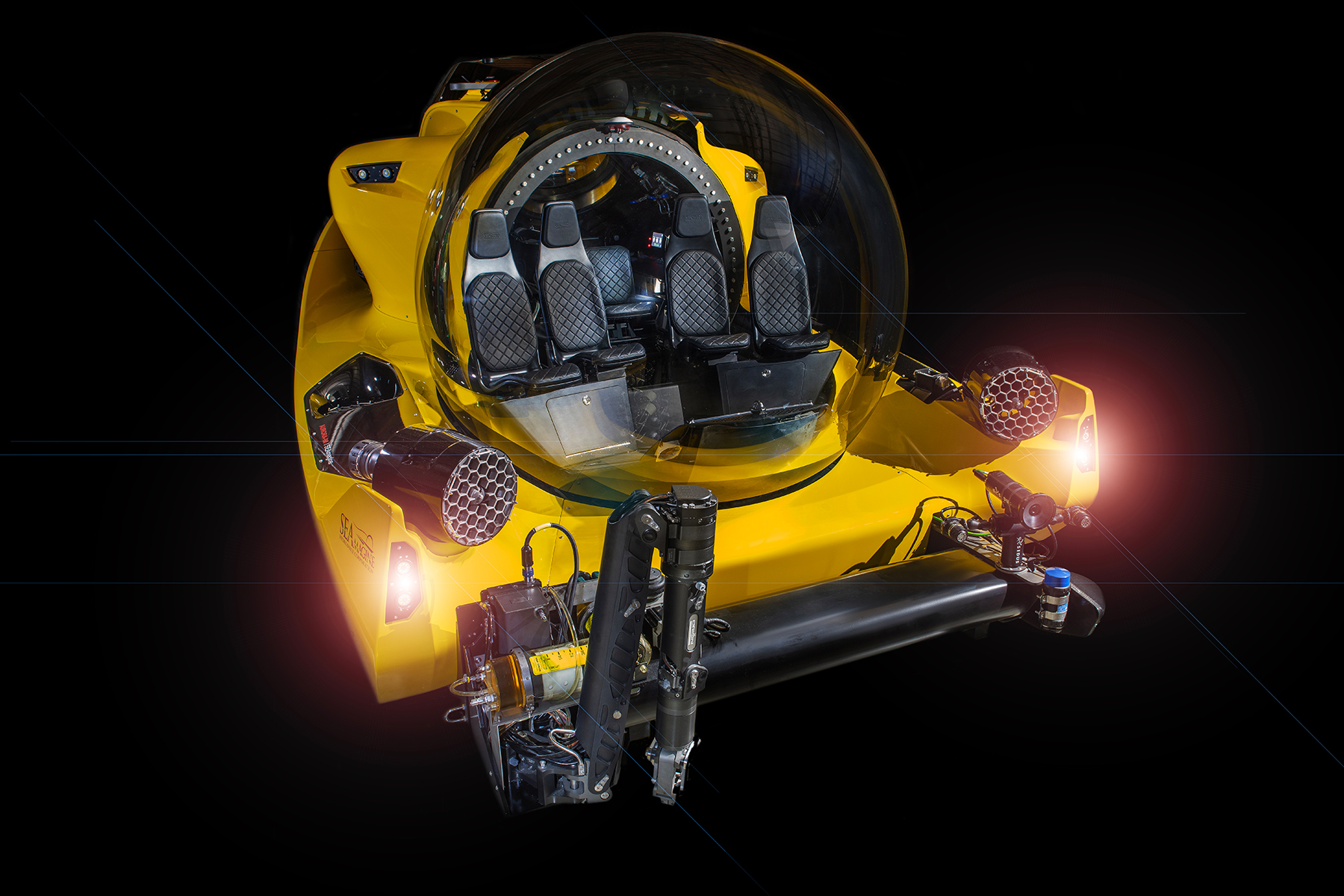
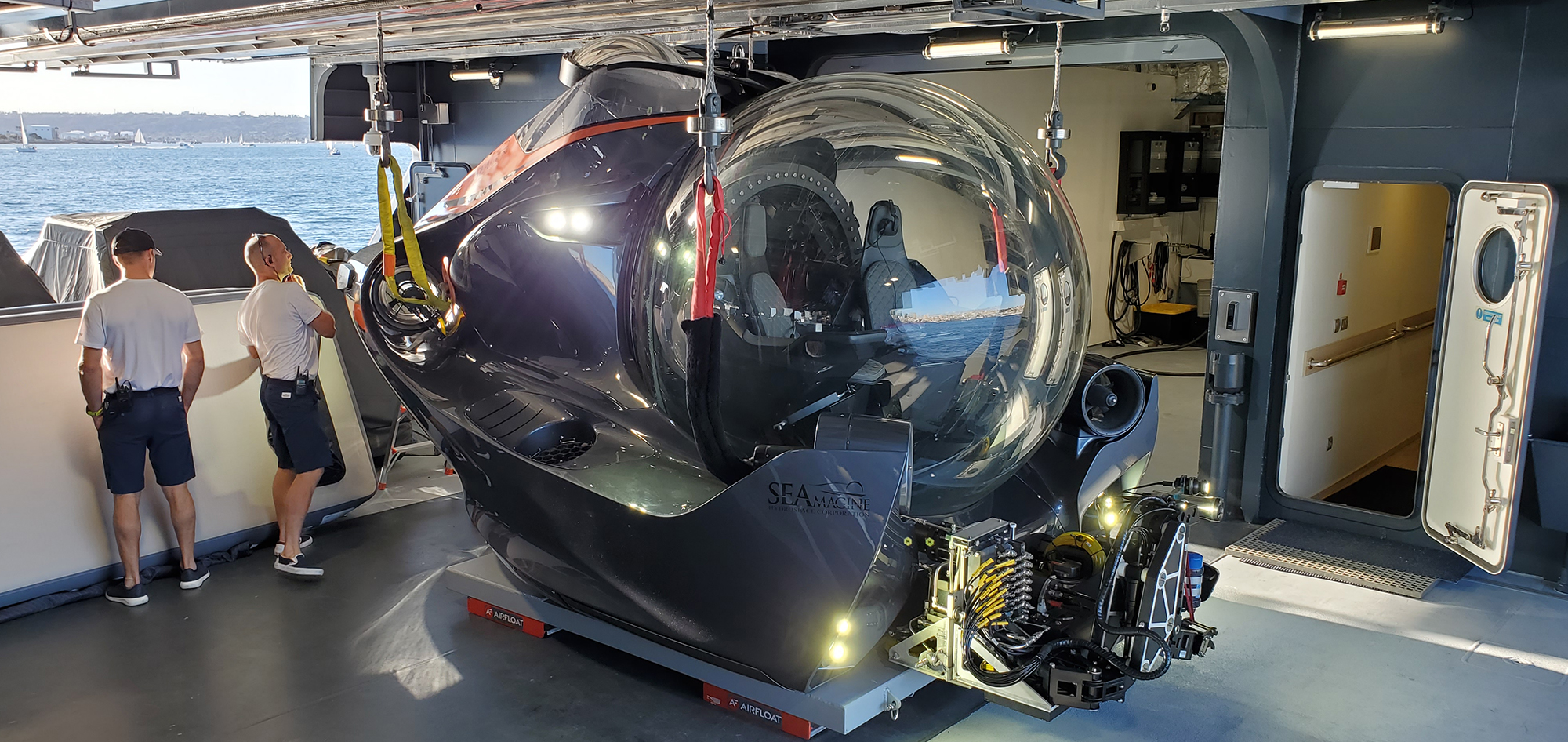
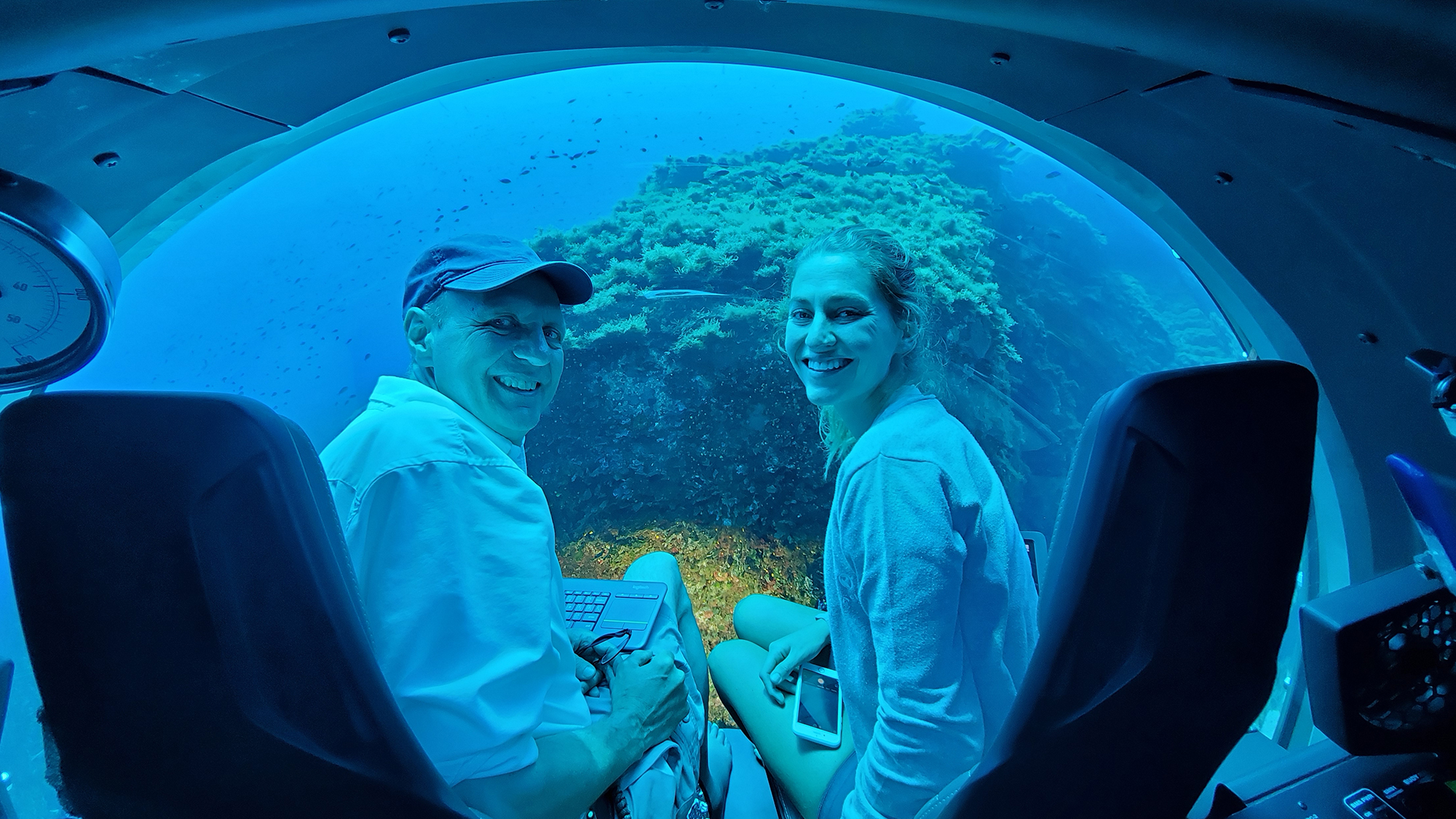
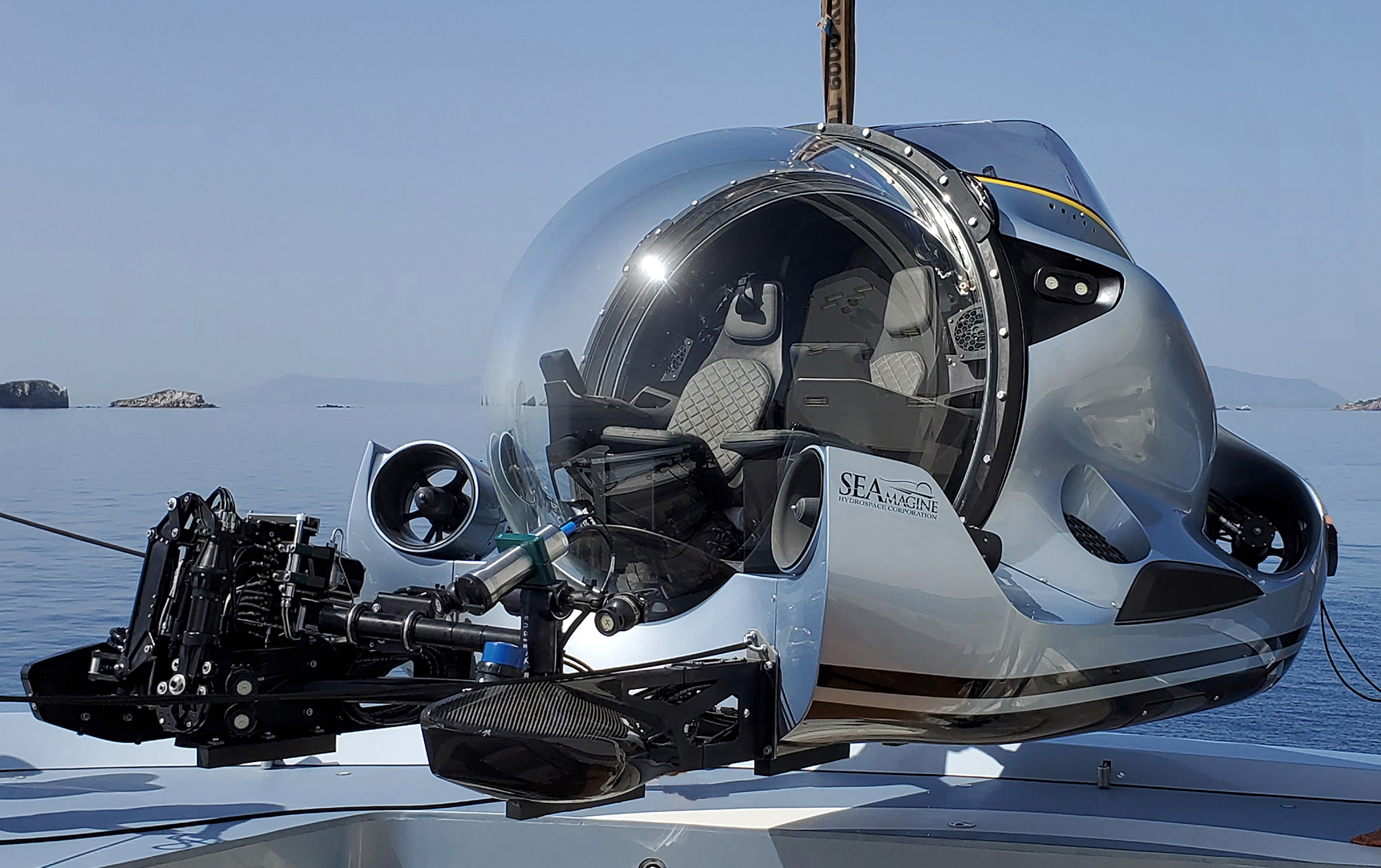
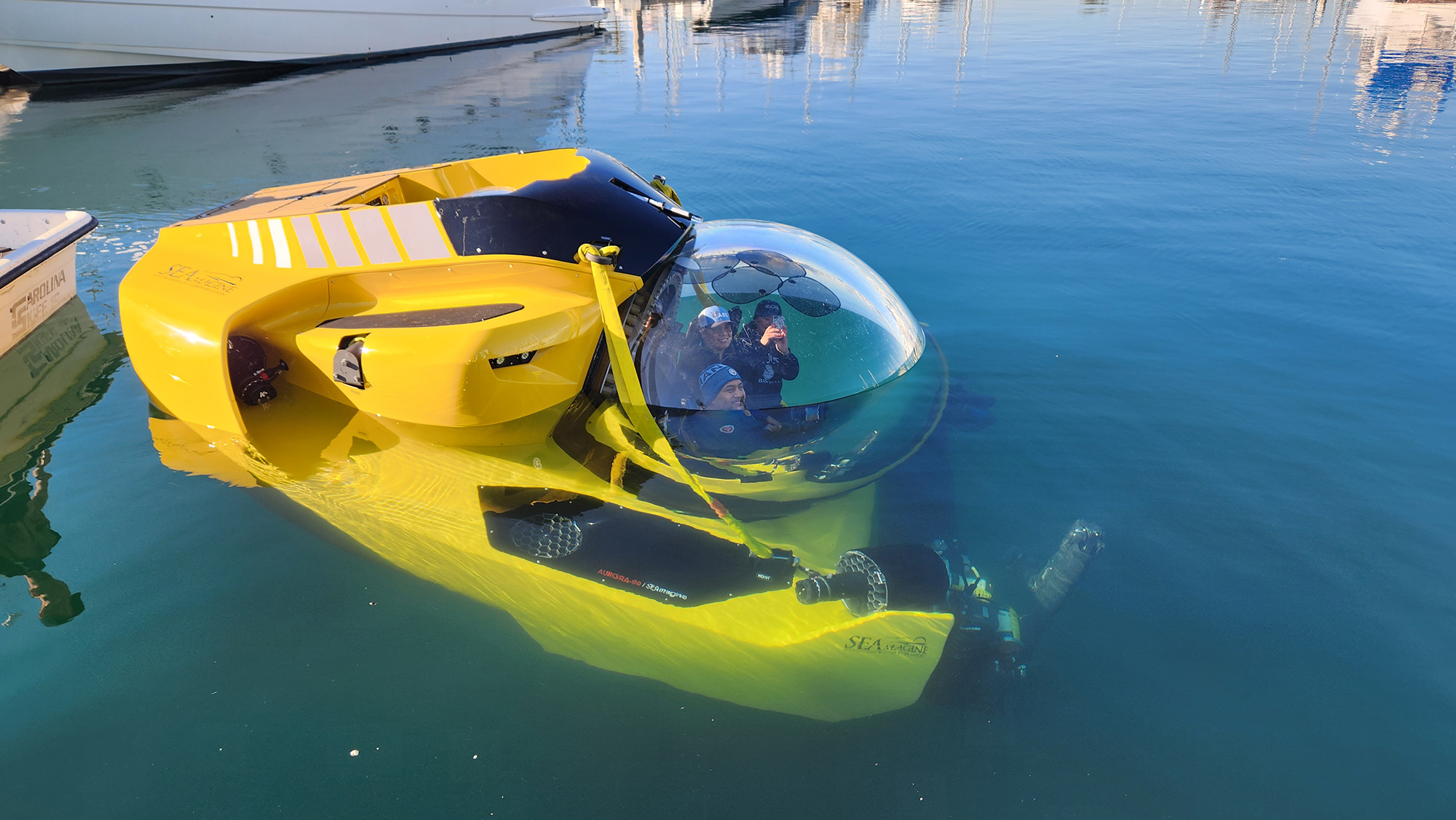
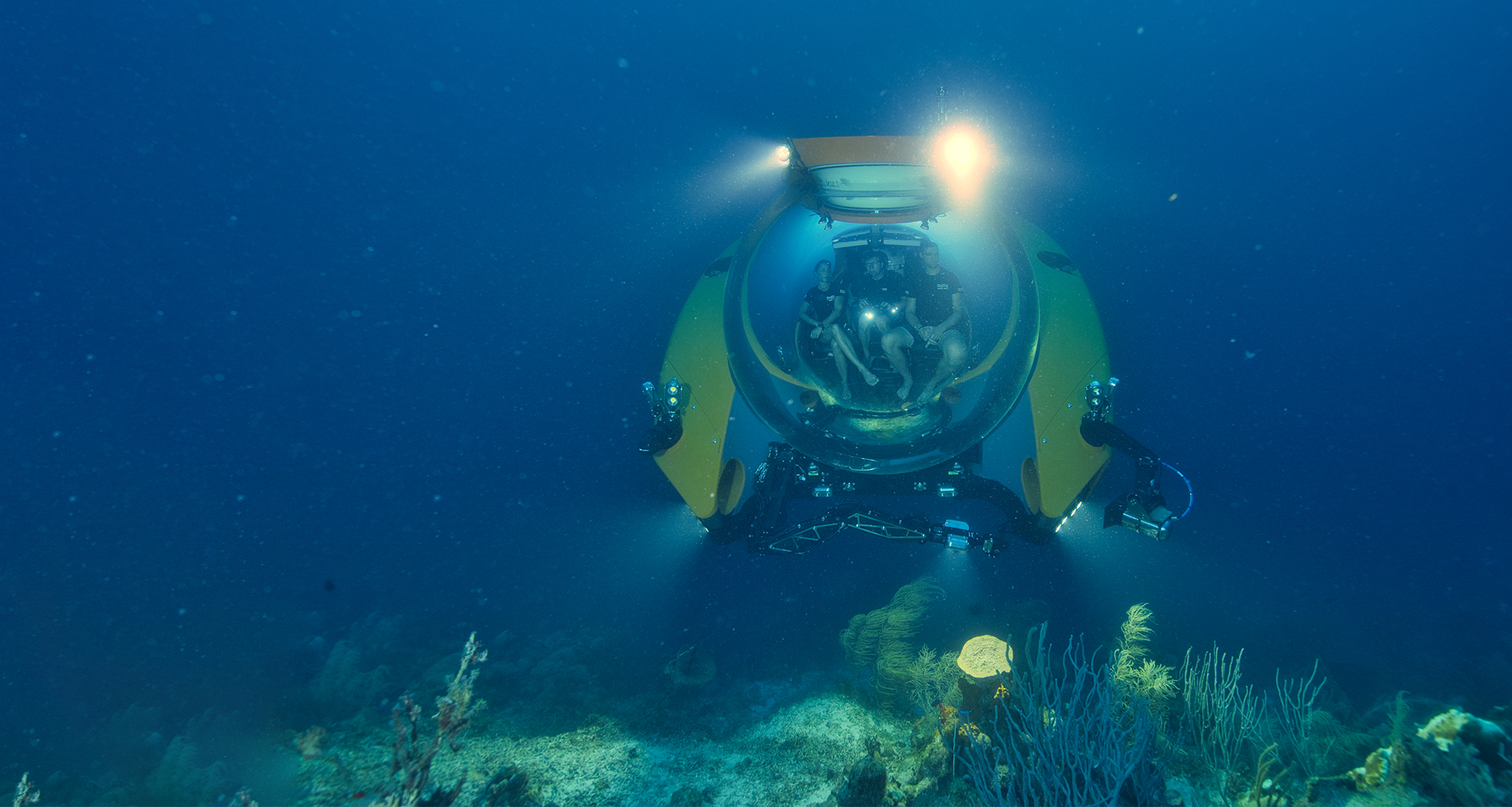
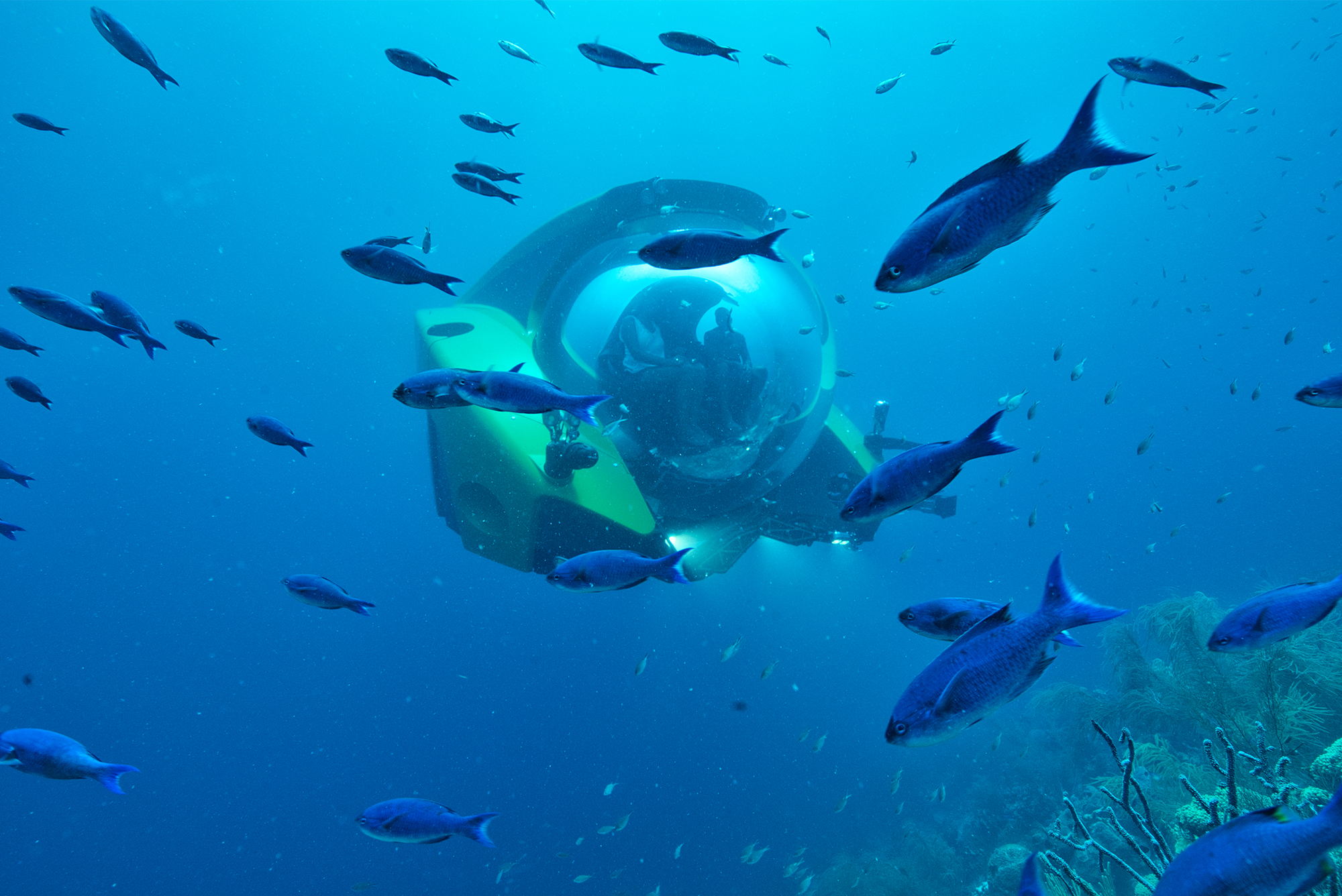
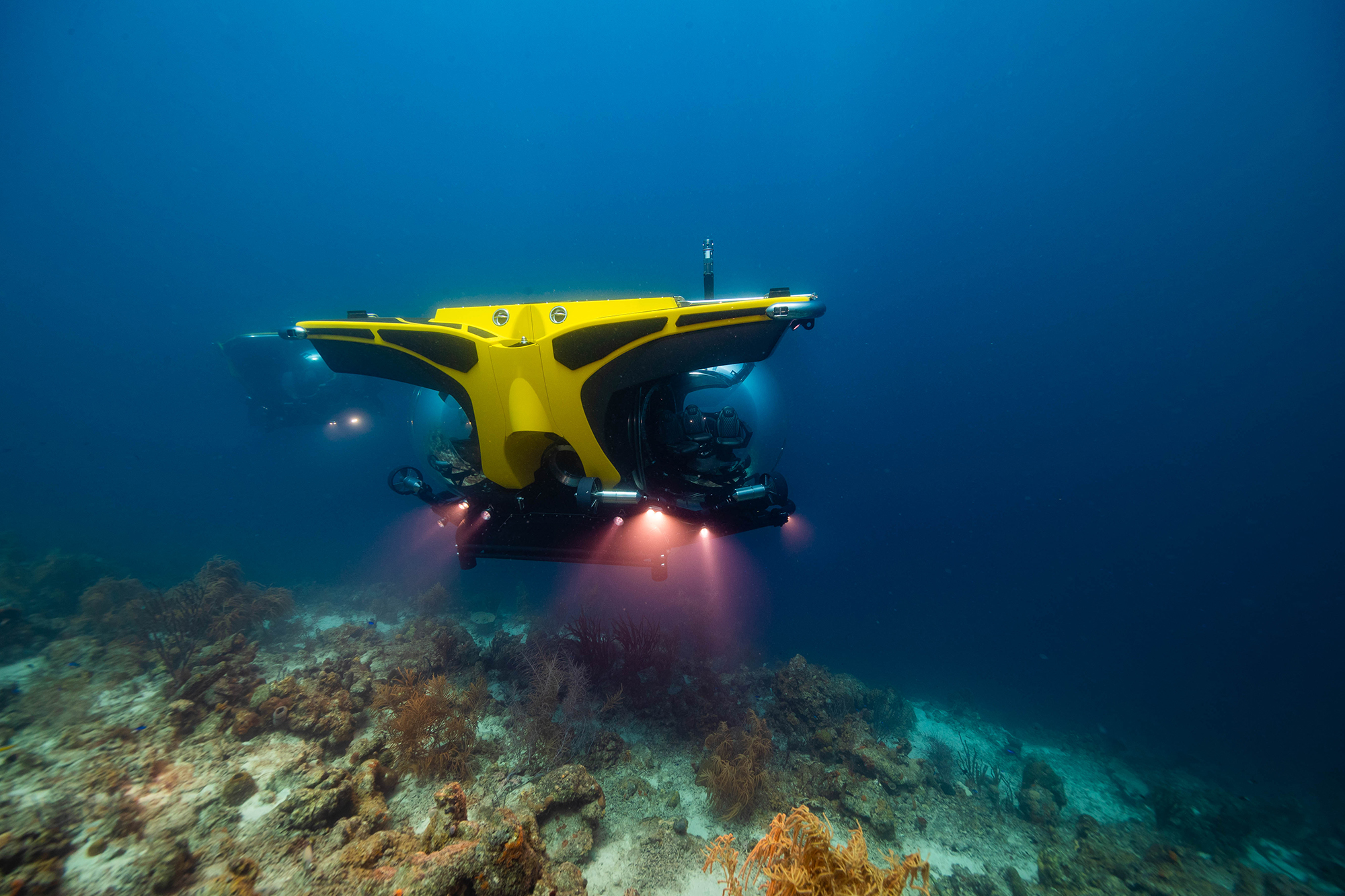
Founded in 1995, SEAMAGINE is one of the most seasoned houses in the modern craft, and it shows in the calm with which it speaks. Its signature is an acrylic spherical cabin that offers an almost total view of the outside, mounted on an open frame that makes it unmistakable. Its submersibles do not live only on yachts: they work in science, in tourism, in commercial and defense missions, and that varied life has given them something money cannot buy, dive hours. Collectively, the company says, its submersibles have completed more than 13,000 dives. When SEAMAGINE talks about safety, it speaks from thirty years of logbooks.
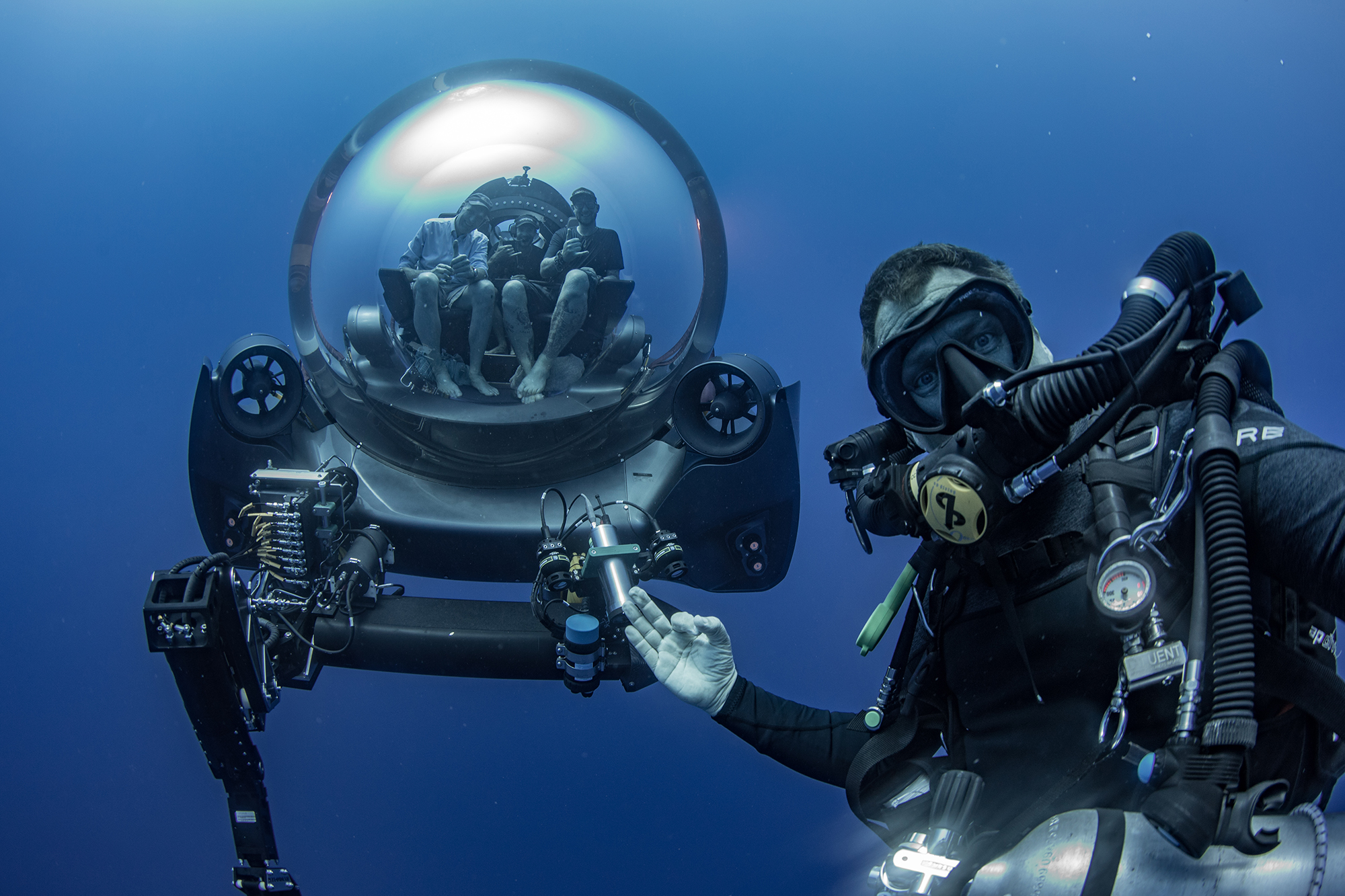
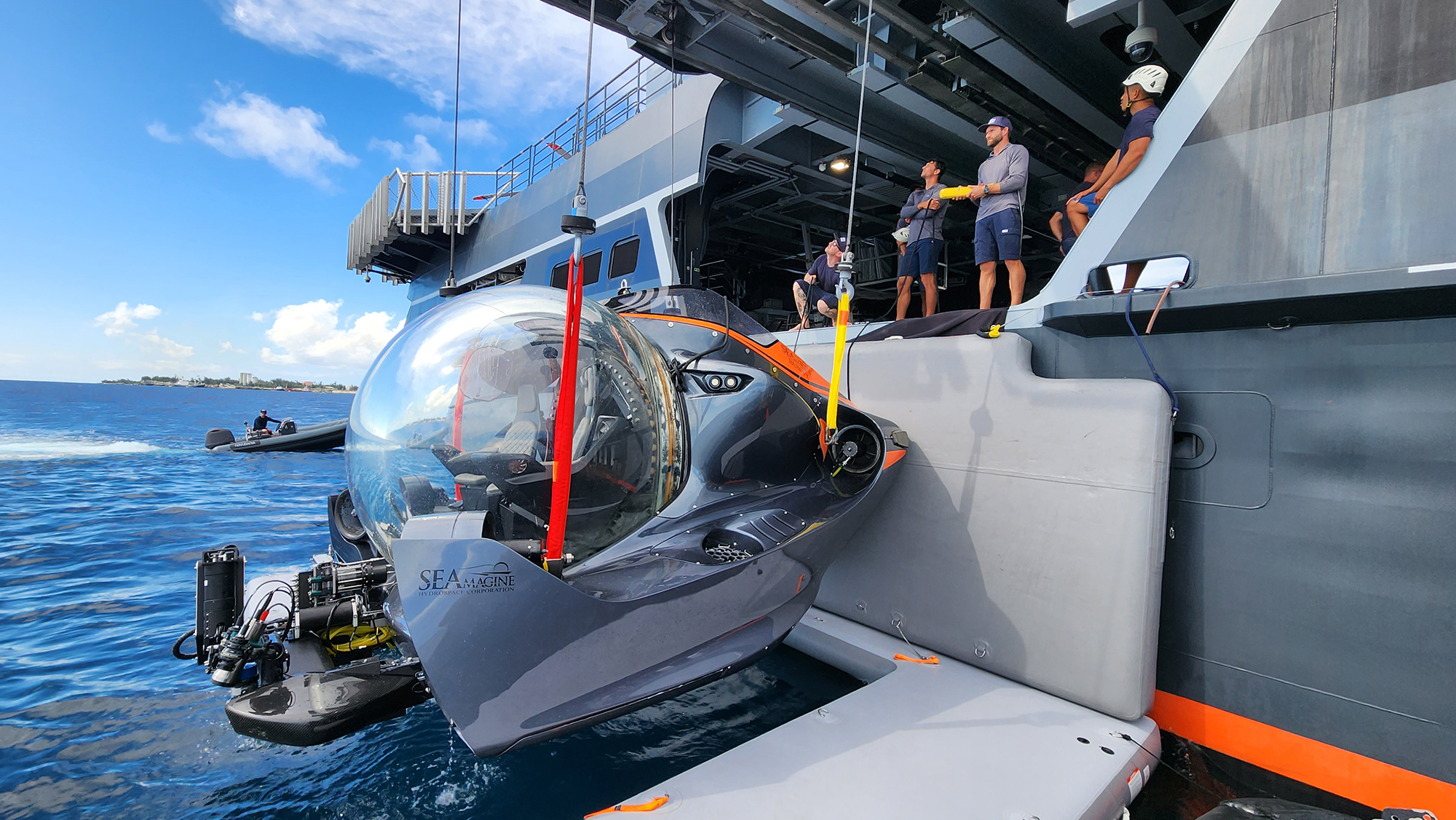
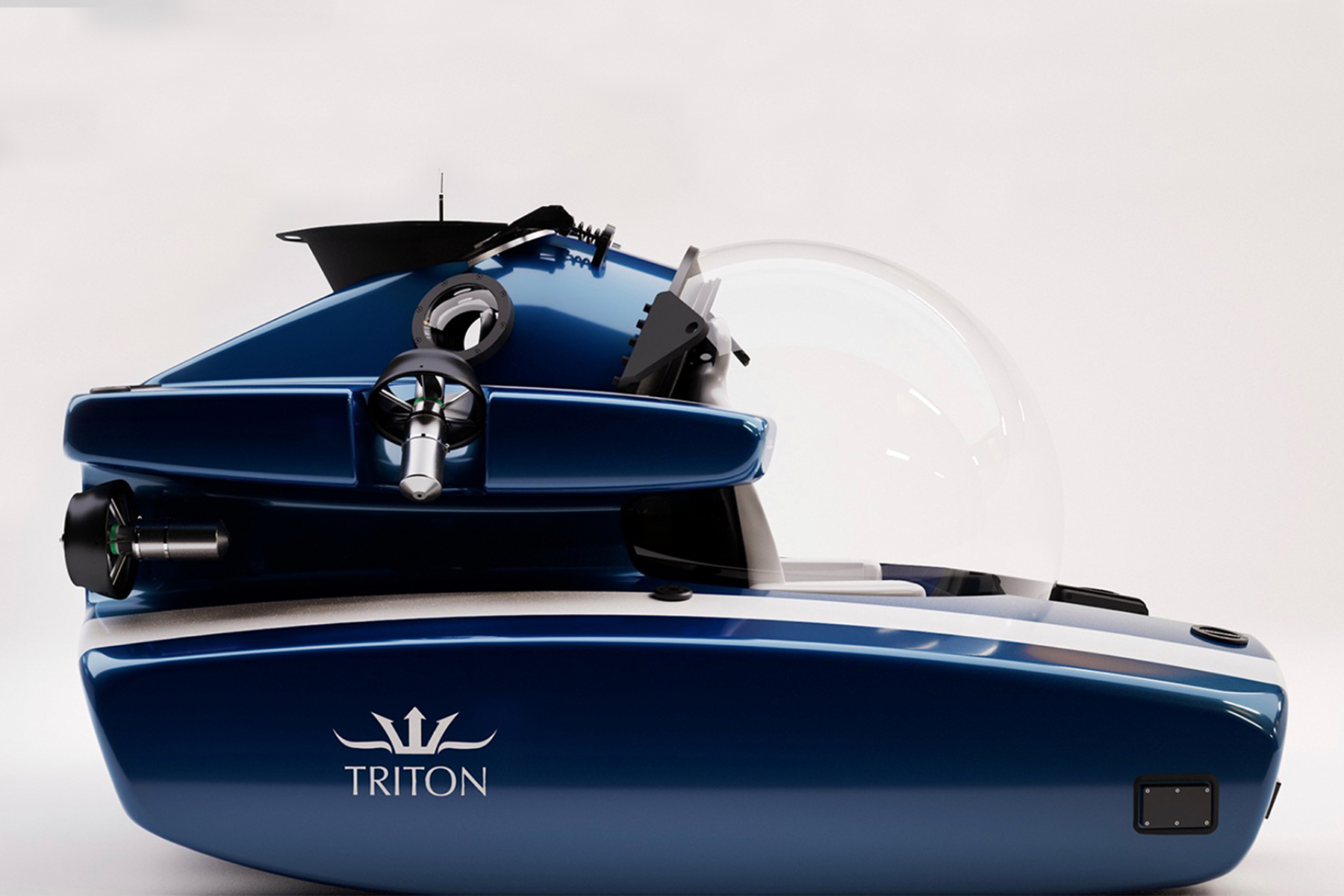
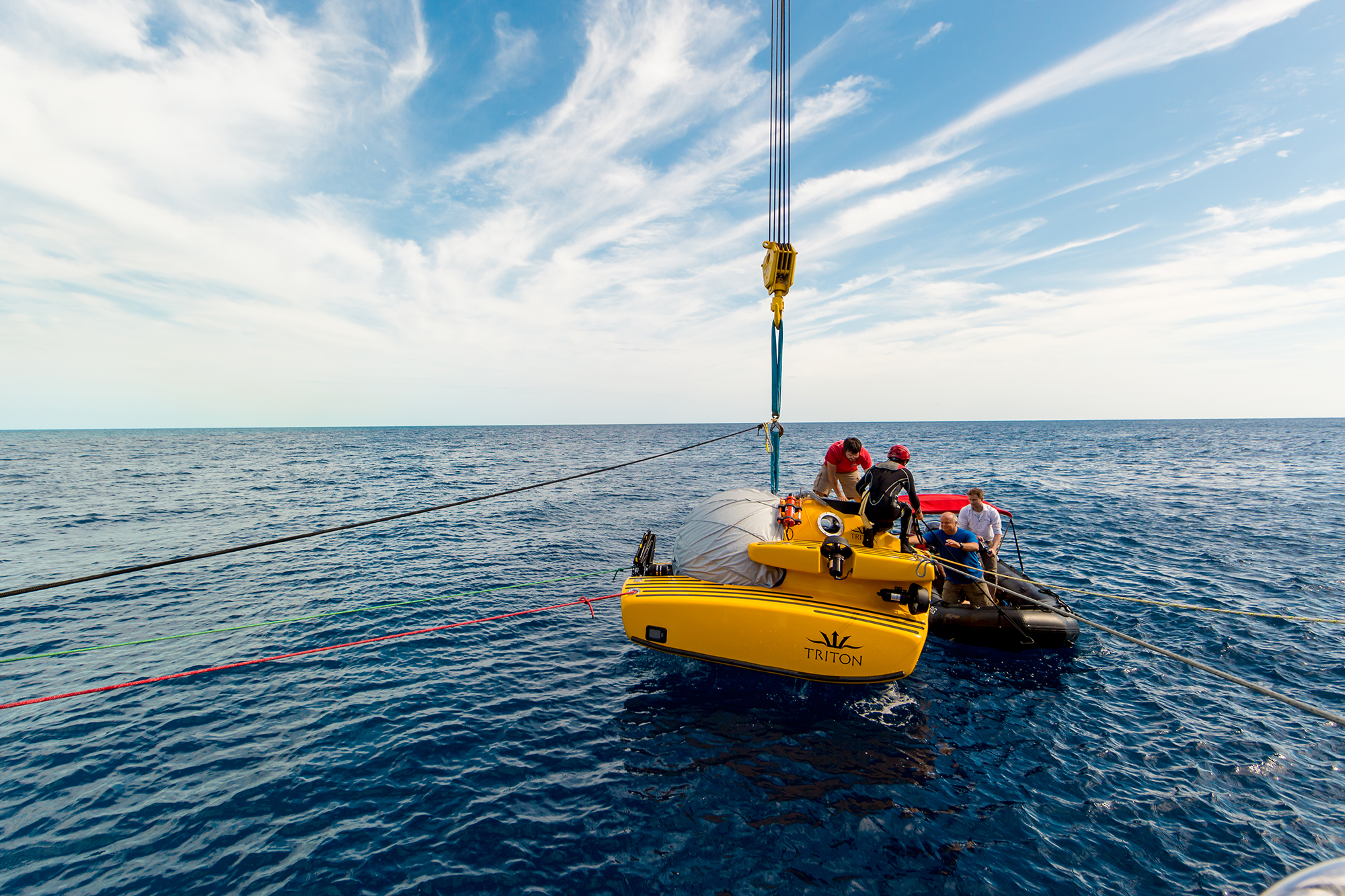
Triton is the quintessential American house, and the reference point for a good part of the world's great yachts. Its range runs from the leisure submersible for cruising a reef to the Triton 36000/2, which the house describes as the only submersible certified for repeatable dives to full ocean depth, nearly eleven thousand meters. That breadth, from the lagoon to the abyss, defines its character: an engineering that takes seriously the idea that there is no bottom you cannot reach with guarantees.
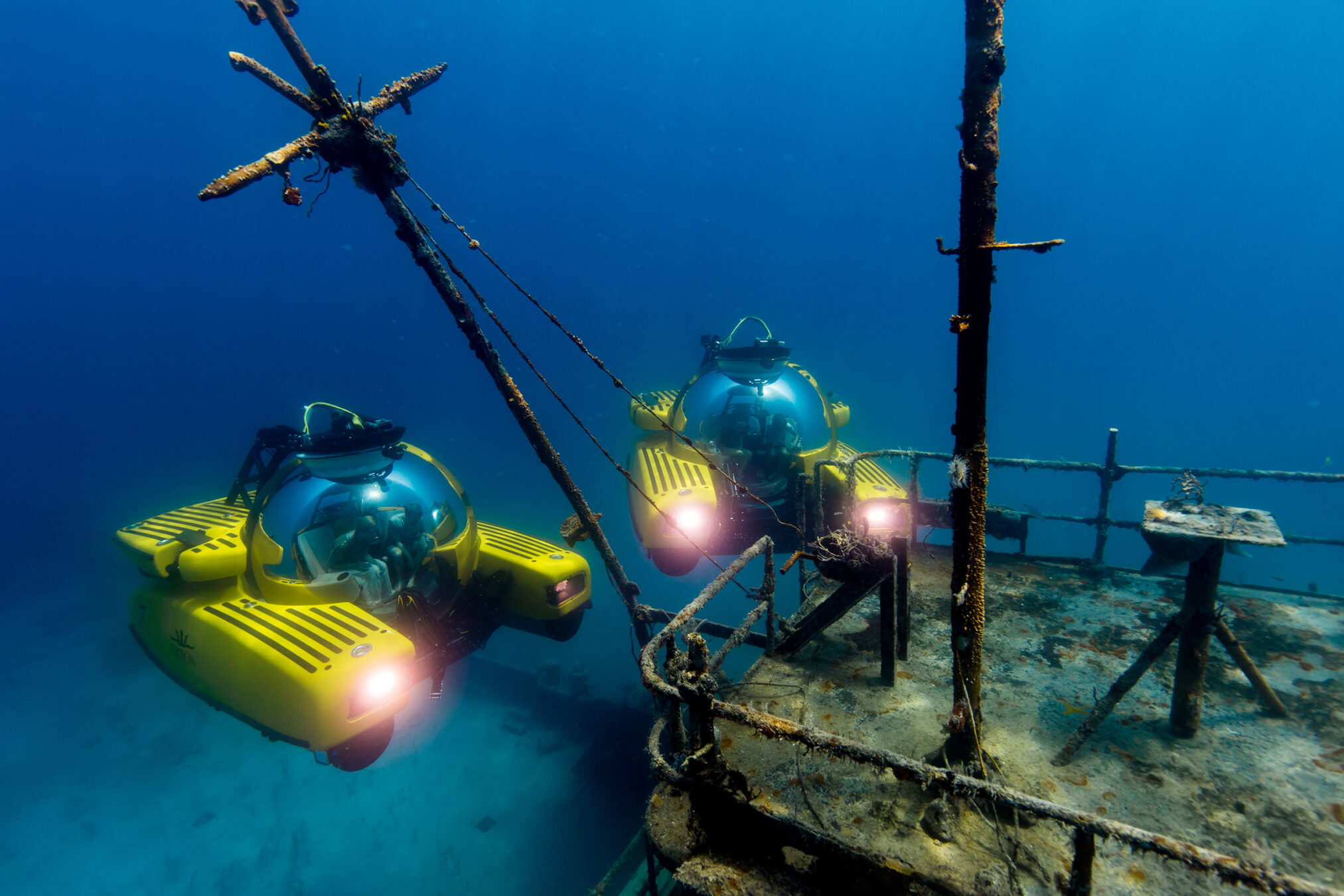
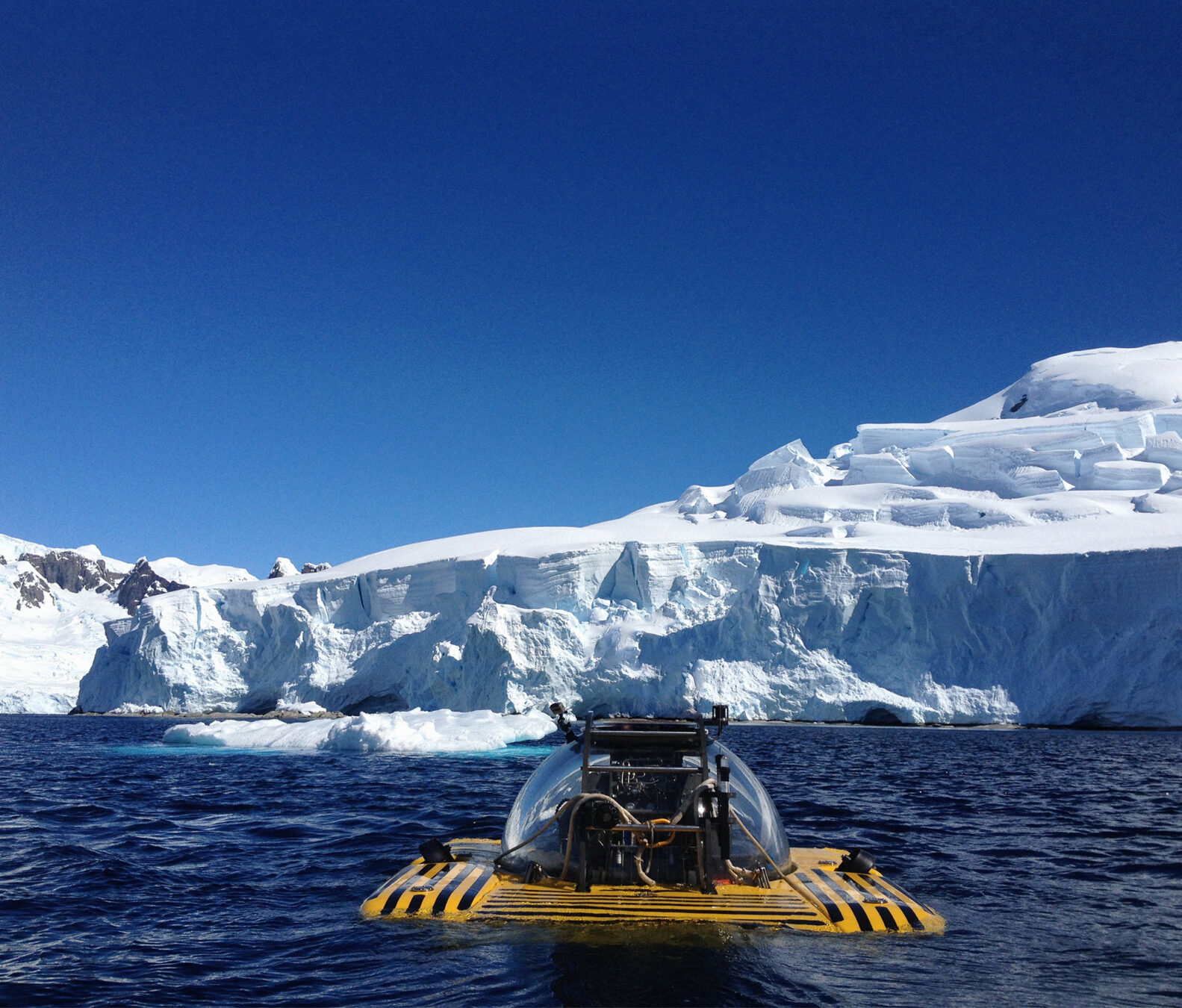
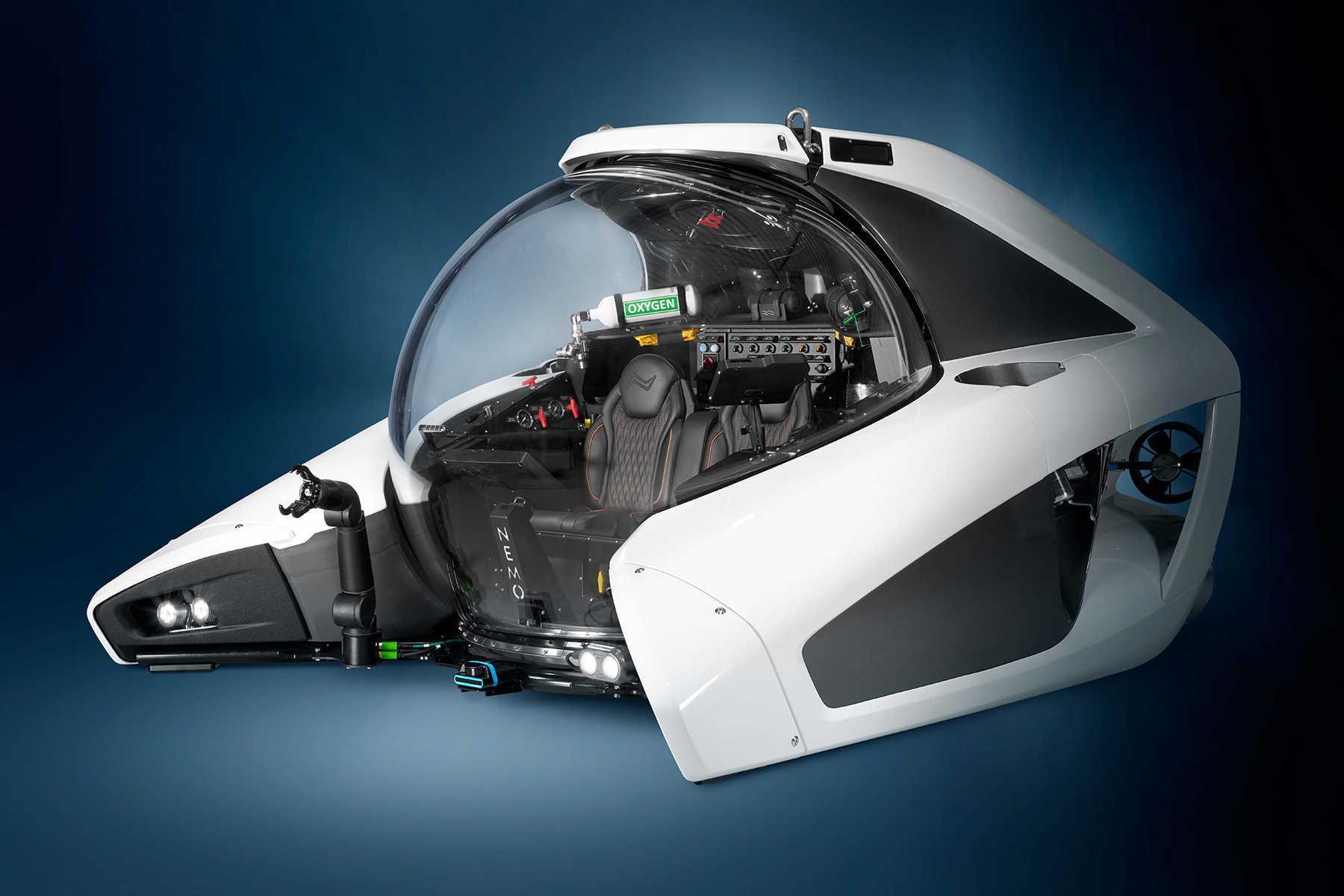
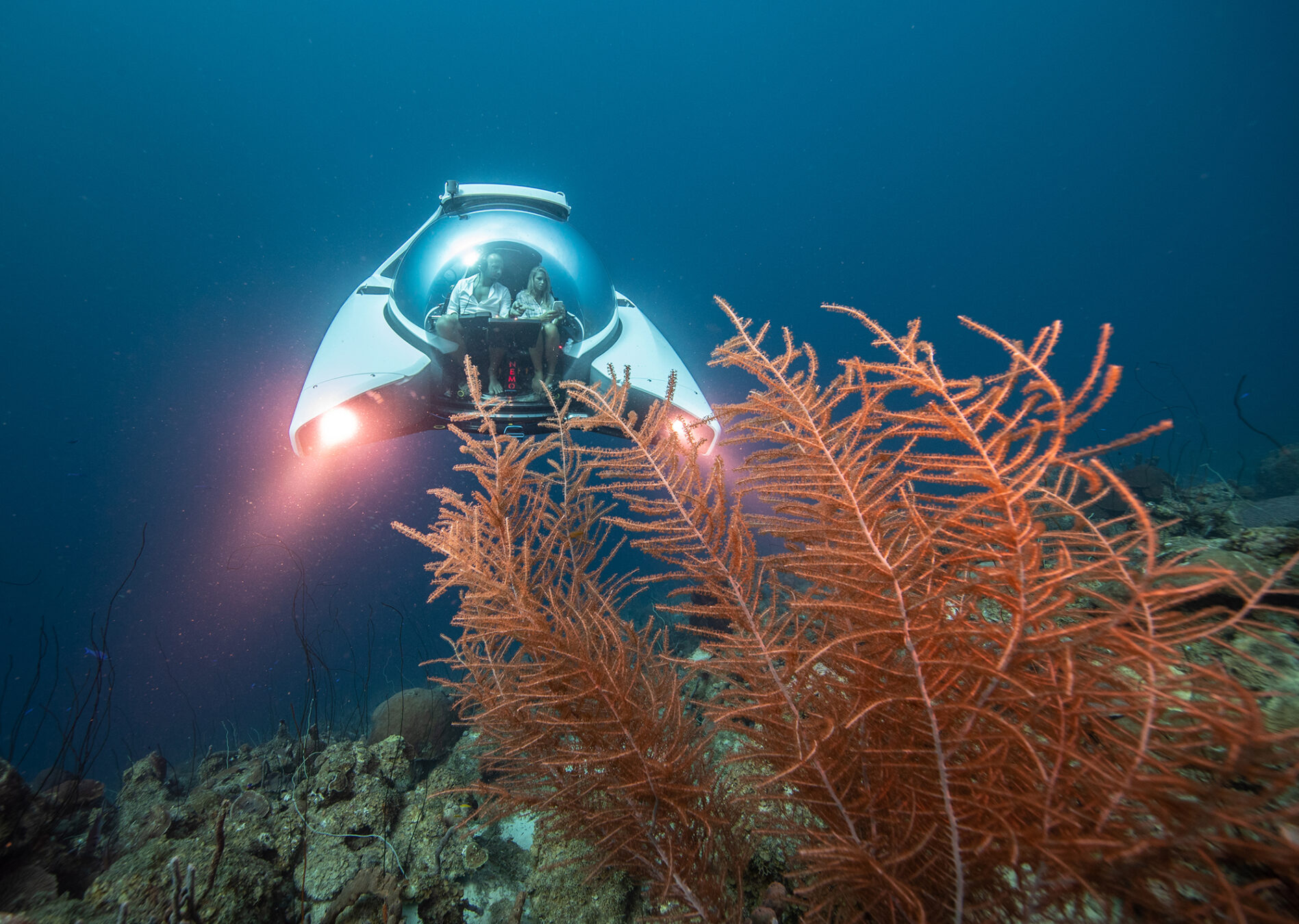
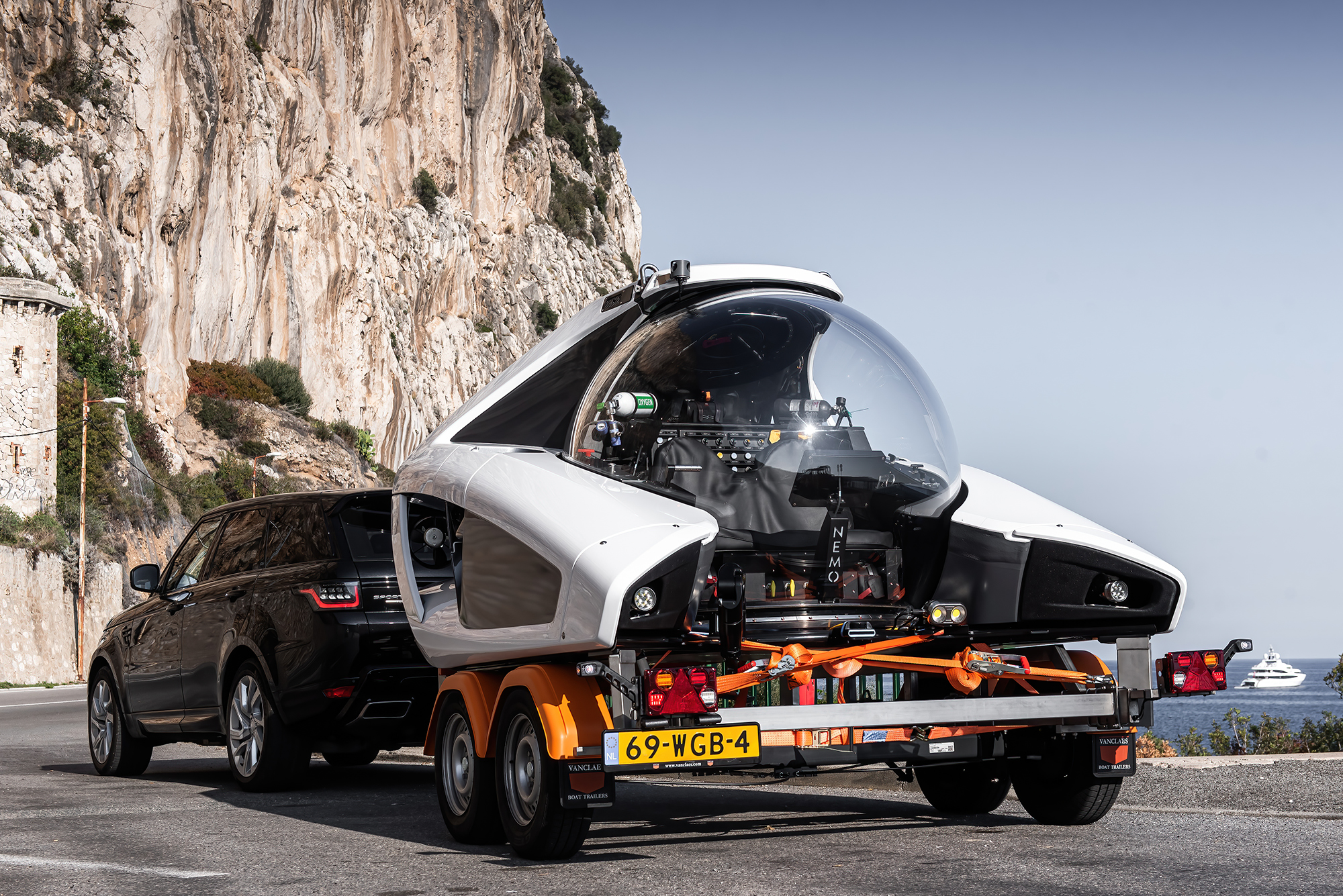
Since 2005, U-Boat Worx has become the most prolific private submersible builder in the world, and, in its own words, the only submersible manufacturer who builds in series. Its catalog, more than twenty models, covers every layer of the ocean: from the NEMO, which the house calls the lightest 2-seat manned submersible ever built, able to travel on almost any yacht, to the Cruise Subs that carry up to nine people beyond seventeen hundred meters. The Dutch order their world by light, the sunlit zone, the twilight and the midnight, according to how far the sun reaches. Each model belongs to one of them.
Before It Touches the Water
We asked the three houses two things: which classification society certifies their models, and at which stages of construction a surveyor is present.
A personal submersible begins to be safe long before its first dive, on a drawing board and under the eye of someone who does not work for the builder. That is what classification is: an independent body studies the design, follows the construction step by step and signs its certificate only when every one of its rules has been satisfied. We would rather let them answer.
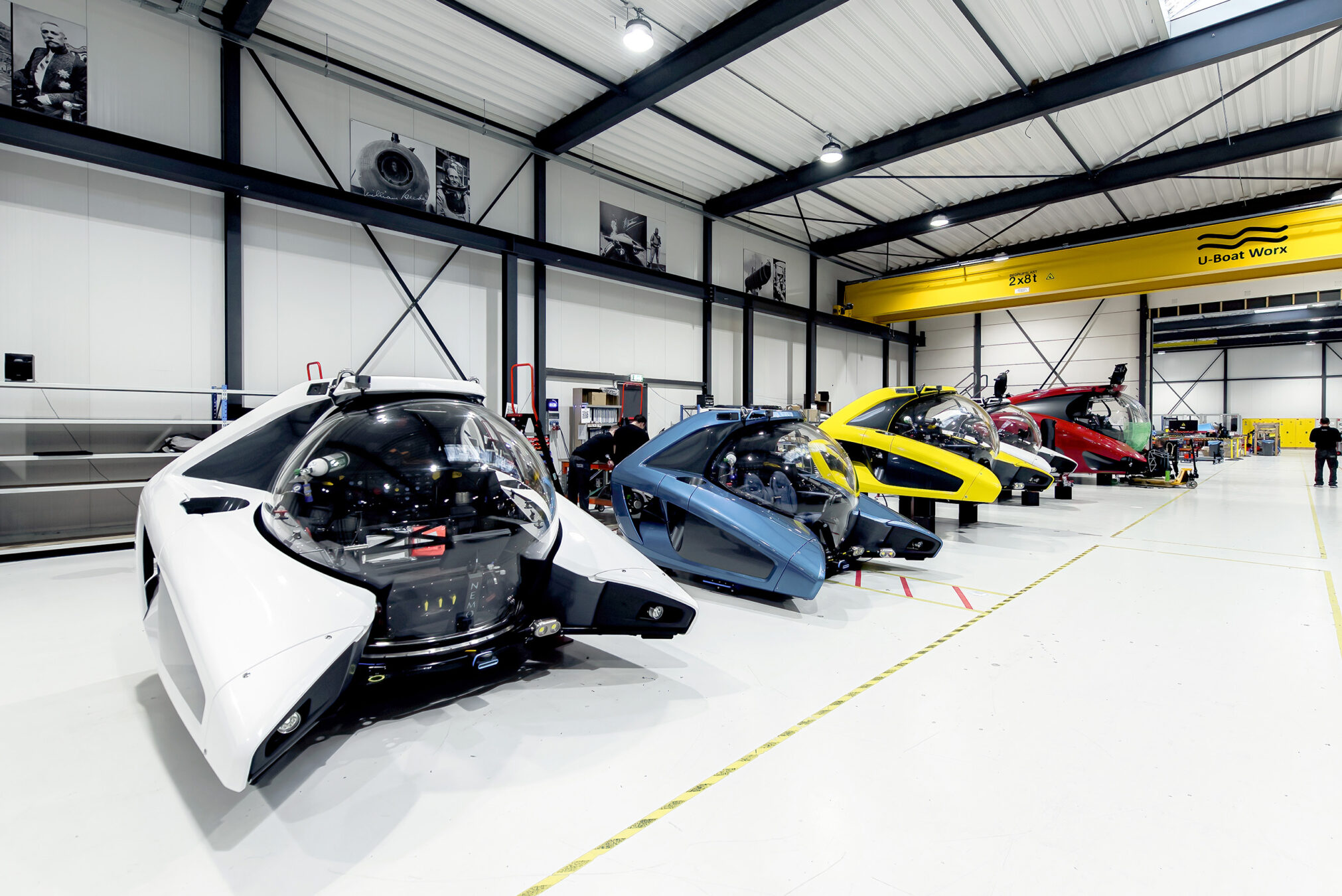
"All manned submersibles in the current U-Boat Worx range are independently certified by DNV." As they describe it, "Physical attendance by a DNV surveyor takes place at defined inspection and hold points established for the individual project," points that "typically include" the "verification and traceability of safety-critical materials and components," the "inspection of pressure-hull components and acrylic pressure boundaries," "functional testing of normal and emergency systems," "factory acceptance tests," "harbour acceptance tests," and "surface and submerged sea trials." And they are clear that the surveyor does not arrive at the end: "The surveyor is not simply presented with a completed submersible at the end of production. Classification is a documented process that follows the vessel from design approval through construction, testing and final delivery."
SEAMAGINE classes with ABS, and its process begins at the drawing board: "The ABS classification process begins well before construction starts. First, the ABS Engineering Department reviews and approves the complete design package," and once approved, "the drawings are stamped by ABS and become the official reference documents for construction." From there, "during construction, an ABS Surveyor is physically present at all critical inspection and testing stages," among them "X-ray inspection of welds." The decisive moment comes with the finished hull: "the hull is subjected to a minimum of two pressure cycles to 125% of its maximum rated design depth," and "the acrylic viewports are also pressure tested and evaluated under ABS survey."
At Triton, "surveyor involvement begins before a single component is built, with drawing and design approval, and continues through the build cycle." The house works "principally DNV or ABS," with "no preference between them," and its surveyor witnesses "pressure hull fabrication and testing (including proof and cyclic testing of the pressure vessel), inspection of penetrators and hatch assemblies, review of life-support and emergency systems." They put it plainly: "It is not a paperwork exercise conducted after the fact; the surveyor is present in person at every significant milestone throughout the process."
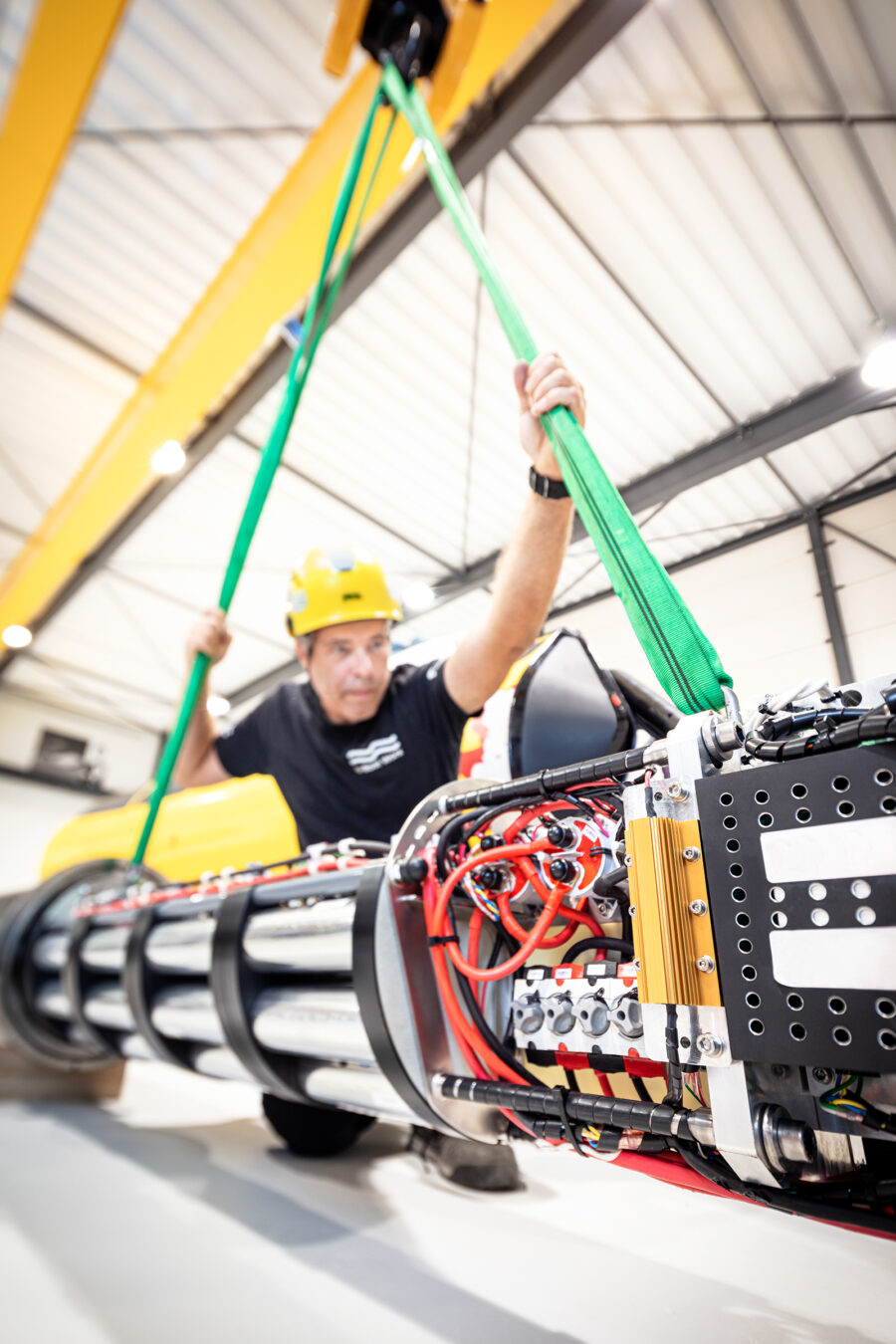
None of this is visible from the window of a submersible. It happens months earlier, in a workshop, with a surveyor looking over the shoulder. It is the invisible work that makes the wonder possible.
Each One, Without Exception
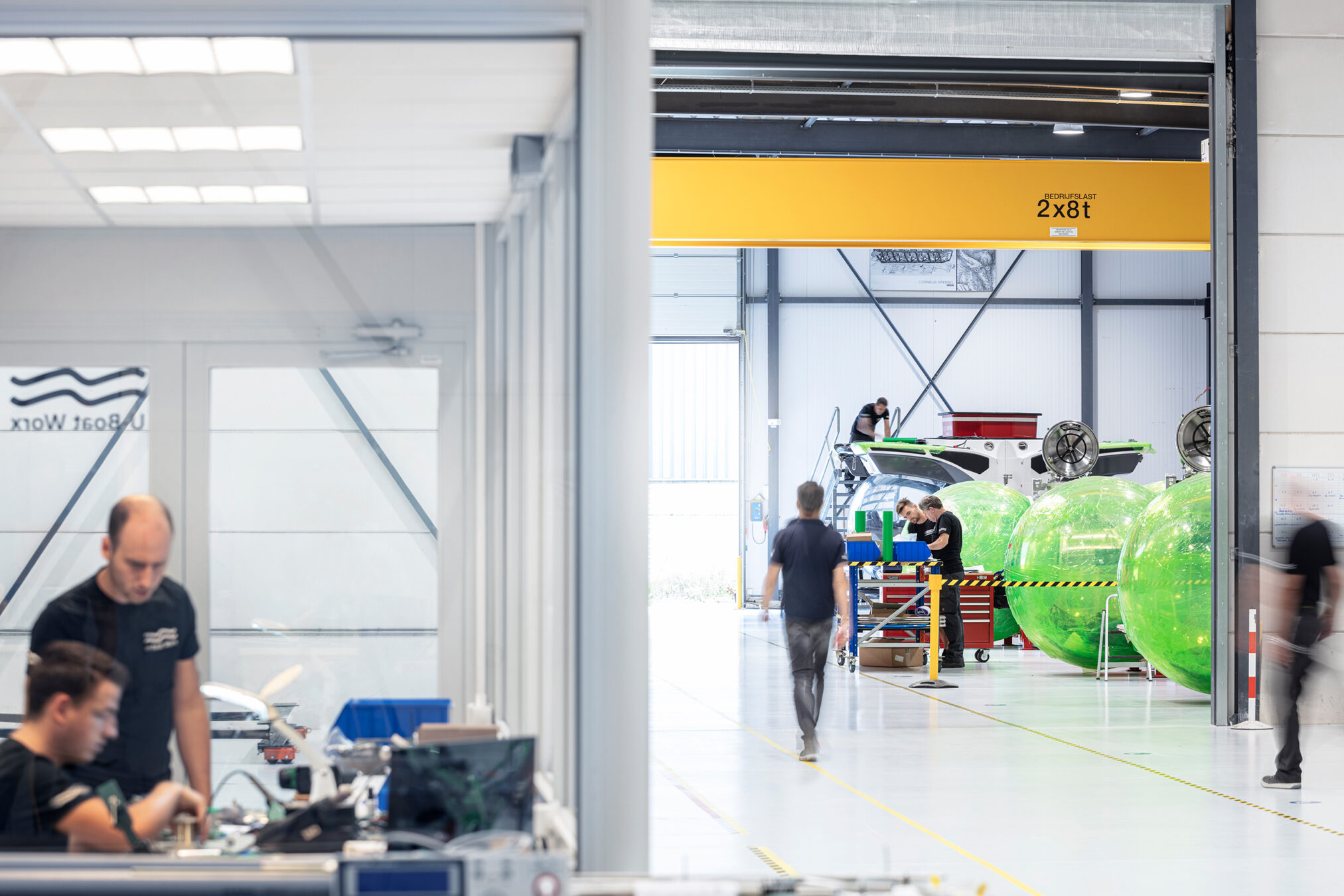
We asked whether certification reaches every unit delivered, without exception. The question hides a distinction worth understanding: approving a model's design once and treating every unit as certified is one thing; verifying each unit, one by one, during its construction is quite another. We put it to all three, and all three point to the second: each submersible is certified individually.
"DNV certification applies to every individual manned submersible delivered by U-Boat Worx, not only to the first vessel of a model or to the general design. Approval of a design does not by itself certify every subsequent unit. Each individual submersible must be constructed, inspected and tested under DNV oversight before its certification can be issued." And they add: "For us, independent classification is not an optional addition selected by the buyer. It is an integral part of the design, production, testing and delivery process."
"Every SEAmagine submersible undergoes the full ABS classification process individually. Unlike products that may rely primarily on type approval and manufacturer quality control, each SEAmagine submersible is independently reviewed, surveyed, tested, and certified by ABS before delivery." And they underline a habit of the house: "Throughout SEAmagine's history, we have required every production submersible to undergo full ABS classification through fabrication and delivery, even when a client did not specifically request it."
"Every Triton submersible we have ever delivered, and every one we will ever deliver, is classed. There is no 'experimental' or unclassed tier in our range, and we do not offer any model that skips this process. If a unit isn't classed, it isn't a Triton." And that certificate is issued for each craft built: the society "witnesses construction, and issues a class certificate only when its own rules have been completely satisfied."
If a unit isn't classed, it isn't a Triton.
A Twenty-Year Relationship
And we asked what checks continue after delivery, and how often.
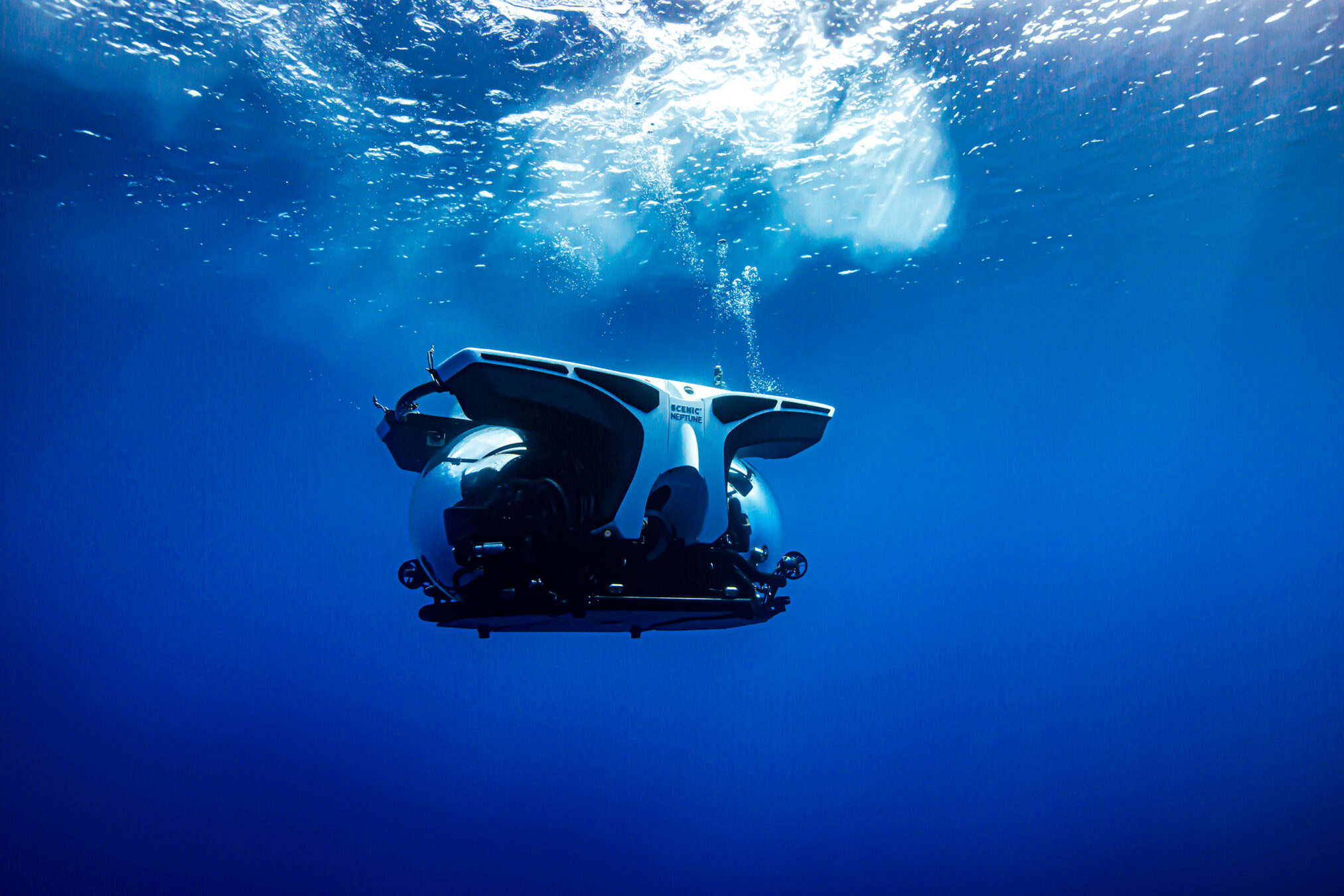
Certification does not end when the submersible comes aboard, either. It is a bond that lasts the whole working life of the craft.
"To retain valid class, each submersible enters a DNV-defined in-service survey programme. This generally includes annual surveys and a more extensive class-renewal survey within the five-year classification cycle."
"Every Triton submersible undergoes annual surveys to maintain class, along with more extensive special periodical surveys." The house adds a note of service: "Triton offers annual maintenance contracts to our clients," and points out that "any modification or repair affecting a classed system must be submitted to the class society for approval." They frame it in a simple idea: "we expect our products to be kept in dive-ready, certified condition, so our customers can use and enjoy them with full confidence, knowing they're safe."
"ABS issues the submersible with an ABS Classification Certificate that is valid for three years." From there, "an Annual Survey must be performed by an ABS Surveyor every 12 months," and at the close of the cycle comes a deeper inspection: "at the end of the three-year period, the submersible must undergo a Special Three-Year Survey," which includes "partial disassembly of the vehicle" and a fresh witnessed dive to maximum depth under ABS survey.
Everyone Looks Ahead
When we asked which recommendation in the Coast Guard report would most affect them if it became binding, the three answers led to the same reassuring conclusion: almost nothing would change for them, because they already work this way.
"For SEAmagine, the report would have very little impact on our engineering or operational practices, as we have followed these principles since the company was founded." The measure that would touch it most, documenting and overseeing every U.S. submersible throughout its operational life, "would not substantially change how SEAmagine designs, builds, or operates its submersibles."
"The recommendation with the most direct operational impact would be the requirement for operators to submit dive plans and emergency-response plans to the relevant Coast Guard authority before conducting operations." The house supports more consistent rules, and sums it up with a line that orders the whole feature: "Clear rules would help buyers distinguish between a submersible that has undergone independent lifecycle verification and one whose safety claims are based solely on assurances from its manufacturer."
For Triton, whose vessels are "already classed and documented to this standard," the recommendation changes nothing. Its concern lies elsewhere: "the real impact will be on rogue operators who use terminology like 'it's a research sub'," an escape route that, they recall, "is how OceanGate duped authorities into allowing them to operate an experimental sub that wasn't fit for human occupation."
What Almost No One Asks
We close with the question we liked best, the same for all three: what a buyer should ask and almost never does. The answers are portraits of each house.
Triton says almost no one asks about certification, because by the time buyers are sitting across from them, they "have researched classification themselves." Even so, they point to what the question should be: "Is this submersible classed, and if so, by which IACS organization?" And for a submersible that already exists: "May I see the certificate?"
U-Boat Worx proposes another: "How has the complete submersible been tested and proven in real-world operating conditions?" Because safety, they argue, does not live at maximum depth alone: "a submersible must function safely not only at its certified maximum depth, but throughout launching, surface navigation, descent, underwater manoeuvring, ascent and recovery."
SEAMAGINE turns the question back to pleasure: "How will I get the maximum benefit and enjoyment for myself, my family, and my guests from owning a submersible?" And they offer an image that stands for the whole feature: "a submersible is not simply another tender carried aboard a yacht," but something "more like organizing a mini-expedition than simply adding another water toy to the yacht." They close with the best question of all: "A buyer should not simply ask, 'Who built my submersible?' They should also ask, 'Who will help me operate it safely for the next twenty years?'"
A submersible is not simply another tender carried aboard a yacht.
The Three Acronyms
A classification society is an independent body that sets technical rules, reviews the design, oversees construction and inspects a ship or a submersible throughout its life, and issues the certificate confirming it meets those rules.
ABS · American Bureau of Shipping
A United States classification society, founded in 1862 and one of the oldest and most respected in the world. A member of IACS. It is the society that classes SEAMAGINE's submersibles.
DNV
A classification society of Norwegian origin, founded in 1864 and long known as Det Norske Veritas. Present in more than one hundred countries and among the leading societies in the field. A member of IACS. It is the society that classes U-Boat Worx's submersibles.
IACS · International Association of Classification Societies
The association that brings together the world's twelve leading classification societies, among them ABS, DNV and Lloyd's Register, and coordinates common safety standards. When Triton suggests asking which IACS organization a submersible is classed by, this is precisely the group of top-tier bodies it means.
Triton, it is worth remembering, works with both DNV and ABS.
Choosing a personal submersible is like choosing any great object of pleasure: decided with the head and enjoyed with wonder. The difference is that here the head has a name, certification, and a quiet virtue: it is what allows the wonder to be complete. To descend into a world almost no one sees, and to return certain that everything was accounted for, is a safer experience today than ever before. That, in the end, is the true luxury.