



Florida,
the Winter Catch
Mild weather, sunny skies and a wide range of saltwater species make Florida one of the most rewarding places to fish in winter, provided you know what to target, which bait to use and where to look.
While much of the country puts its boats away for the season, Florida keeps fishing. Winter here is not a pause but a different season, with its own species and its own rhythm.
Before the first cast, one rule matters more than any technique. According to the Florida Fish and Wildlife Conservation Commission (FWC), a license is required to attempt to take fish in Florida waters, and that includes catch-and-release: if you cast a line, you need a license. There are exceptions, so it is worth checking whether yours applies.
The same goes for size limits, bag limits and closed seasons, which vary by species. The FWC publishes them on its saltwater recreational regulations page, and the quick chart linked at the end of this article summarizes them species by species.
With that settled, these are some of the saltwater species that make a winter trip to Florida worth planning.
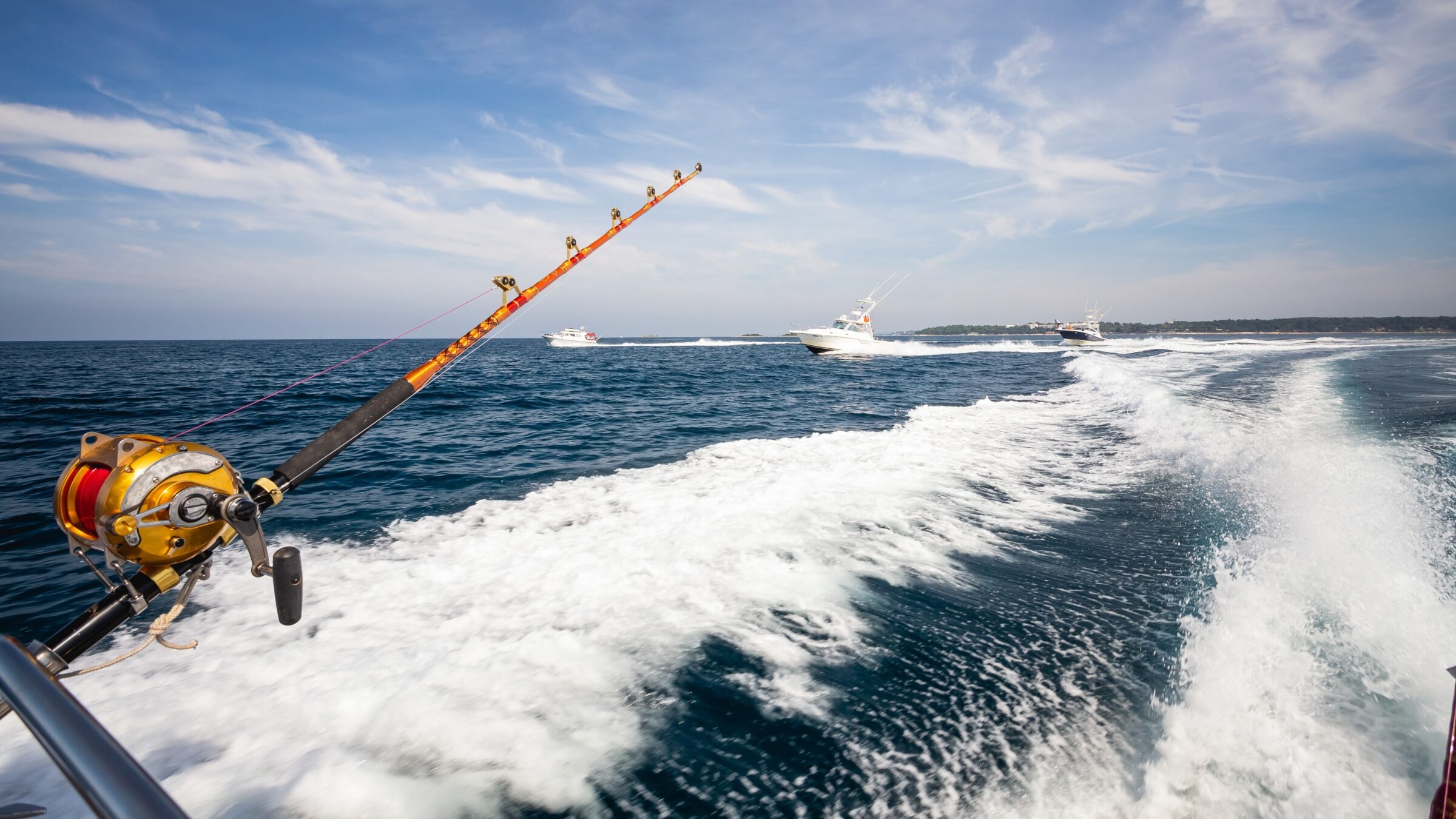
Florida winter fishing starts offshore
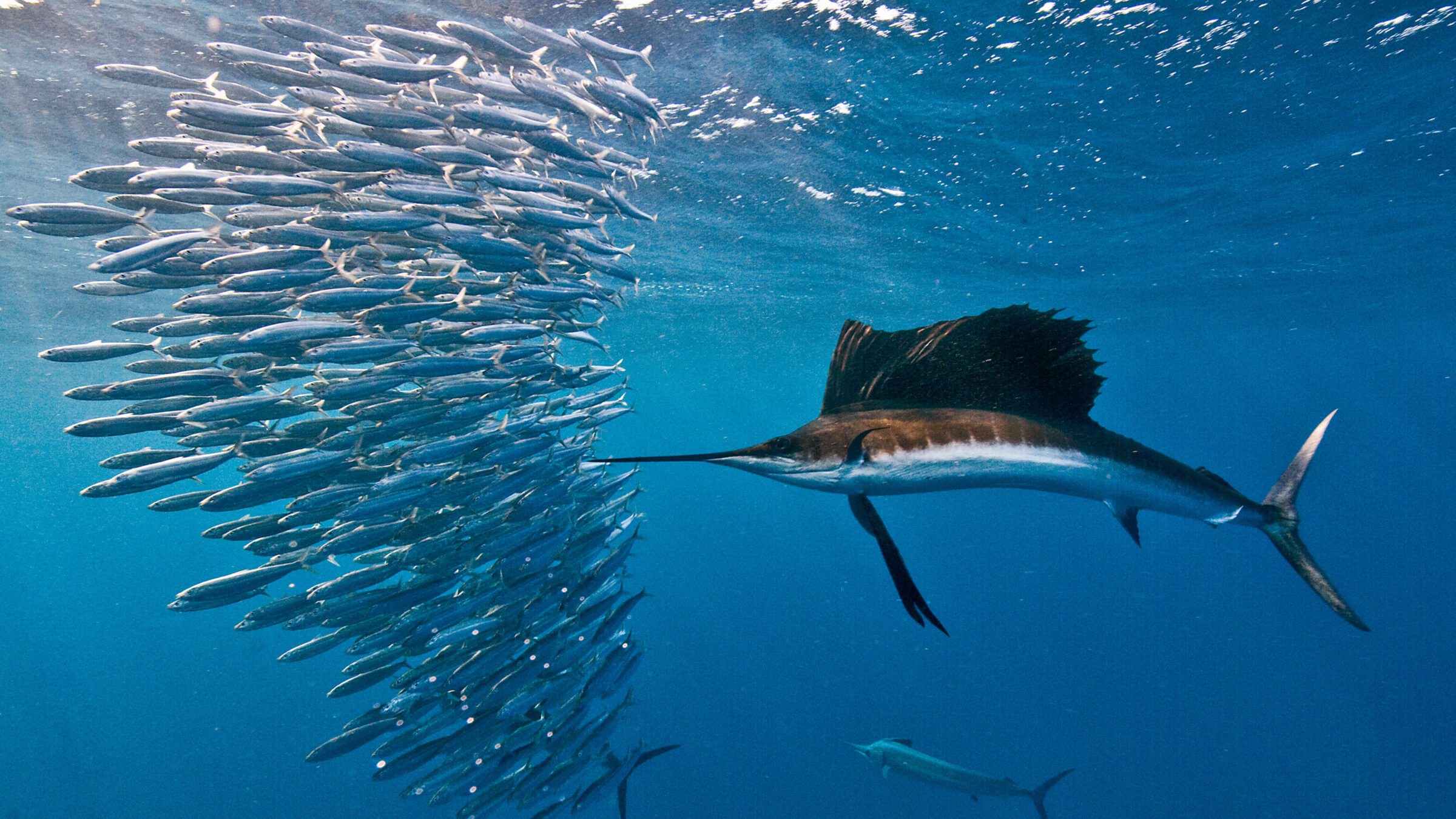
The sailfish is one of the most sought-after fish in Florida waters, and its appearance explains part of the appeal: a dark blue back, brownish-blue sides fading to a silvery-white belly, an upper jaw drawn out into a spear and a huge dorsal fin, marked with black spots, that rises like a sail. It can reach 11 feet; the Florida state record stands at 126 pounds.
Sailfish live in offshore waters and feed aggressively on small fish and squid. The FWC lists blue runners, pinfish, mullet, scads, ballyhoo and squid among the baits that work.
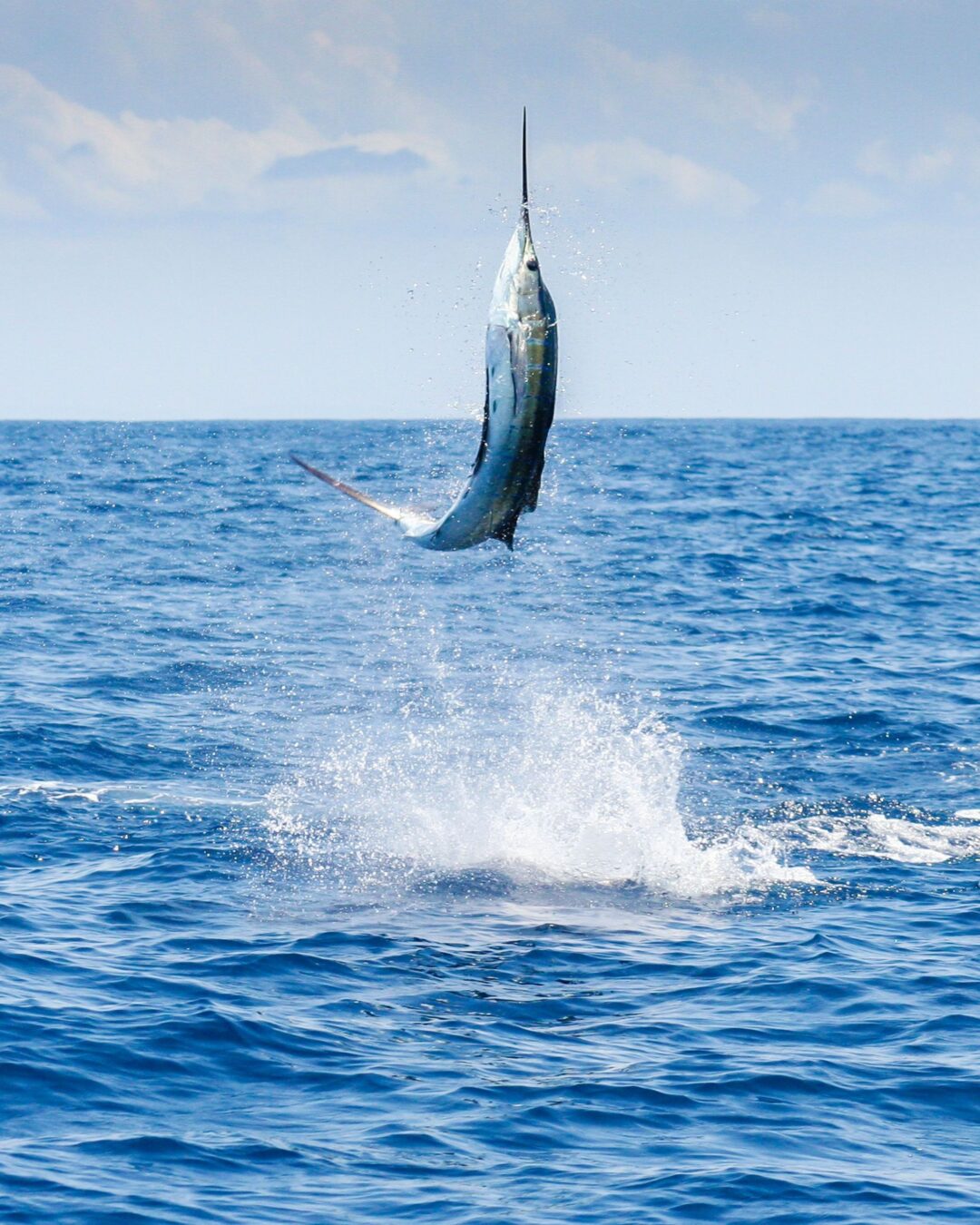
Speed, jumps and a careful release
The reputation is earned in the fight: fast runs, acrobatic jumps and head-shaking attempts to throw the hook. Pace yourself; this is a fish that tests stamina as much as tackle.
It also tires easily. The FWC recommends reviving a sailfish after a long fight before letting it go, so that it swims away strong.
In Florida, winter is not the end of the season. It is a different season.
USA Onboard EditorialThree species for the cooler months
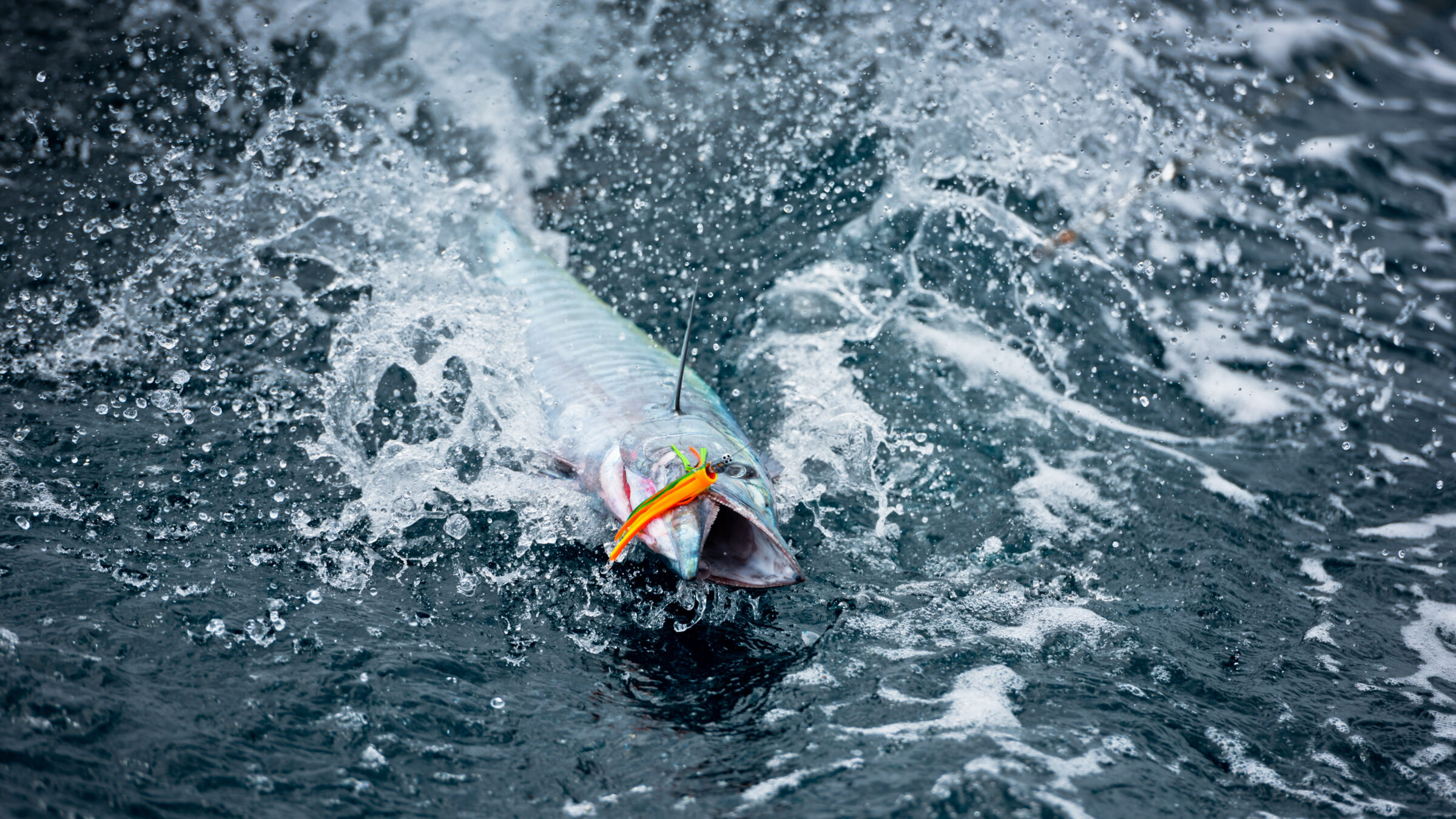
Recognizable by the vertical black bars on its pale body and by its prominent teeth, the sheepshead lives near oyster bars, seawalls and tidal creeks, and moves nearshore in late winter and early spring to spawn. Fish live shrimp, sand fleas or fiddler crabs on a small hook near the bottom.
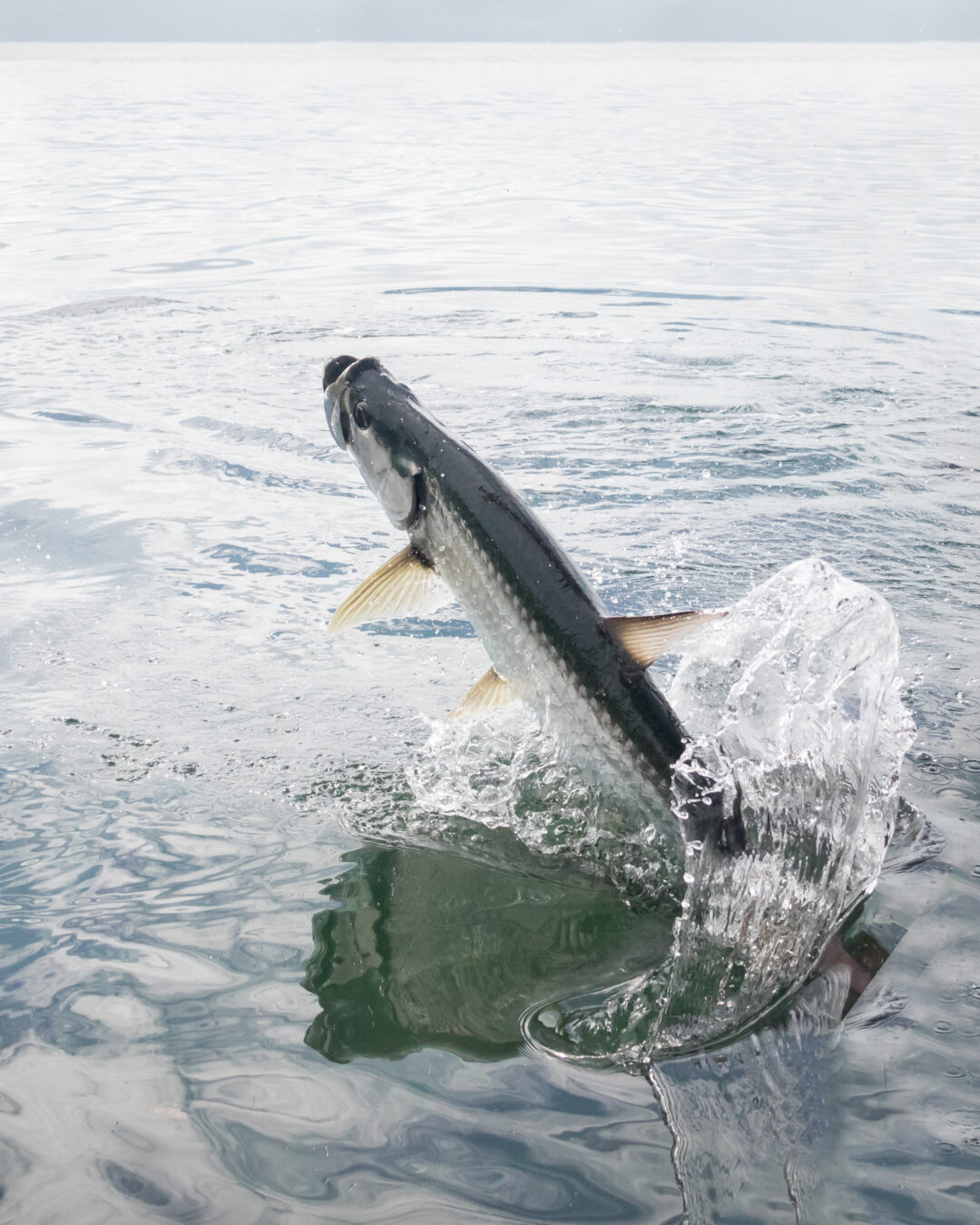
Dark gray or green above and silver below, with black spots across the back and a pair of large canine teeth. In colder months it moves into deeper, still waters. Free-line live shrimp or small pinfish near the bottom, or cast soft-bodied jigs. Handle it gently: it is a delicate fish.
The red drum, copper-bronze with one or more dark spots at the base of the tail, spends winter over seagrass, mud or sand bottoms, near oyster bars and spring-fed creeks. Juveniles stay inshore until they reach about 30 inches, around four years of age.
Pompano and black drum
The Florida pompano, greenish-gray on the back with silver sides, works sandy beaches, oyster bars and seagrass beds. Water temperature drives its seasonal movements and the tide its daily ones, and sand fleas are its favorite food.
The black drum is a bottom fish of bays, river mouths and lagoons, found around oyster beds, docks and bridge pilings. Young fish carry four to six dark vertical bars that fade with age. It eats oysters, mussels, crabs and shrimp, and can grow to 67 inches.
What can you catch in Florida in winter?
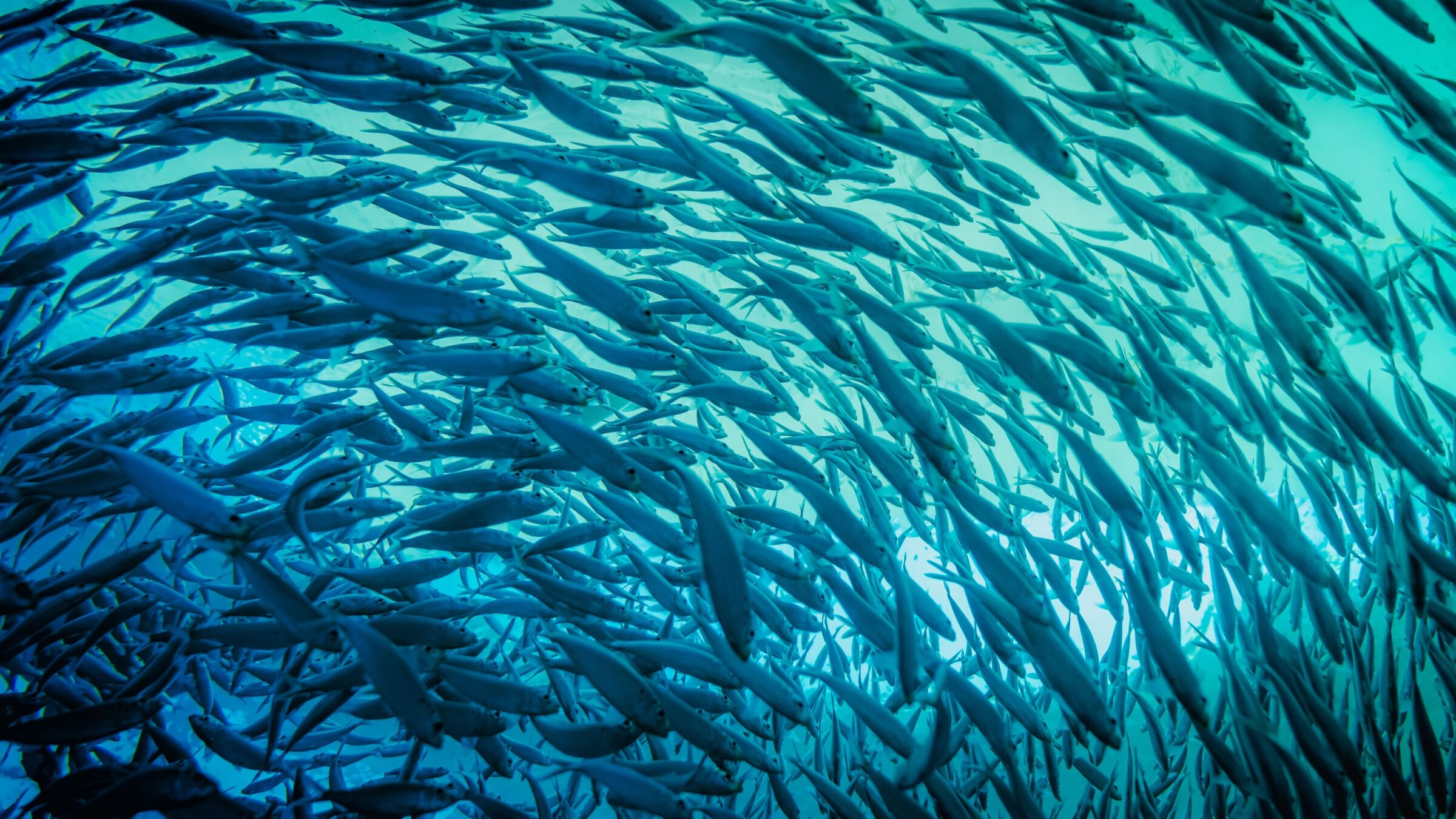
The answer depends on where you fish. Offshore, the sailfish is the headline species. Inshore, the cooler months bring sheepshead toward the coast to spawn, push seatrout into deeper, still water and keep redfish over the grass flats and oyster bars. Along the beaches and in the bays, pompano and black drum round out the list.
Whatever the target, the same habits pay off: follow the tide, look for structure and match the bait to what each species eats.
A season worth the trip
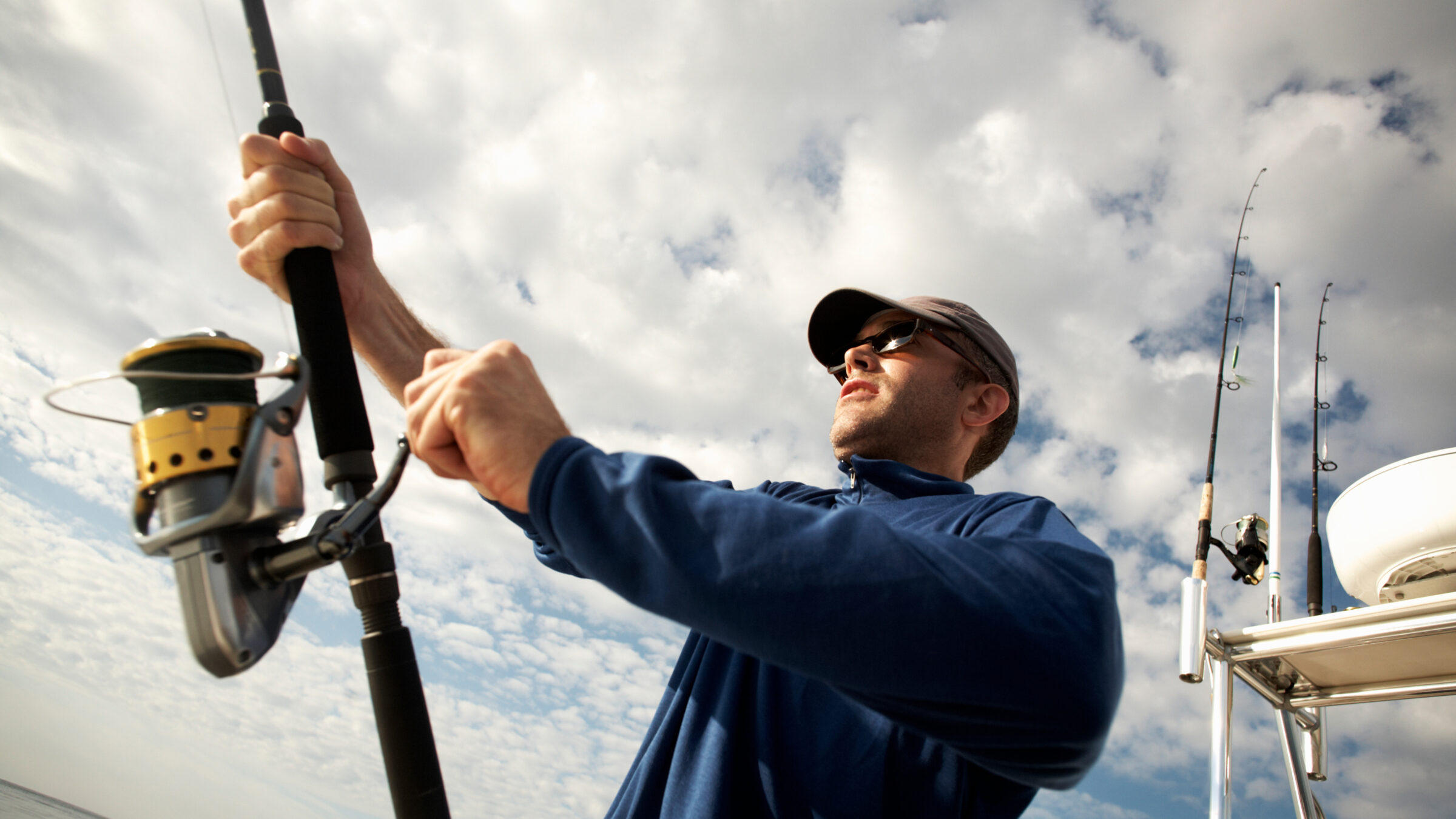
Winter in Florida offers something rare: warm days on the water when most anglers elsewhere are waiting for spring. With a license in your pocket, the rules checked and a target species in mind, it can be one of the most productive trips of the year.
Warm water in the cold months, a sailfish offshore and redfish on the flats: Florida keeps fishing when the rest of the country stops.